Latest News as of 19th of August 2024:
News: The
MUSEUM FÜR FLUGZEUGBAU UND TECHNISCHE GESCHICHTE (MFtG) - WÄSCHENBEUREN
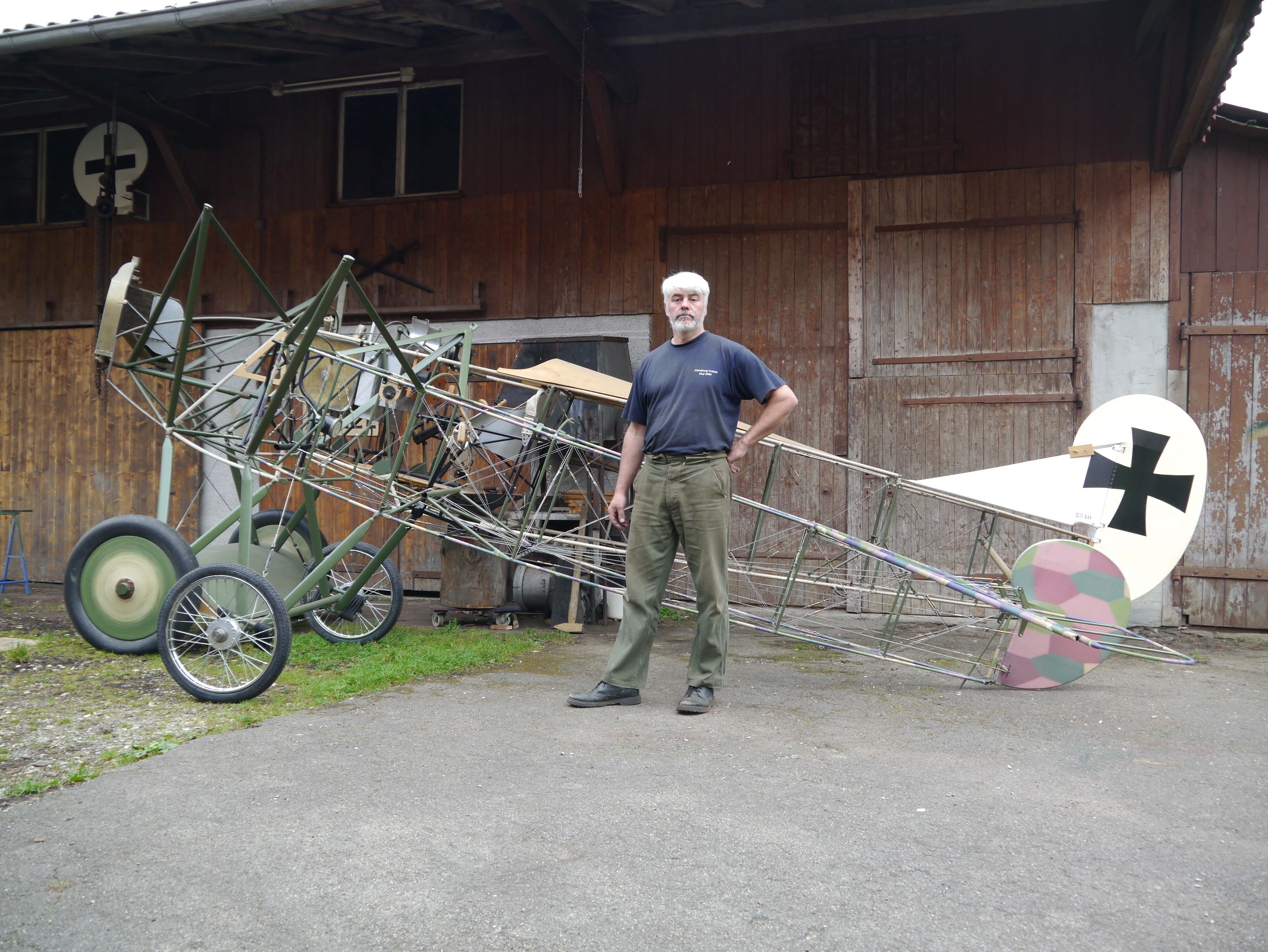
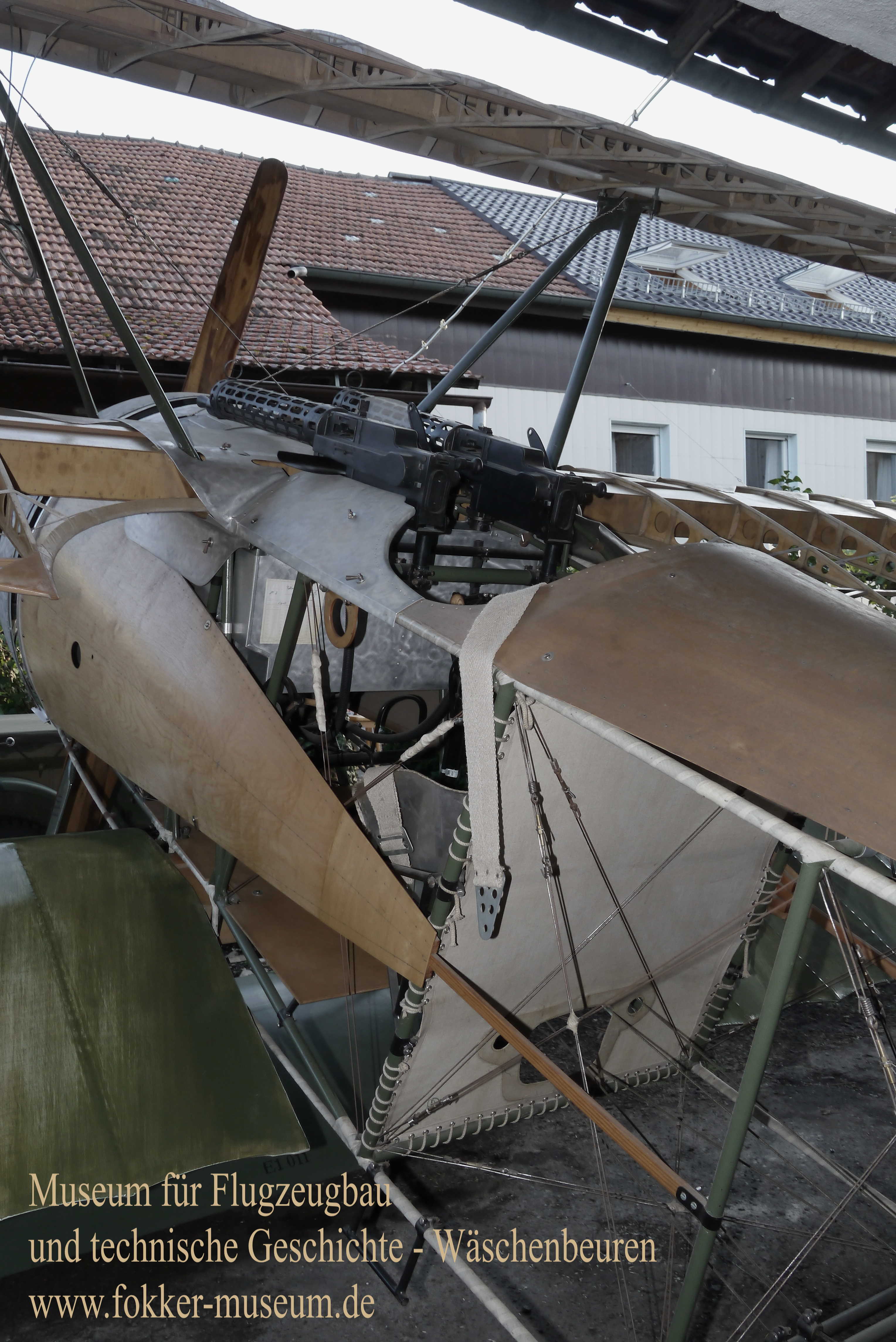
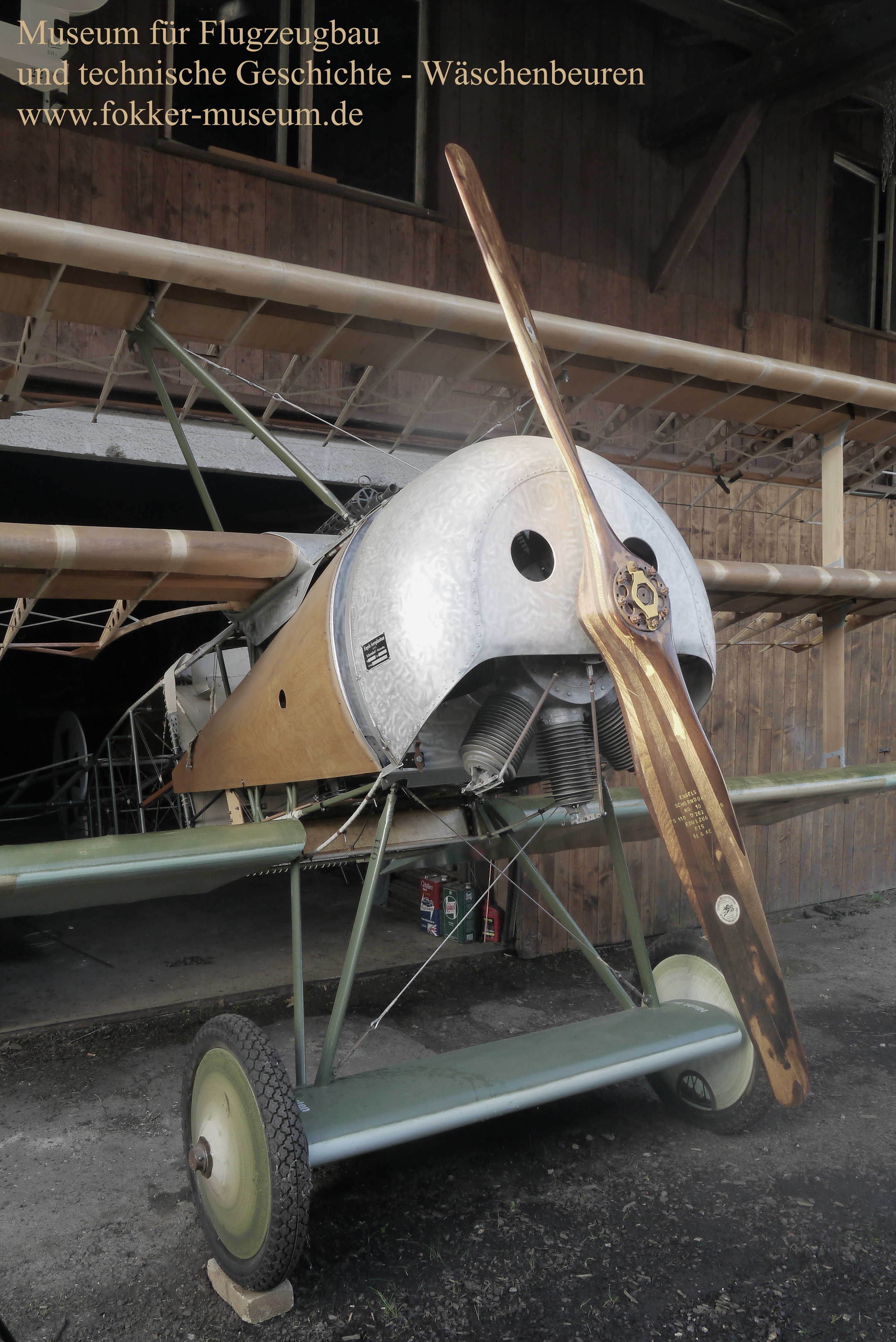
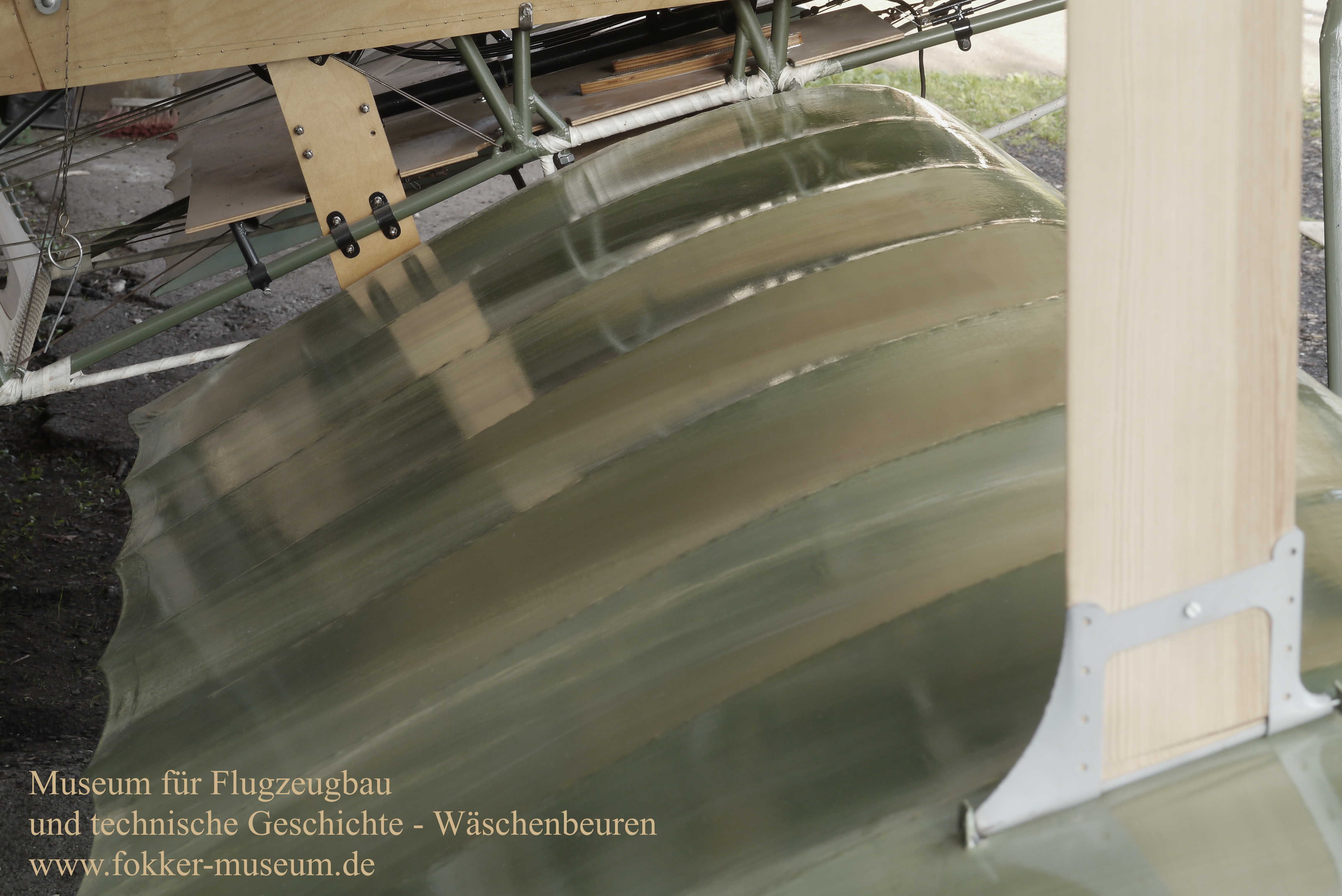
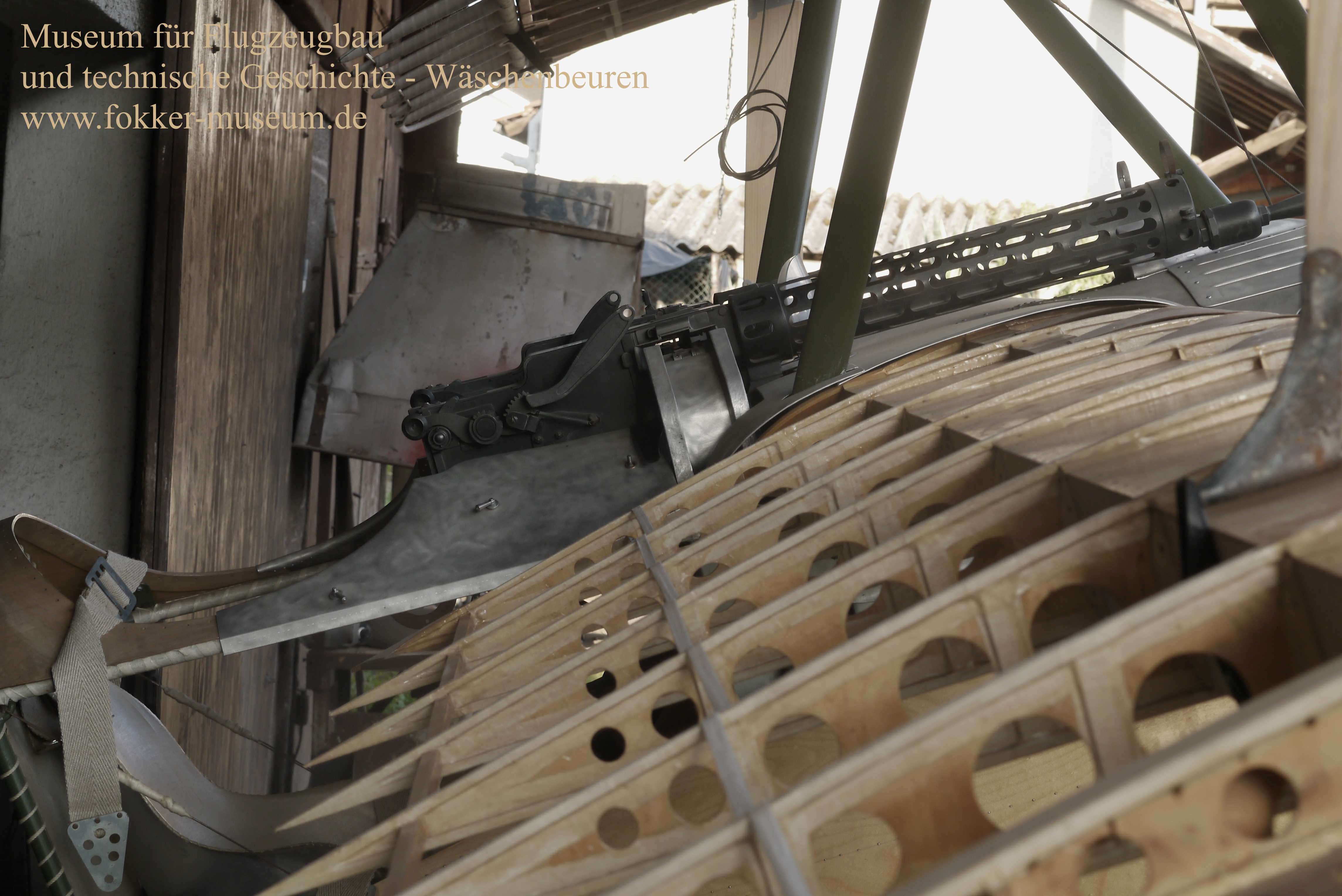
today shows the latest progress on our reproduction project of the Fokker V.40 post WWI light sports aircraft.
We changed the construction supervisor, CAA Expert and allocated project number remains the same.
Fuselage, undercarriage, epennage have already been checked and certified by the former construction supervisor and the project has been handed
down to the new one smoothly. The project has come a long way already.
Since we are building two aircraft of which one is going to be certified in the aerobatics class, the certification and approval process
slows down the progress of the second aircraft noticeably.
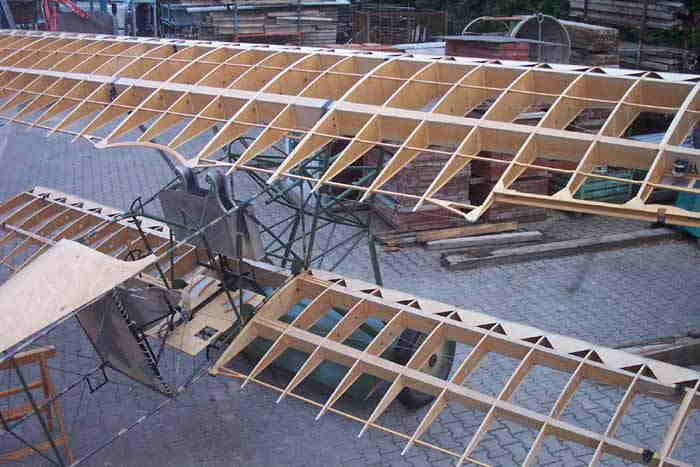
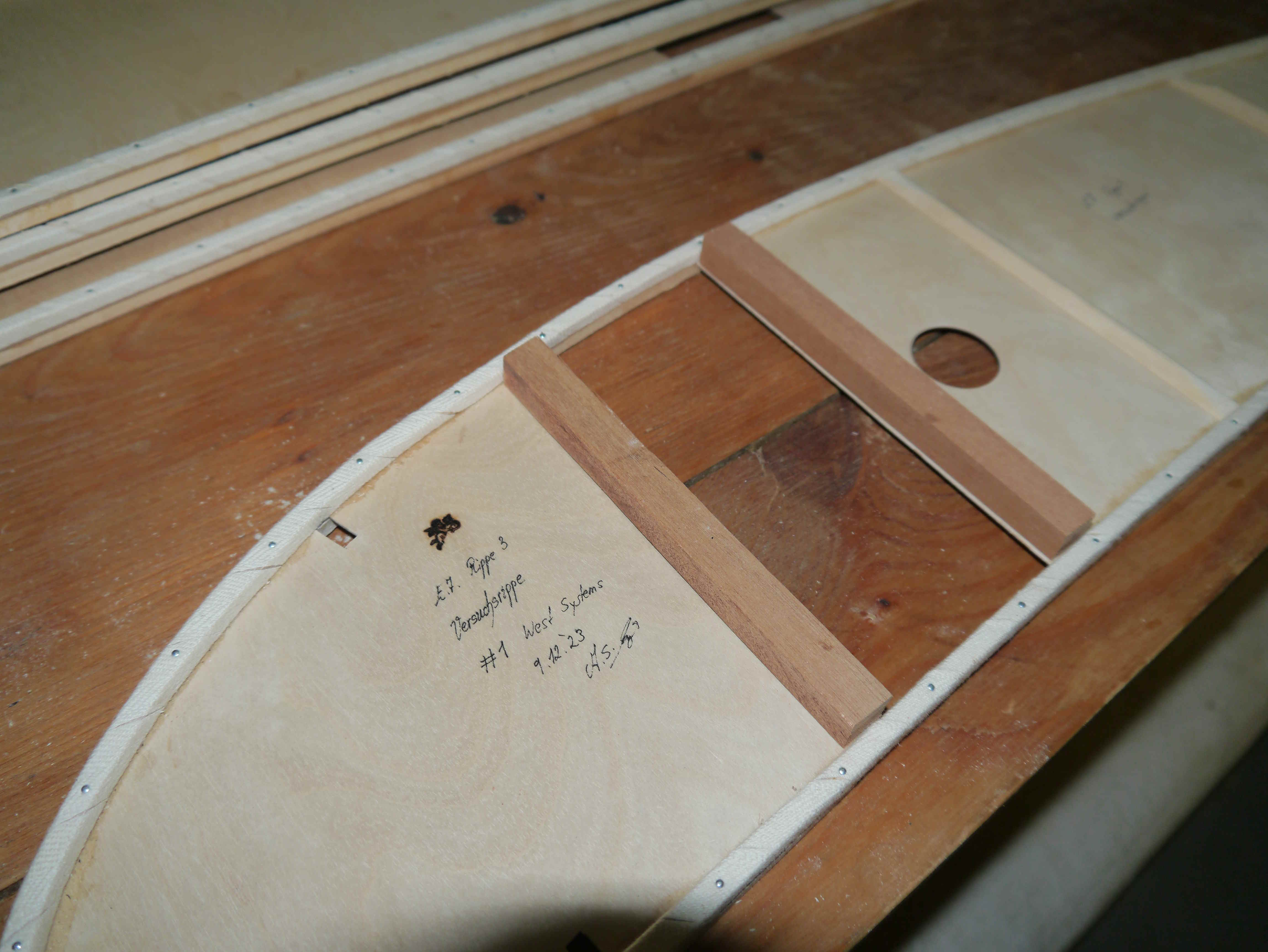
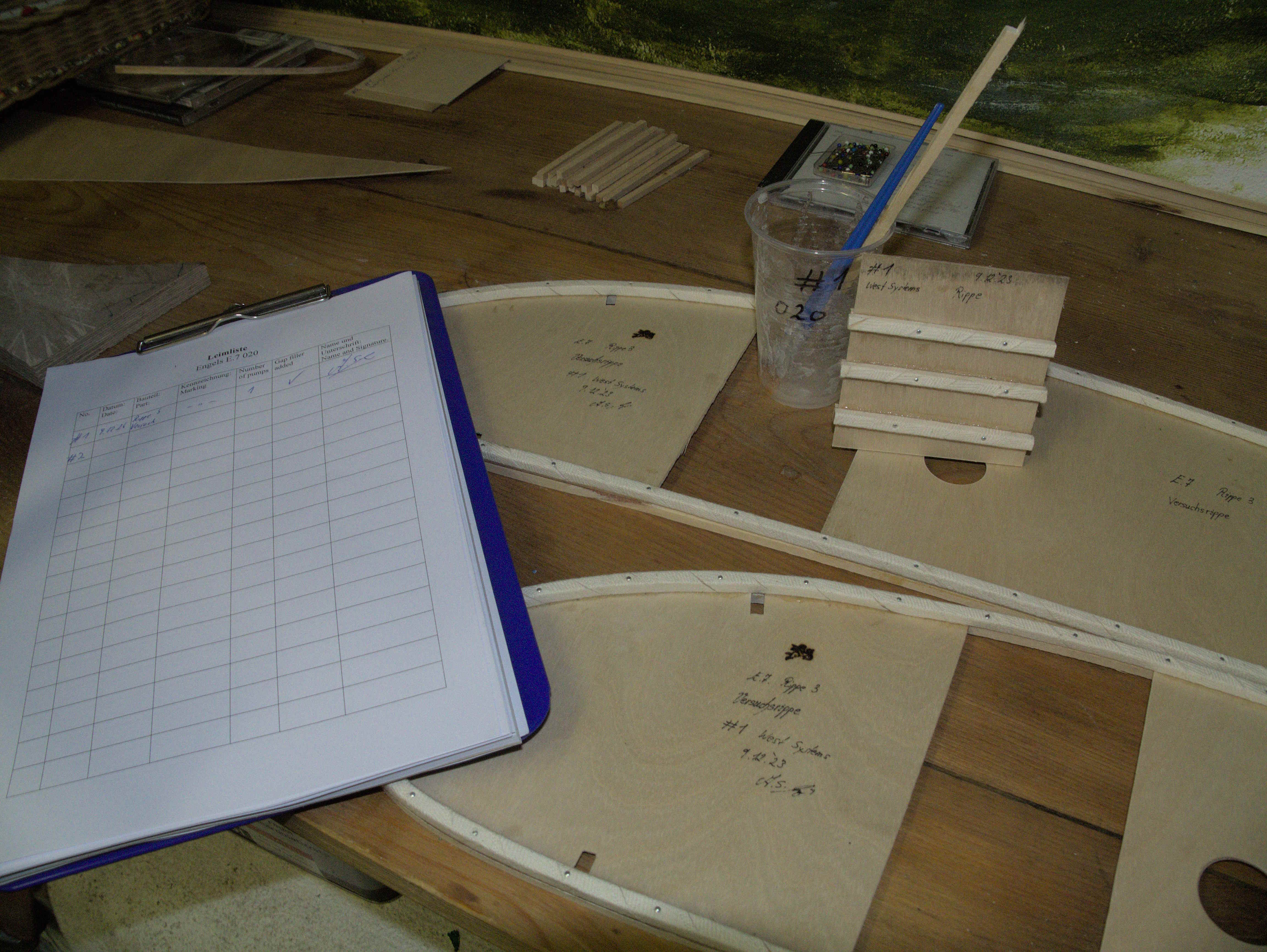
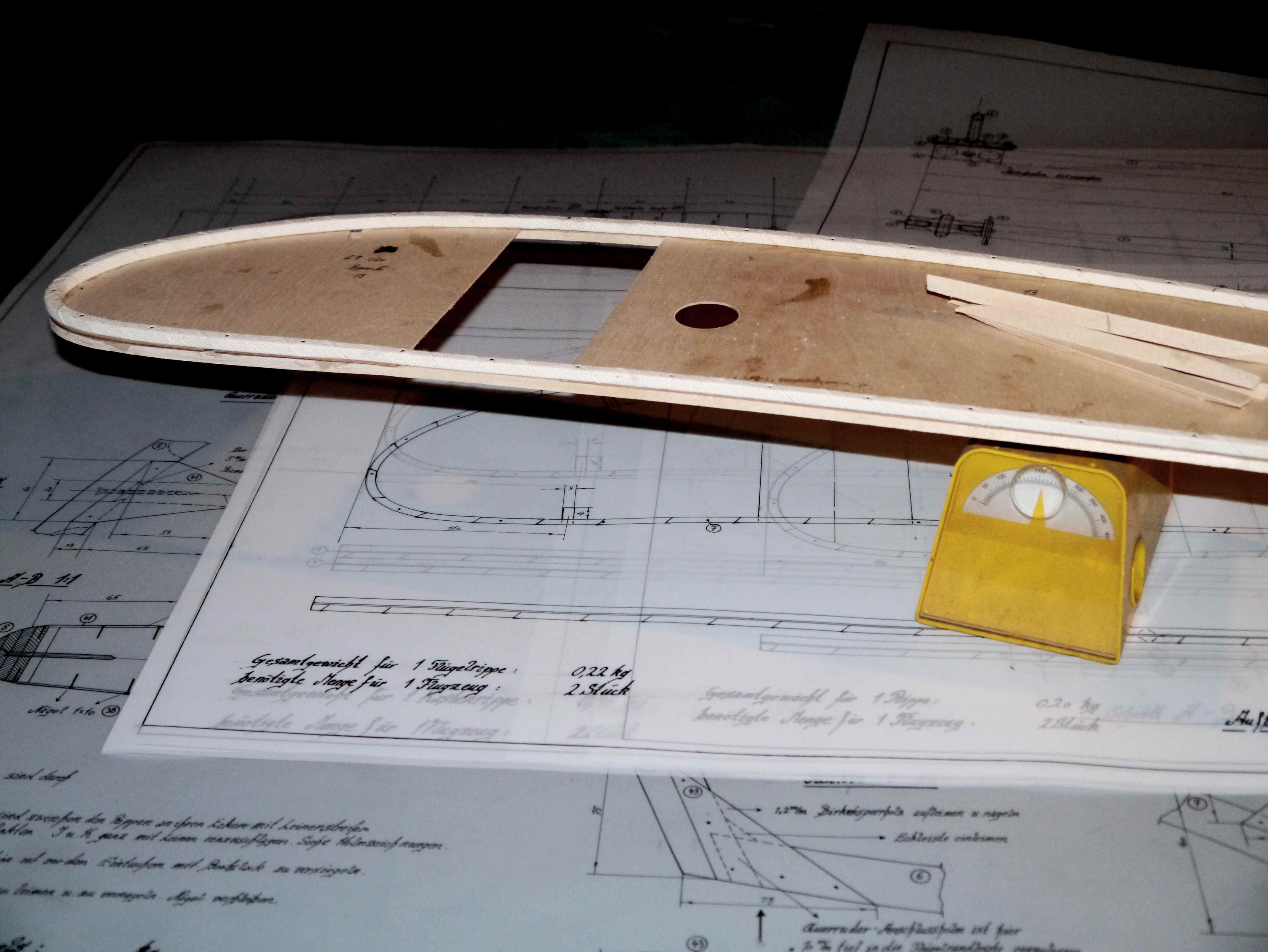
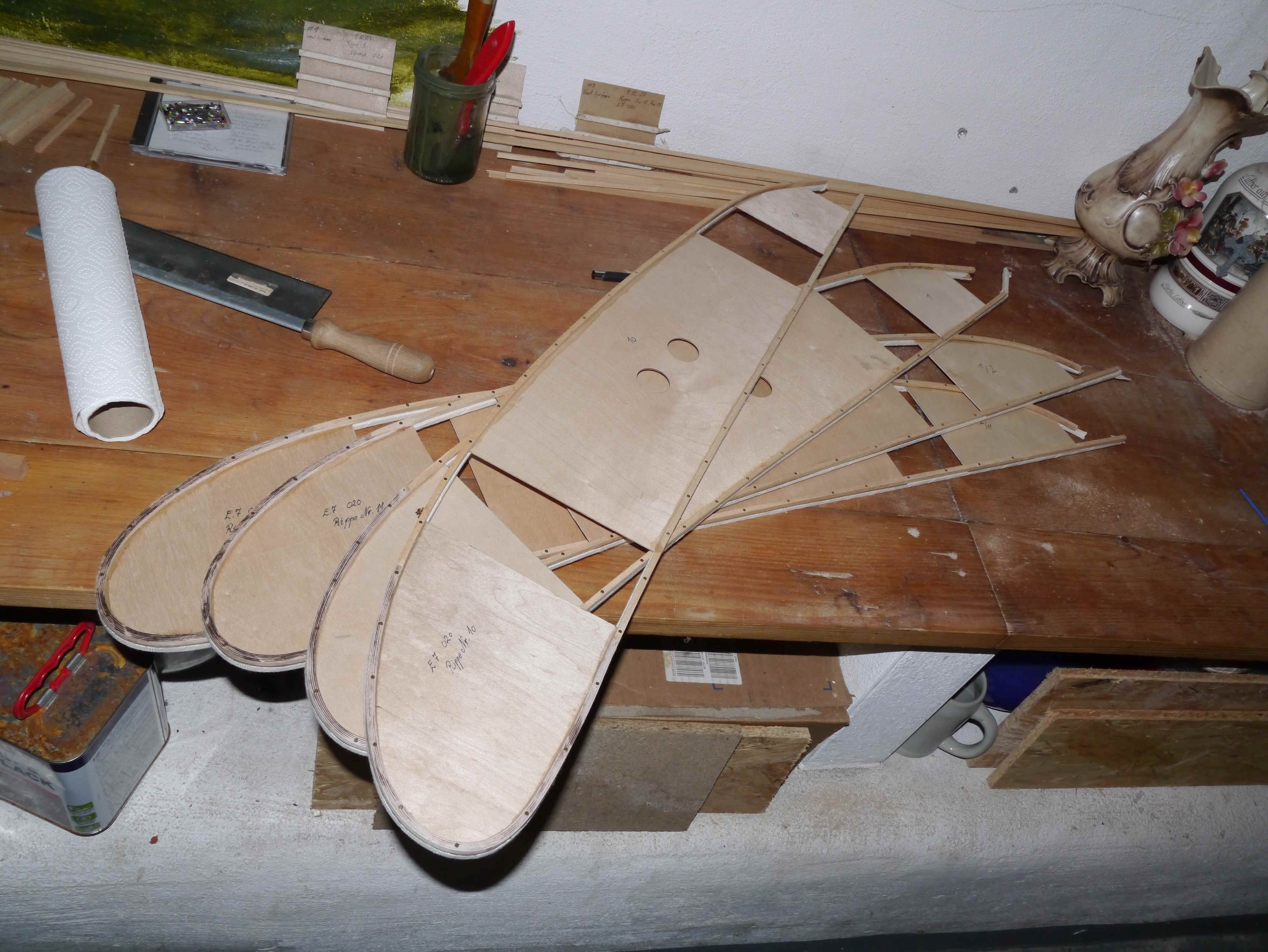
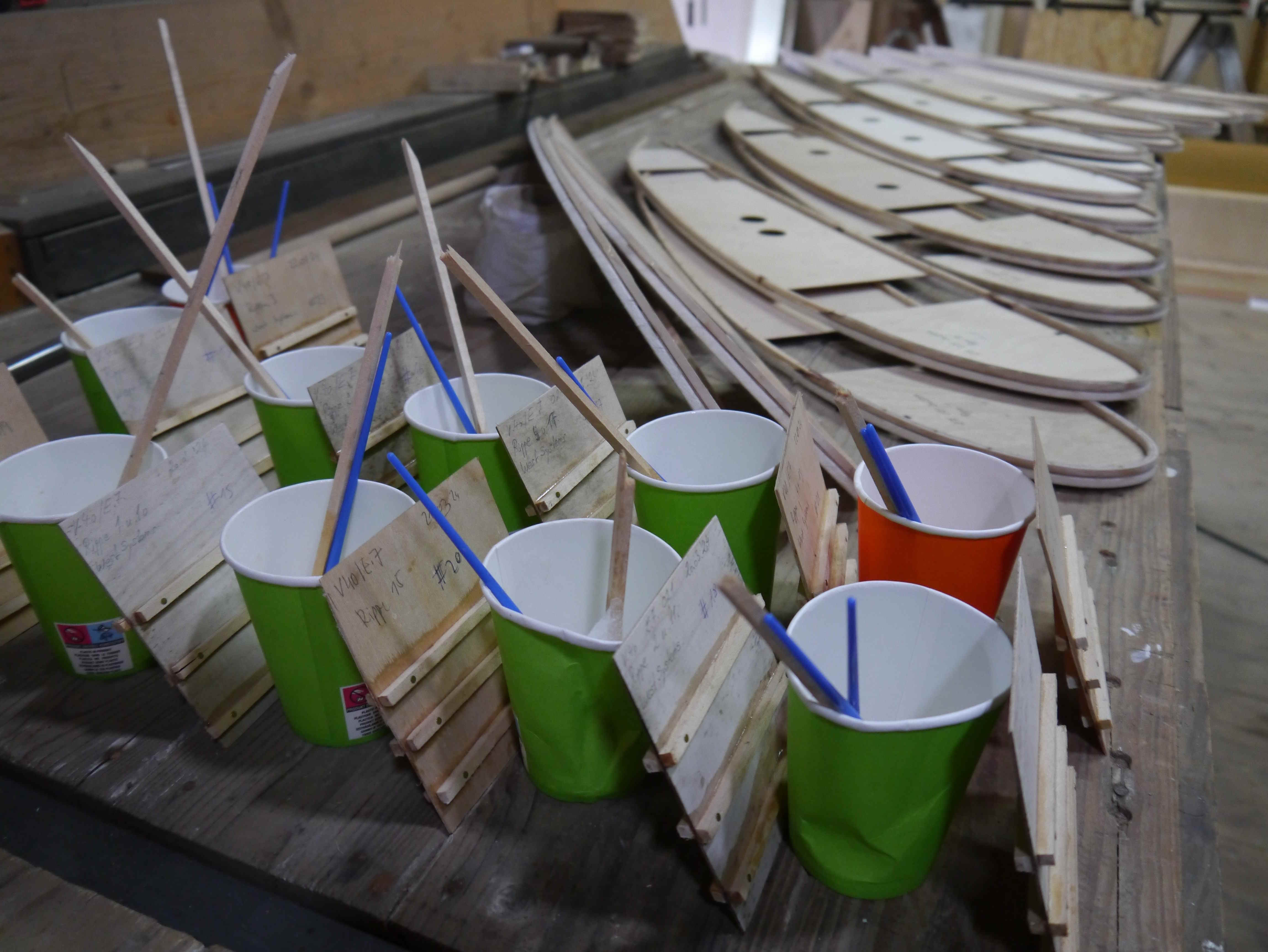
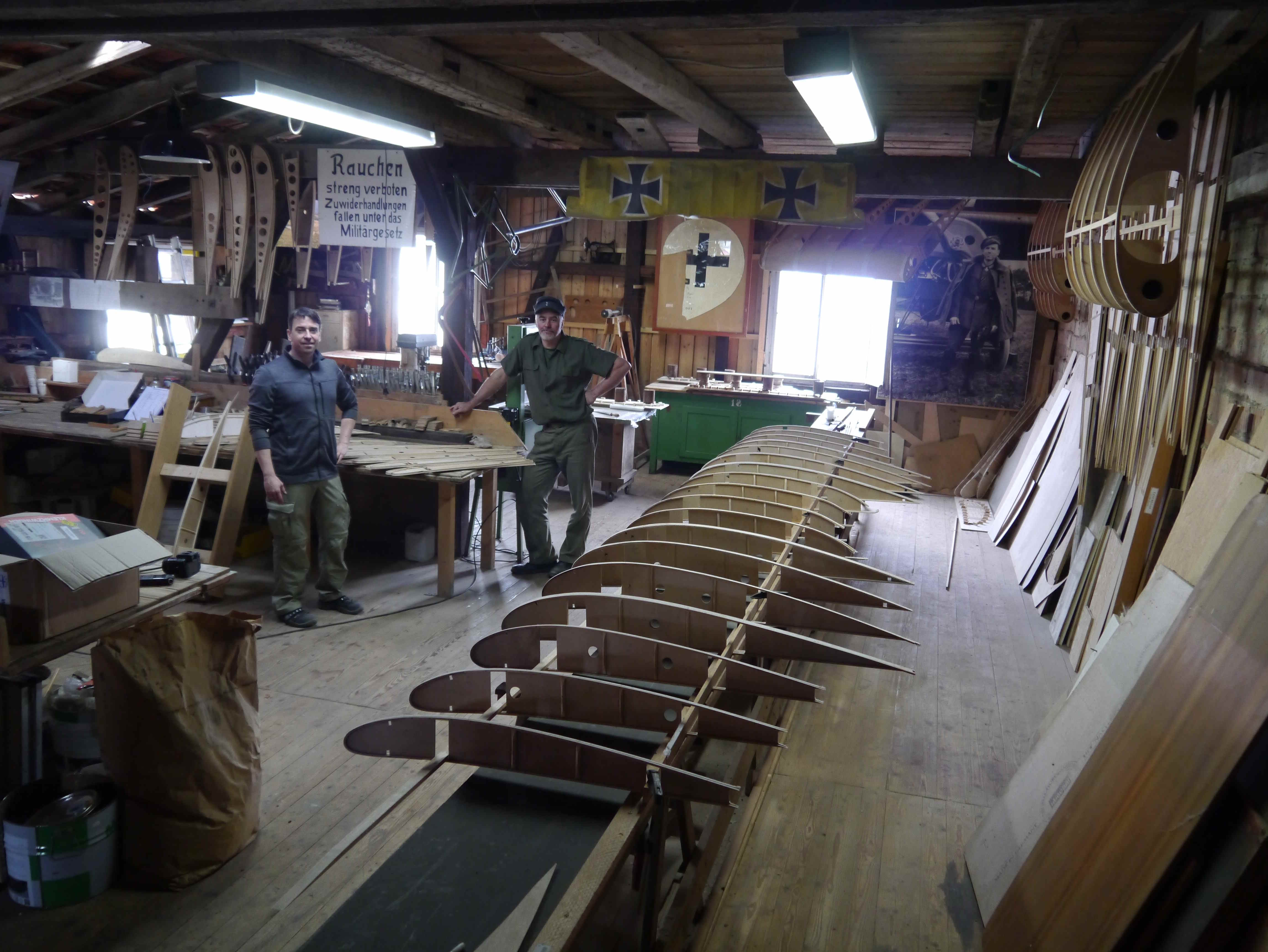
The wing of the one aircraft that is not certified is built to the same standards and almost done. The wing of the aircraft to be certified
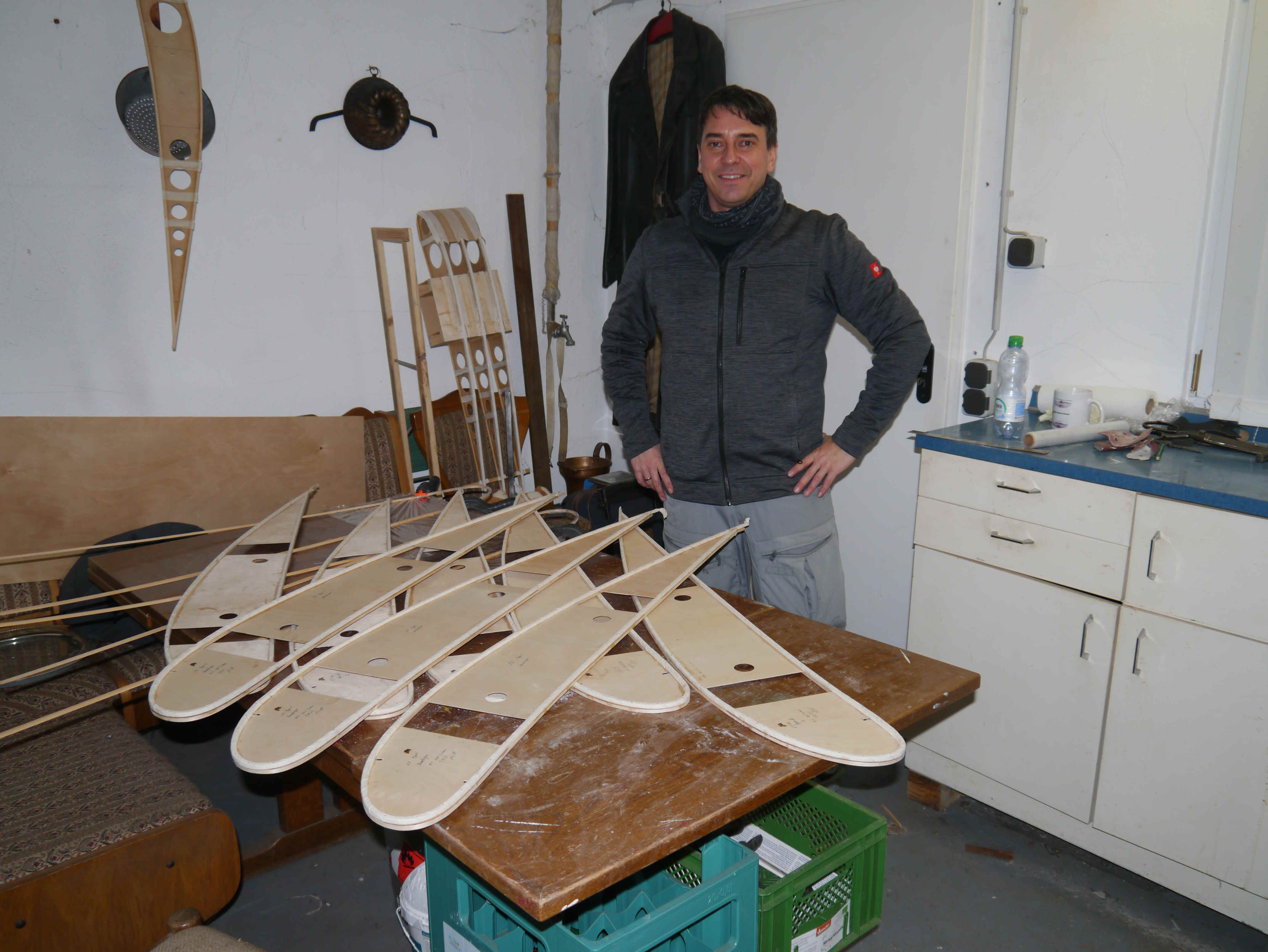
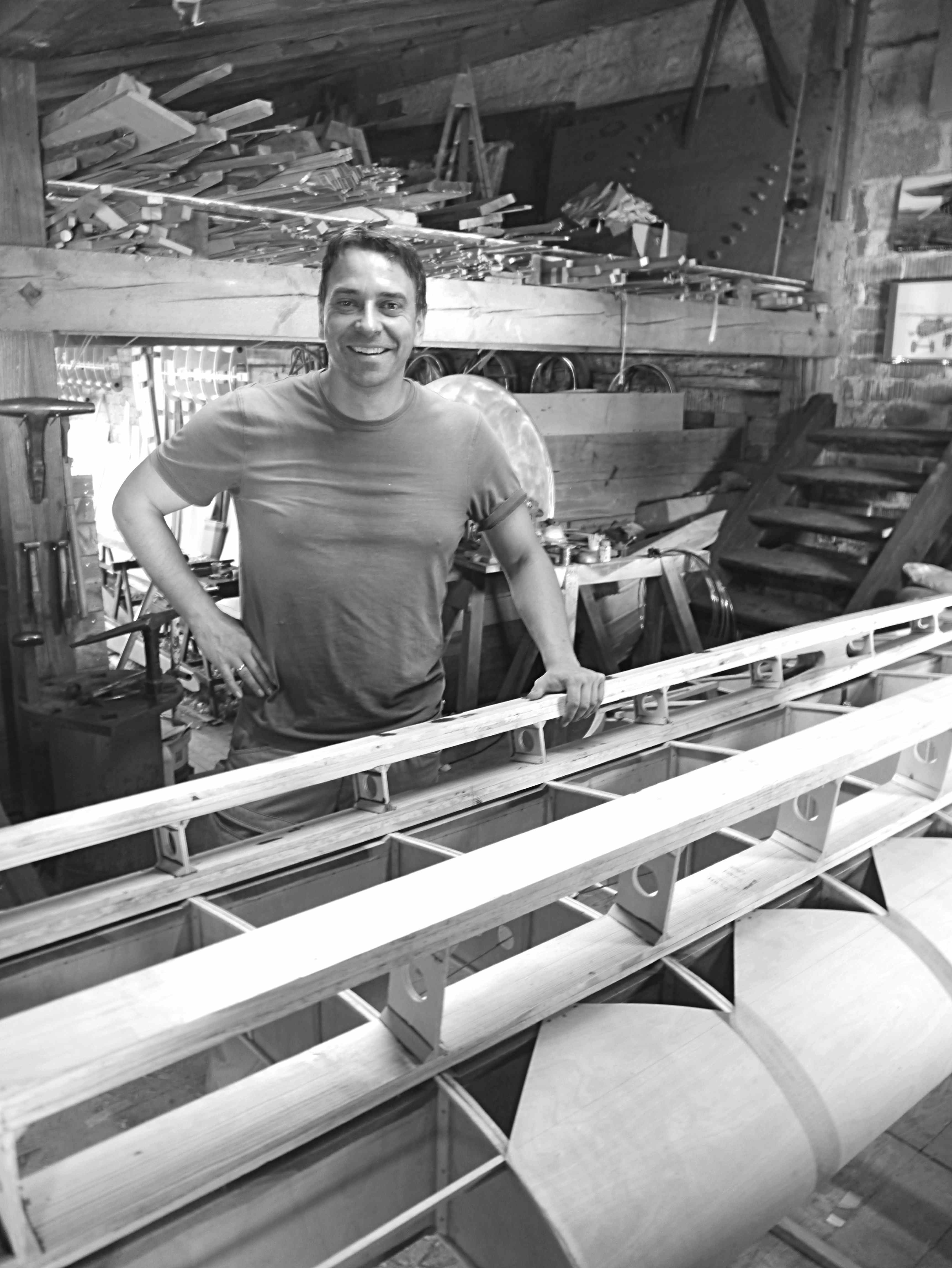
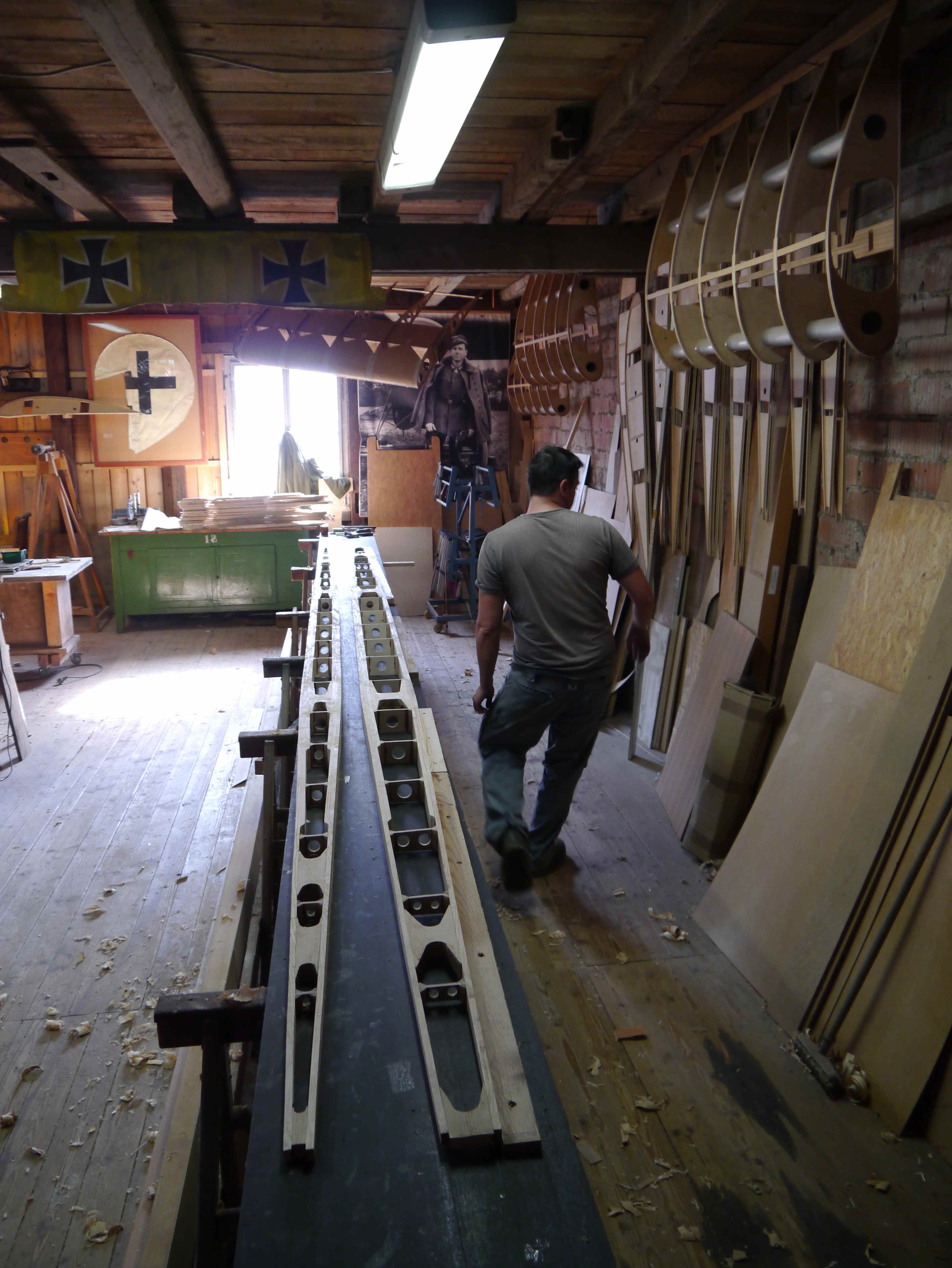
has its wing ribs done and the wing spars built. However the construction supervisor needs to see the wing spar internals first, before we are allowed to
close the spars and continue the actuall wing assembly.
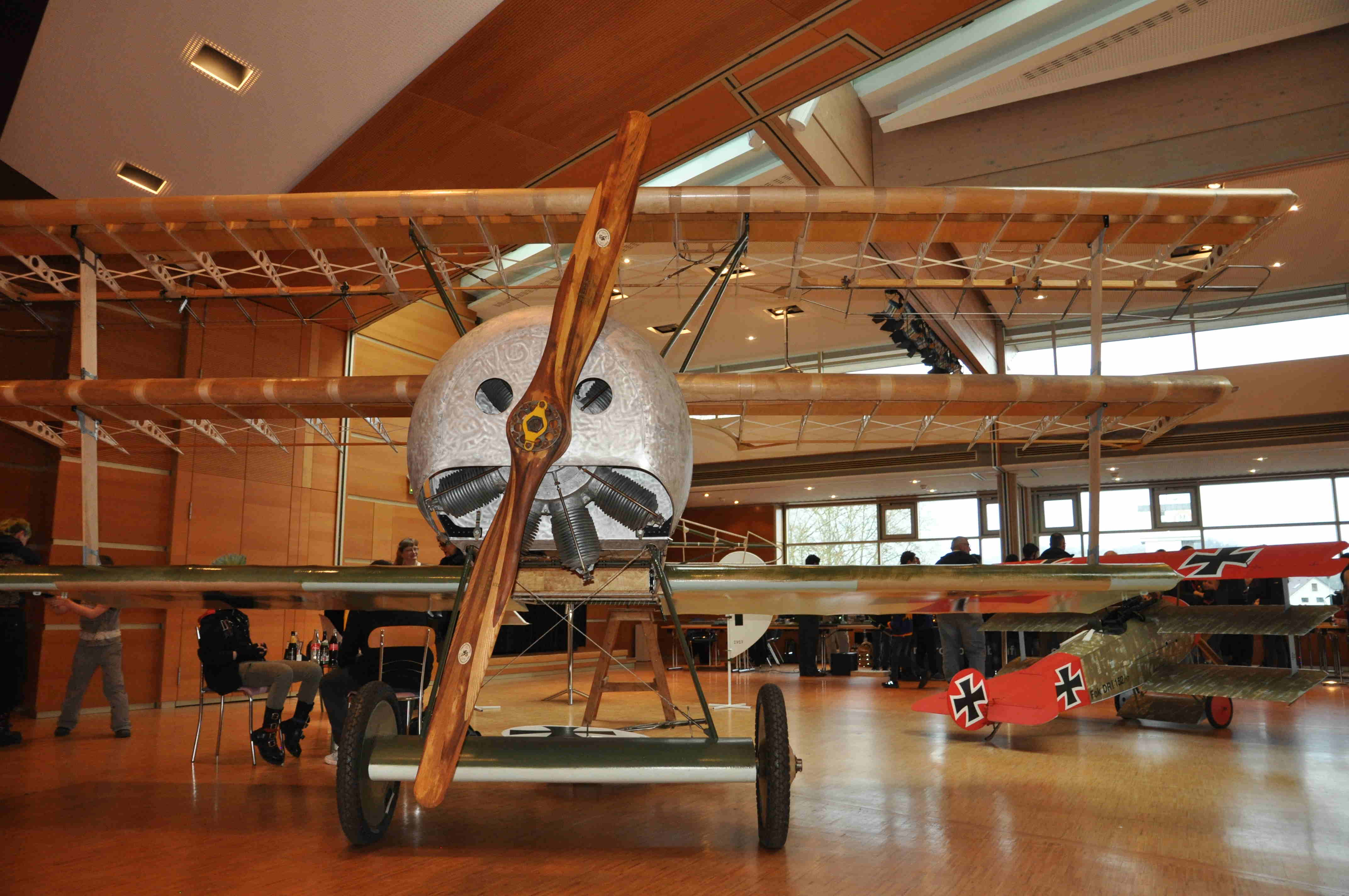
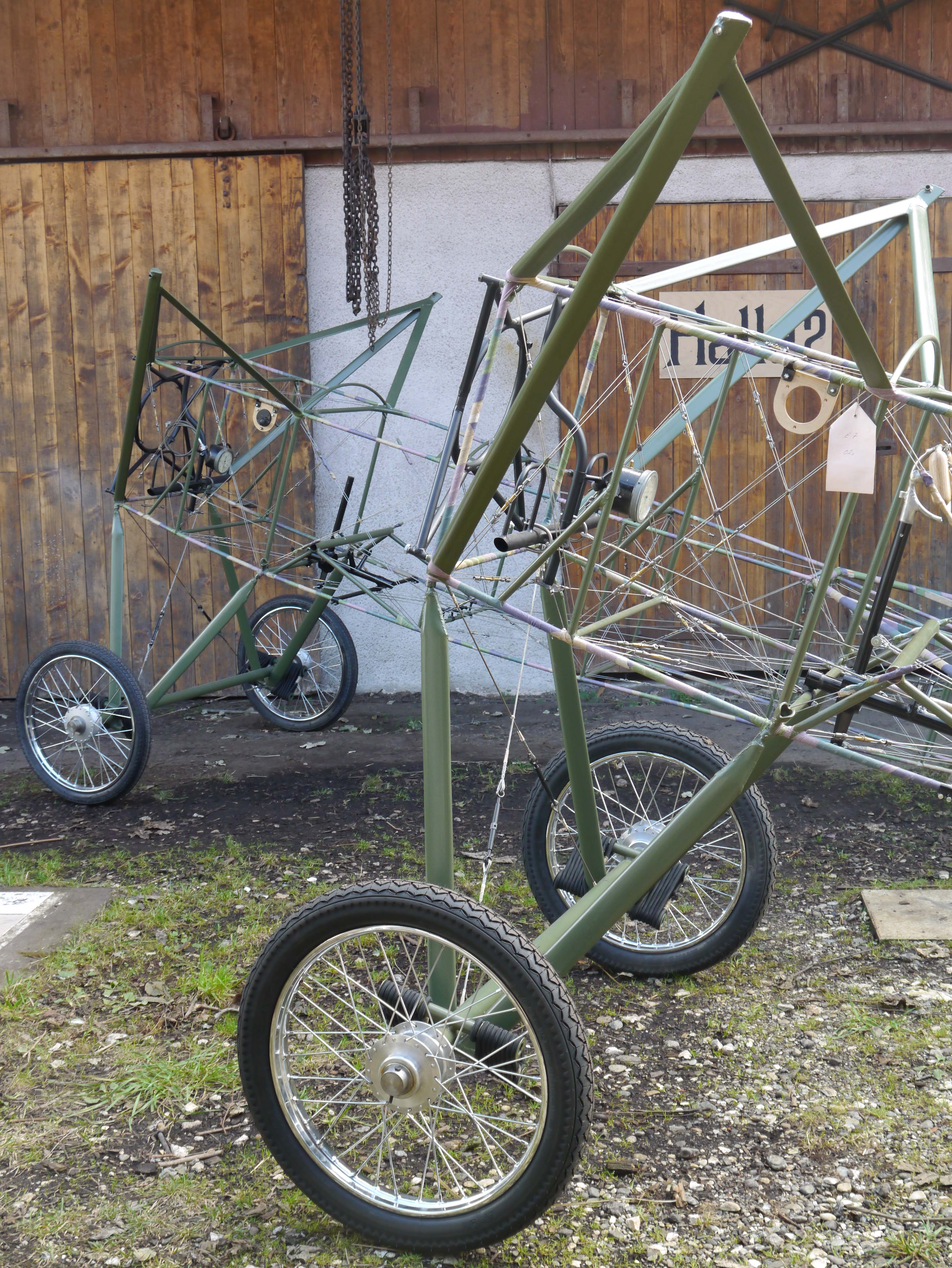
Here are the latest images for those who can not come see first hand.

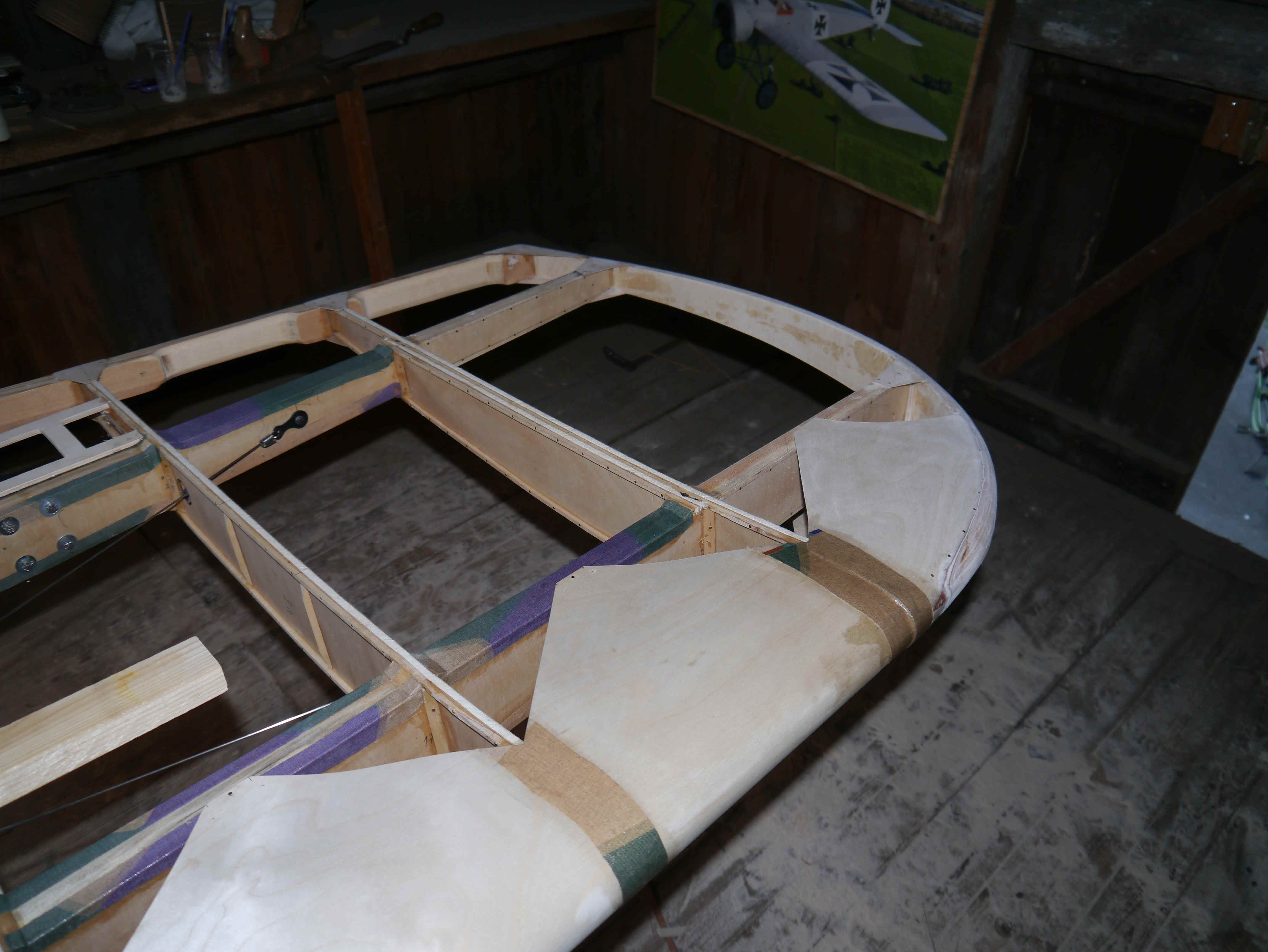
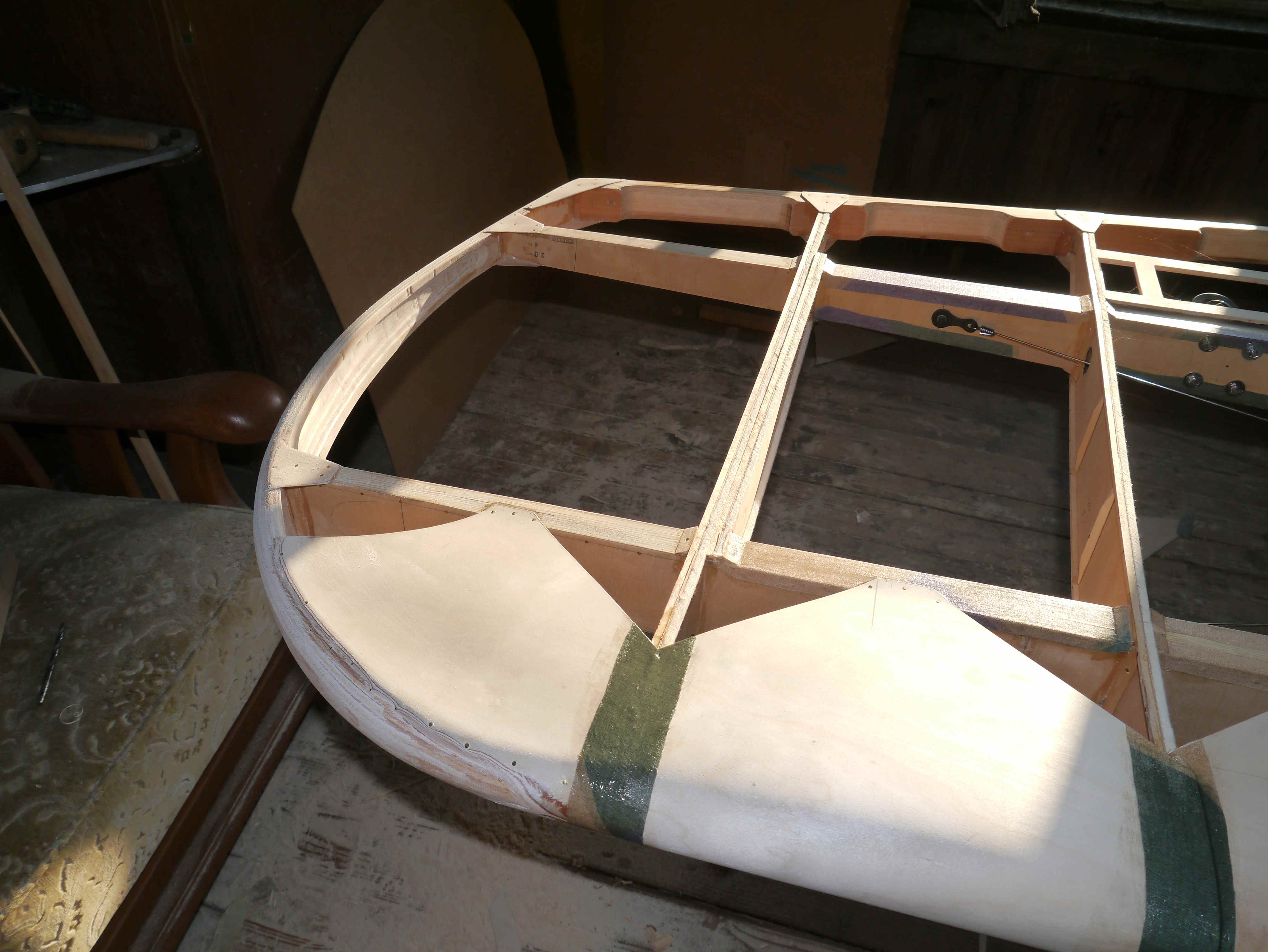
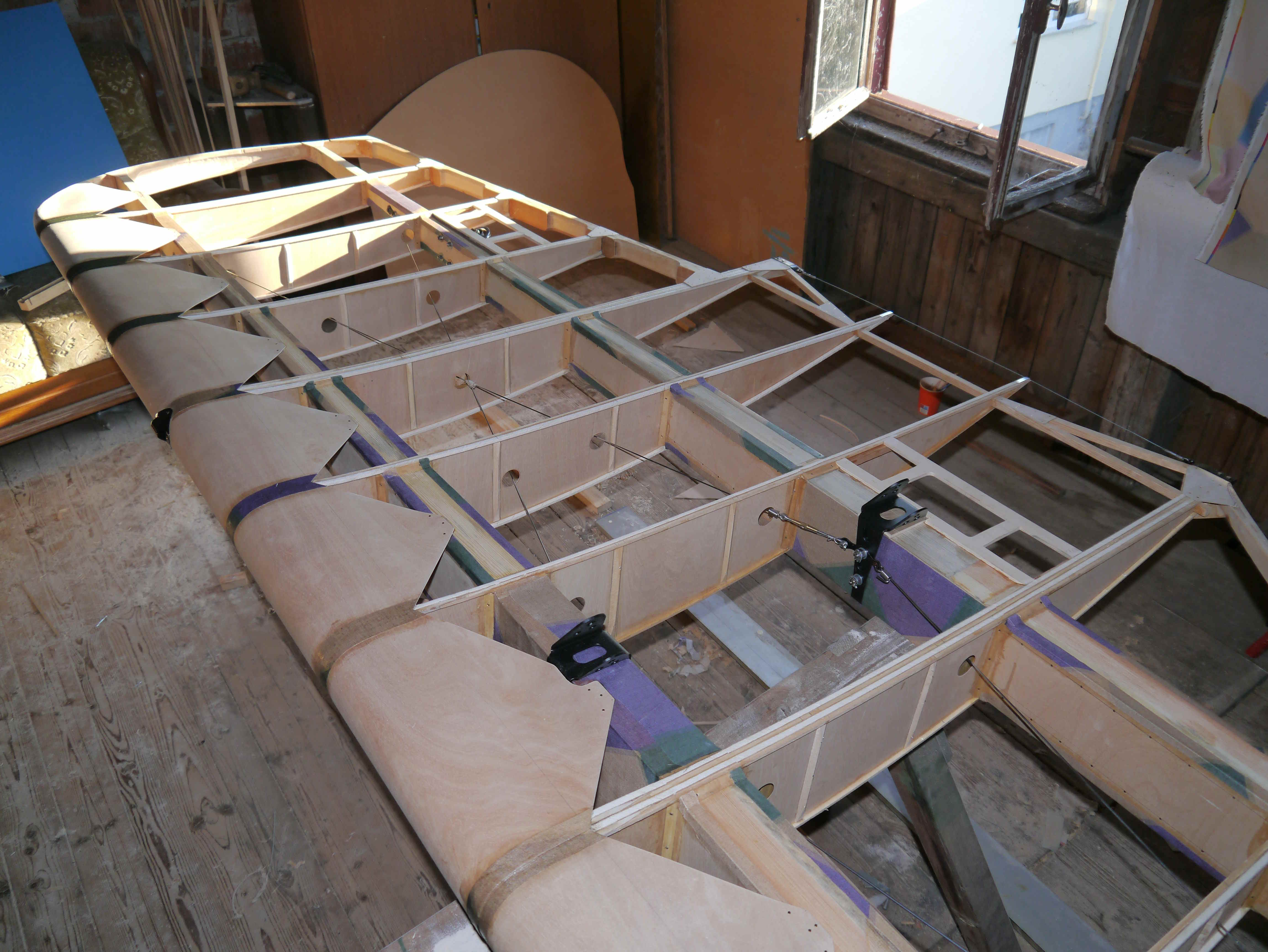
Once again let me point out our YouTube channel and our "Werkstattschau" series there which shows all the dtails of the building of these aircraft. The channels name is: "AchimEngels - Museum f. Flugzeugbau"
20th January 2024:
The MUSEUM FÜR FLUGZEUGBAU UND TECHNISCHE GESCHICHTE (MFtG) - WÄSCHENBEUREN
Reports about news.
The website here is not updated as regularly as I would like, but there is still news here from time to time.
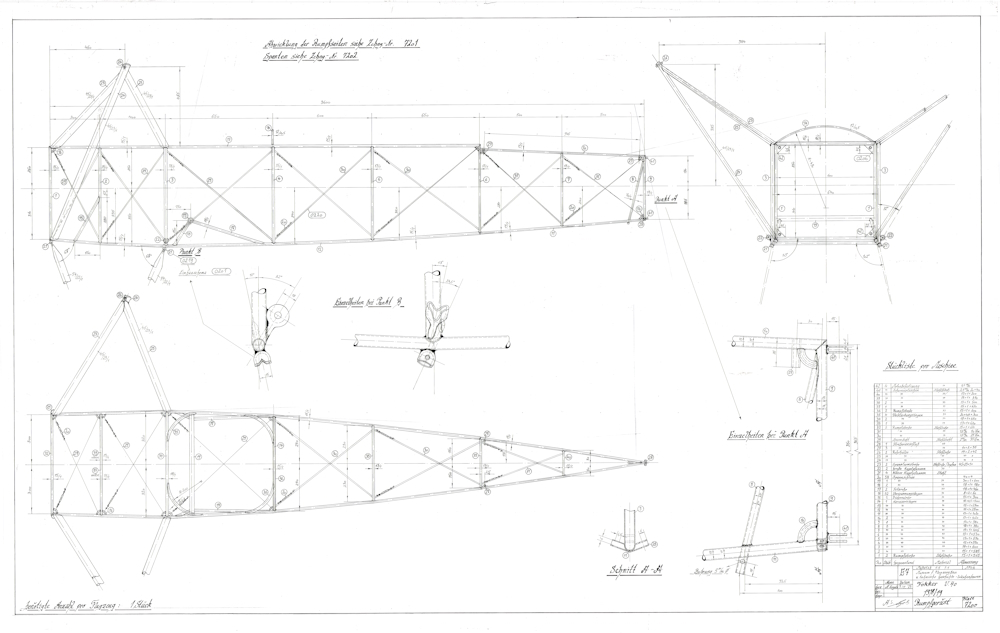
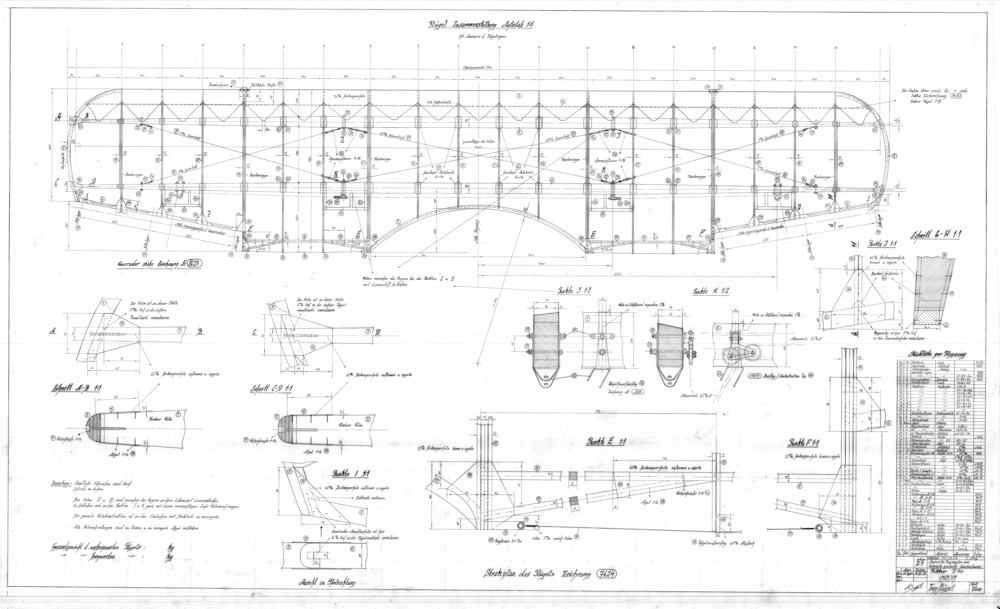
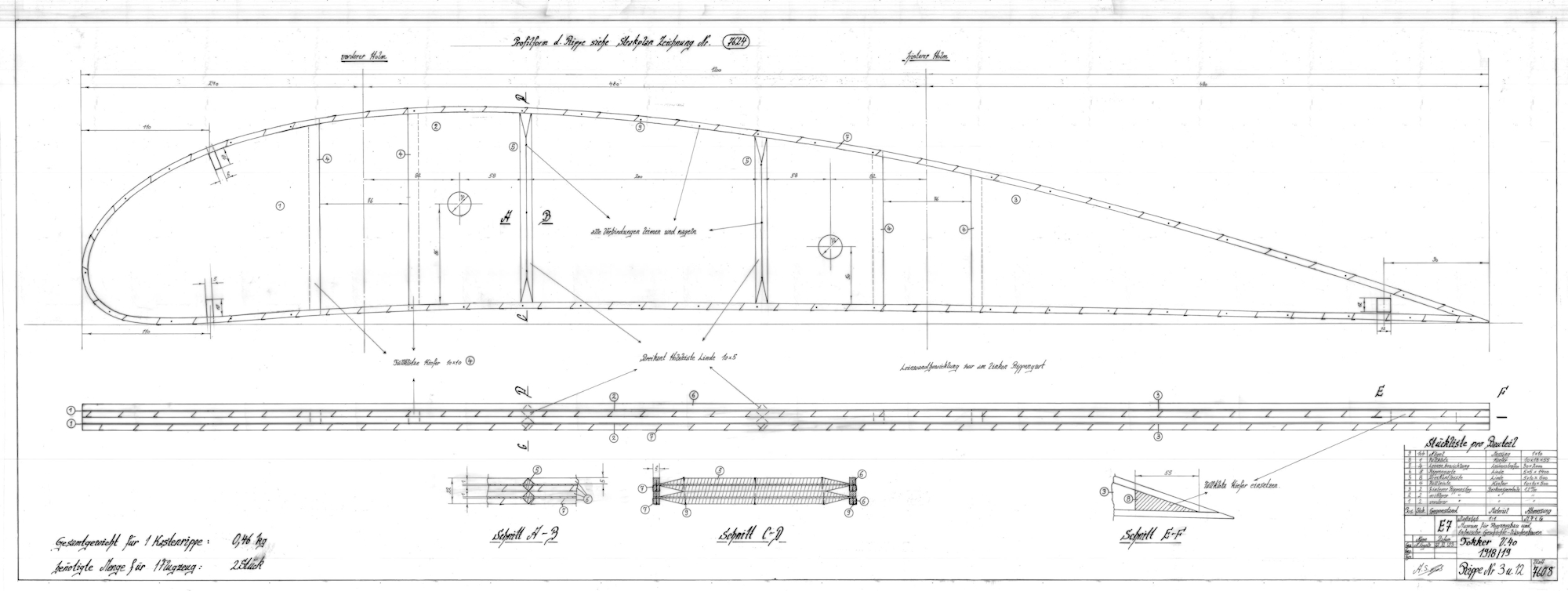
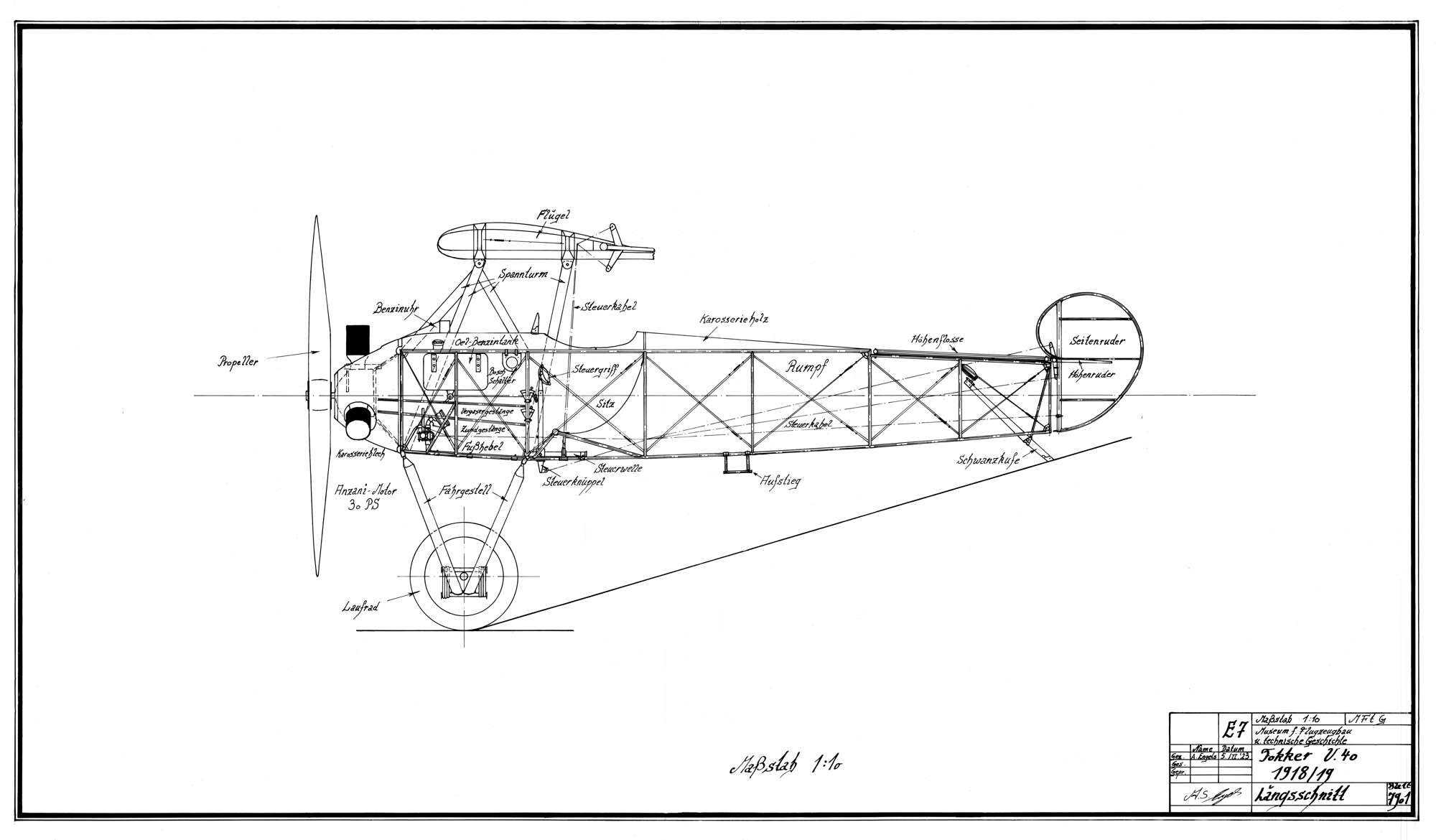
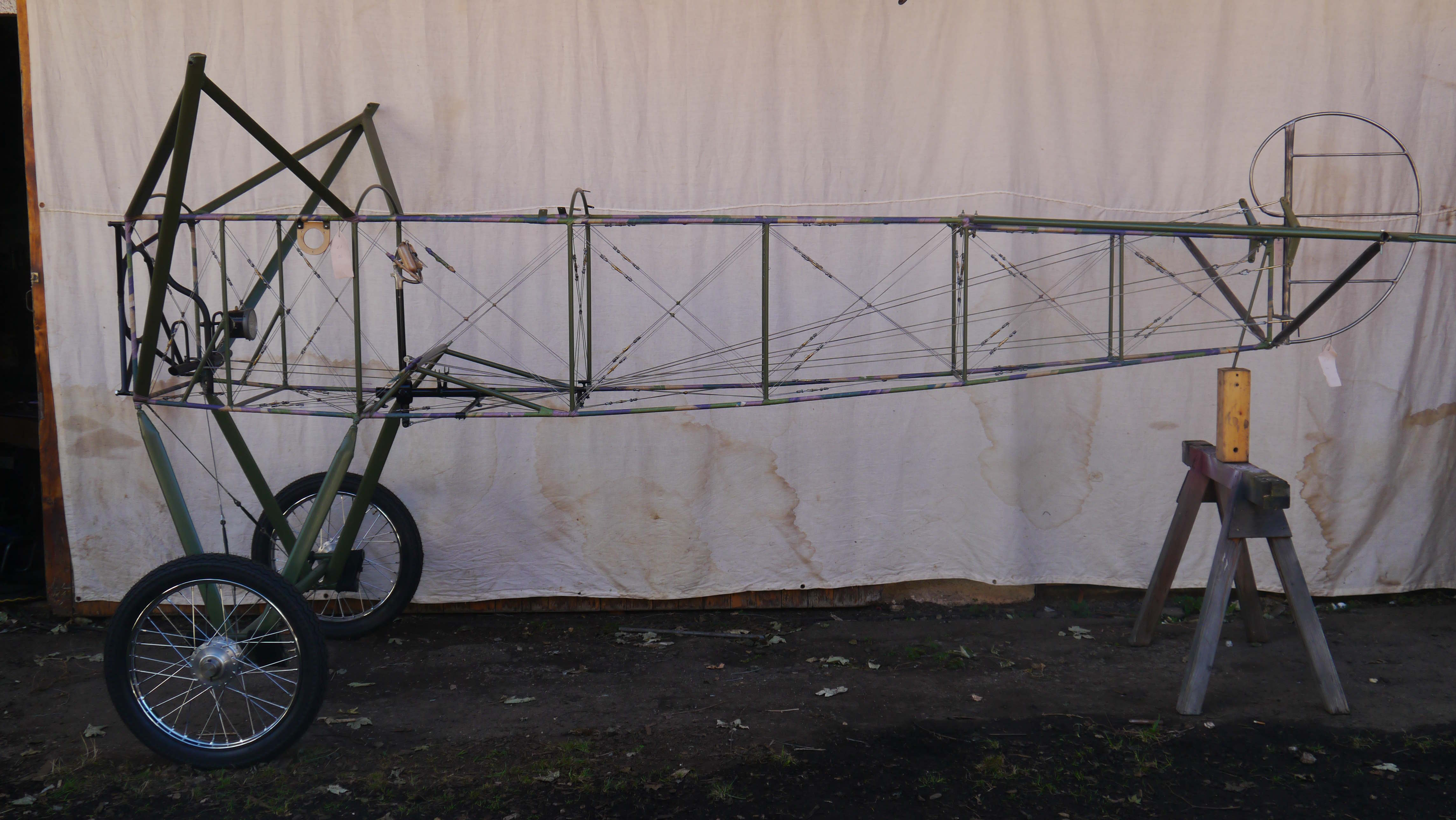
The construction of our Engels E.7, the replica of the Fokker V.40, is in full swing. The fuselage, tail unit and landing gear have already been completed and construction of the wings has just begun.
You can follow all this on our channel on the YOUTUBE platform. There we show the entire construction of the airplane from start to finish in the episodes of the `Werkstattschau`.
We mentioned in our last newsletter that we are building two aircraft, one of which is available for exchange. This has now been resolved, as an interested party has been found who will also bring the aircraft through the certification process.
The notifications to the LBA have already been made, and the LBA project number has already been issued, with Marco Scheuerlein acting as the inspector and Jürgen Fecher from the Oskar Ursinus Association as the expert. The aircraft will be tested and certified for aerobatic flight in accordance with CS23.
We are not doing this because it is a particularly great or high-performance aerobatic aircraft, but because we are convinced of its strength and want to be able to do whatever we want with it in flight.
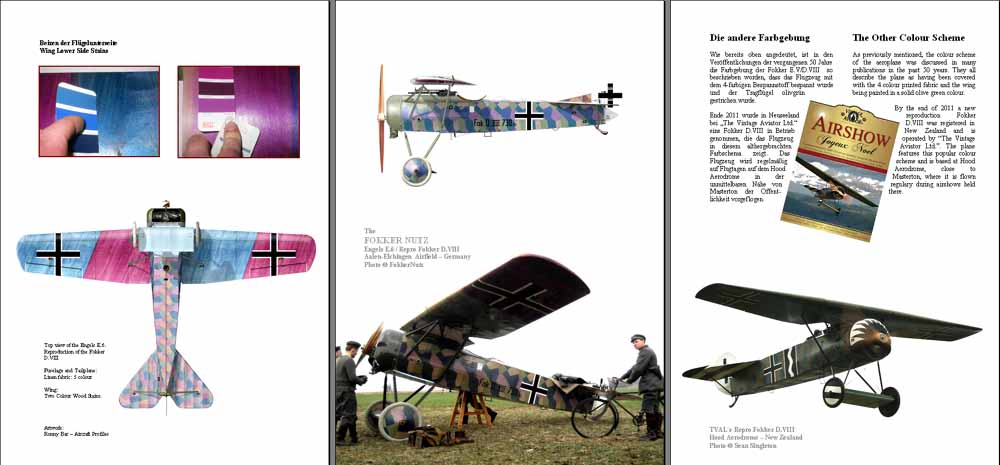
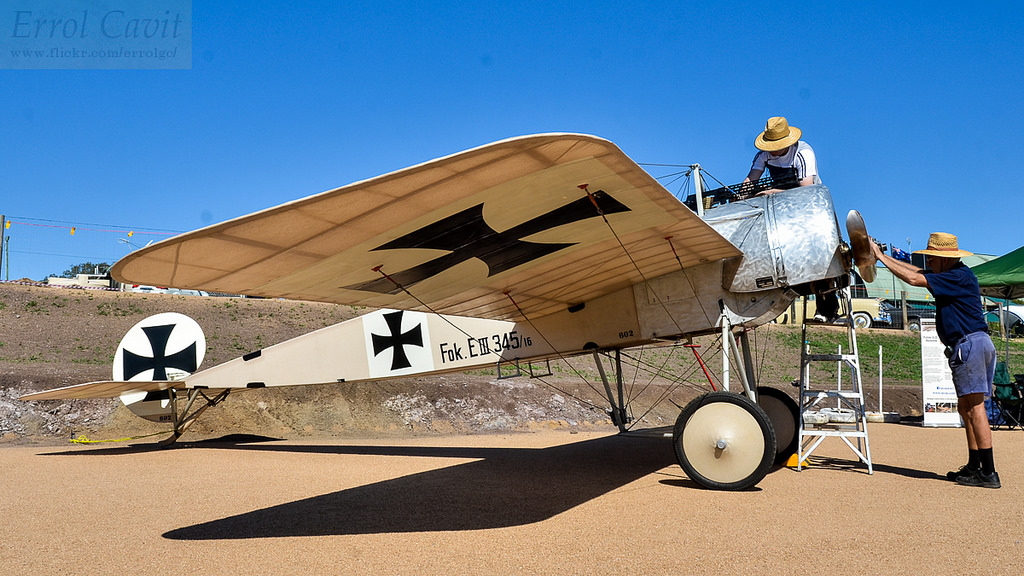
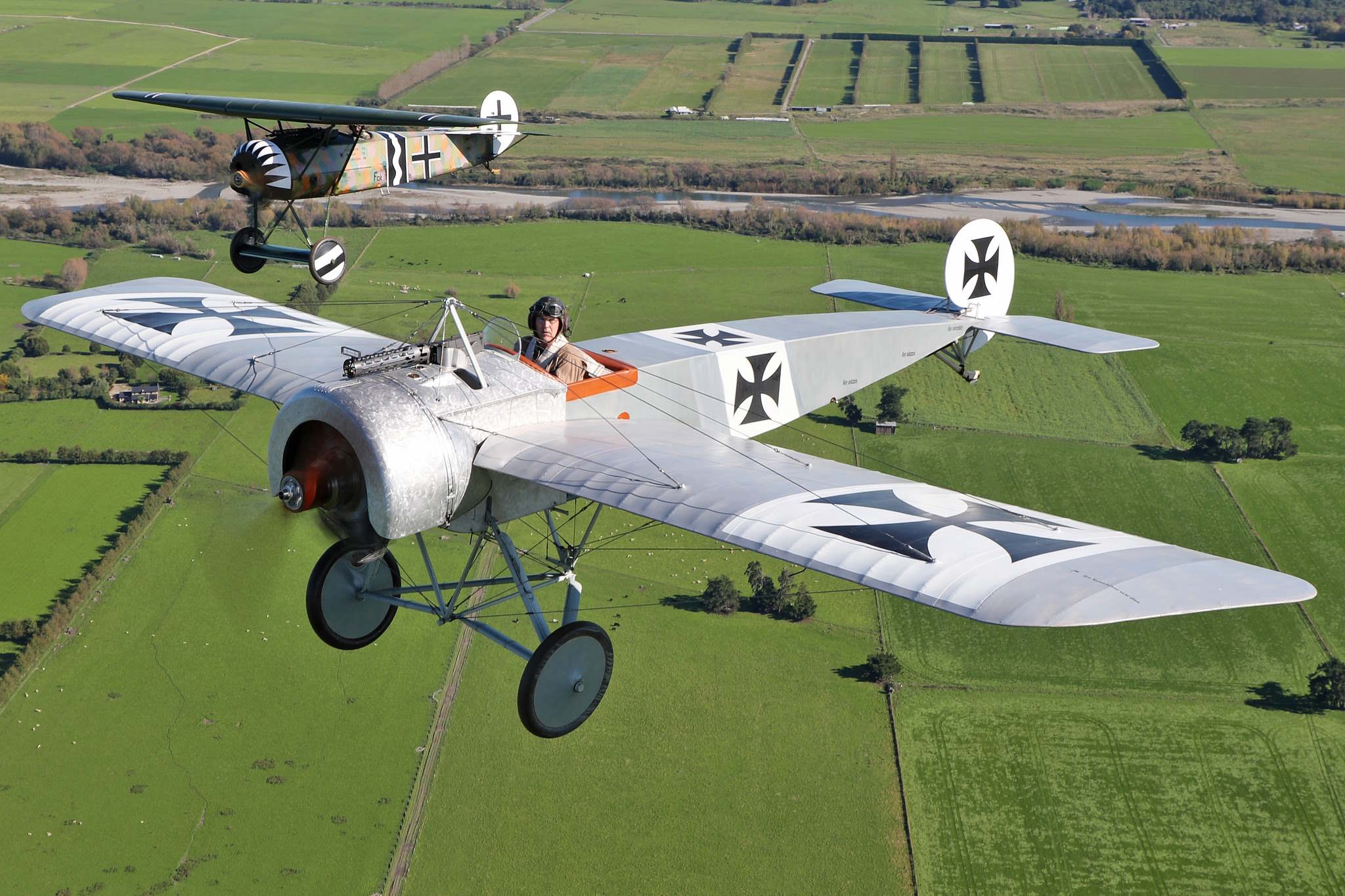
In other news, the first of the two Engels E.4 (Fokker E.III) that I built for the New Zealanders around 10 years ago is finally flying at TVAL.
Contrary to what has been published in some articles, I didn't just build the fuselages, which were then bought by TVAL, but the entire aircraft, with the exception of the covering and the engines, came from my workshop. Anyone who followed the construction back then knows that.
That my own three airplanes have moved from Australia to New Zealand should be well known by now. They will now be operated by Omaka Aviation Heritage for the next few years. I am looking forward to many great airshows and that the planes are now in good hands. None of this has anything to do with TVAL.
Hier die neuesten Fotos, für diejenigen, die nicht vorbei kommen können.
7th of March 2022:
Current things: The last update of this website now was a long time ago. The
MUSEUM FÜR FLUGZEUGBAU UND TECHNISCHE GESCHICHTE (MFtG) - WÄSCHENBEUREN
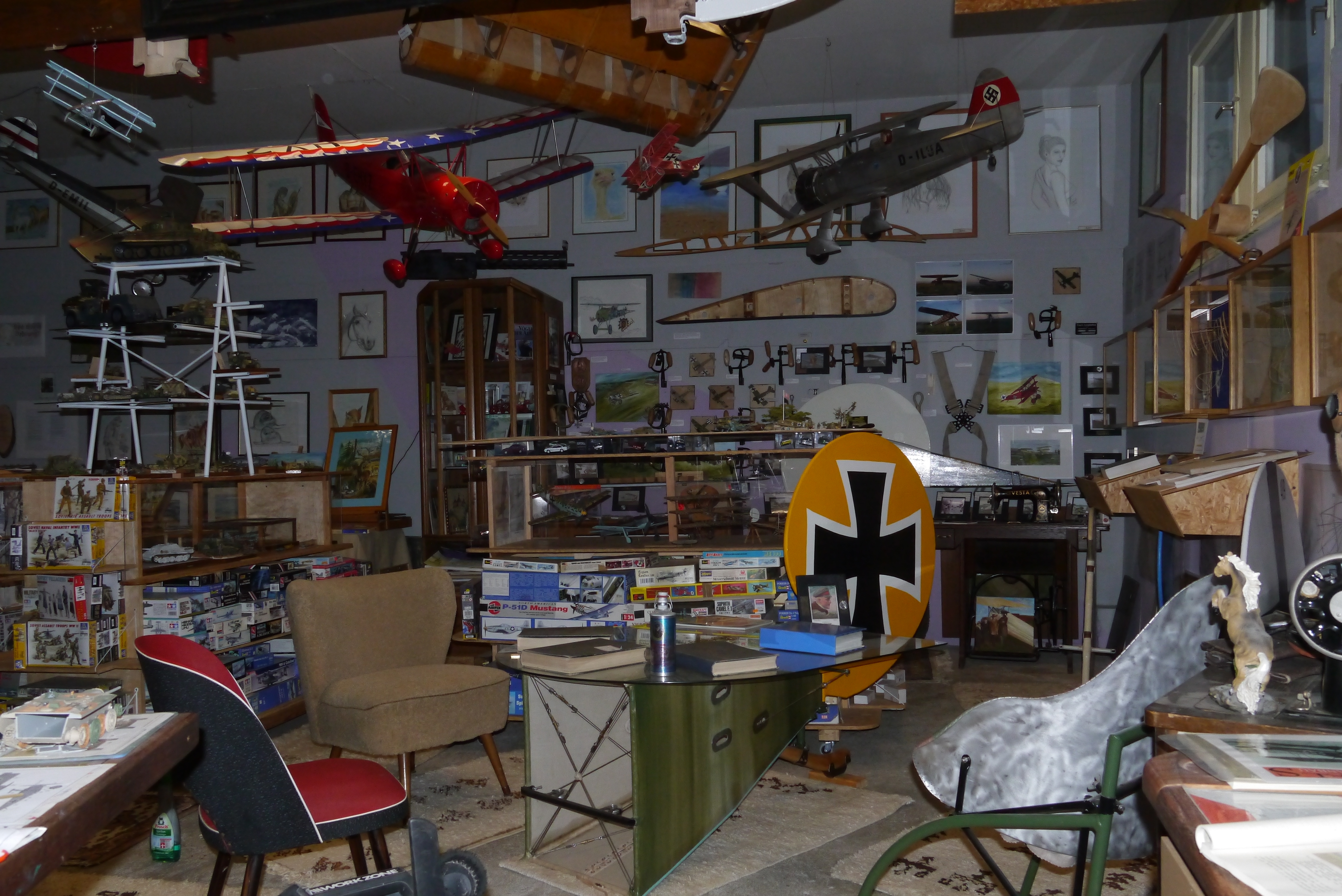
underwent some changes and rearangements as well and had some new additions to the collection.
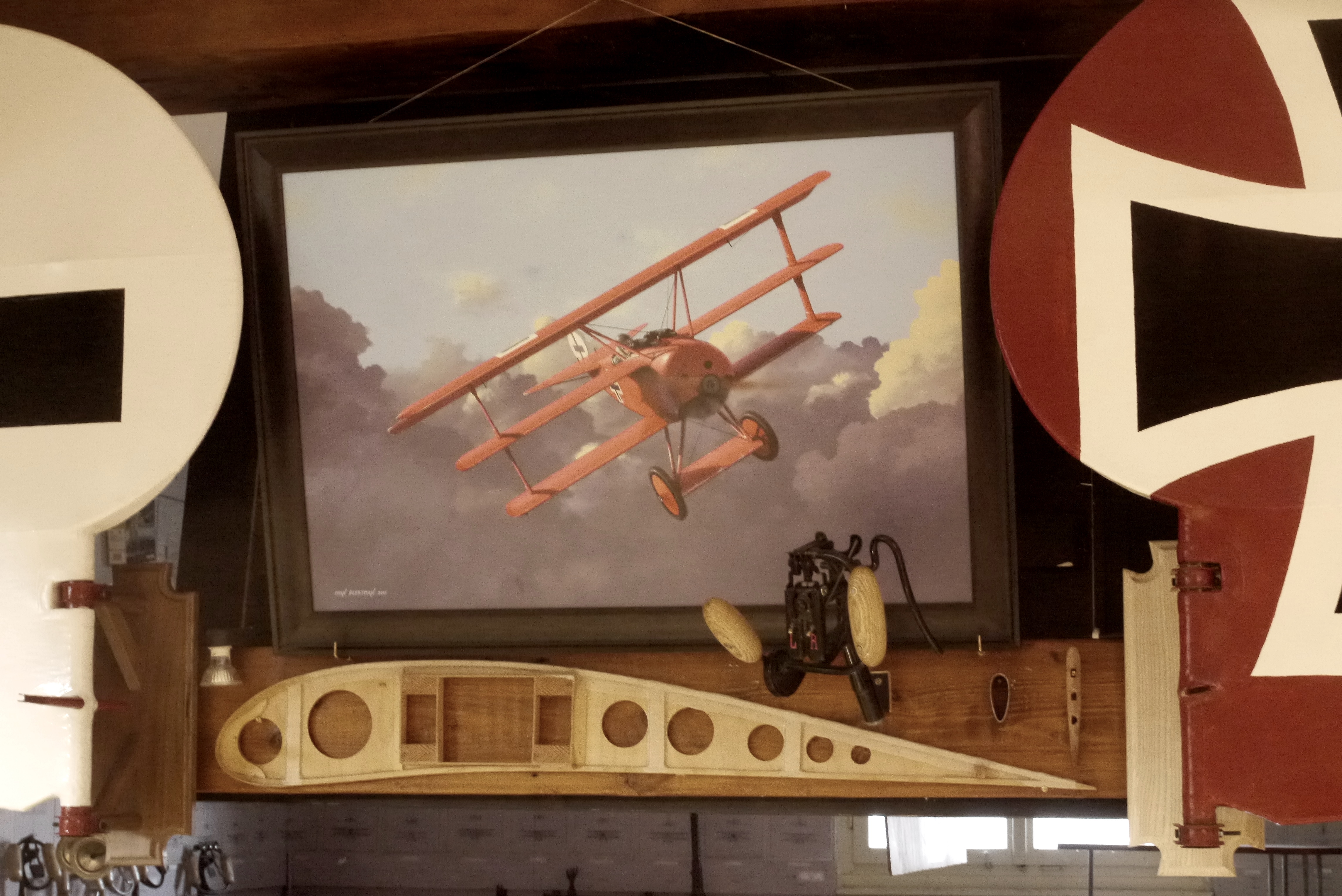
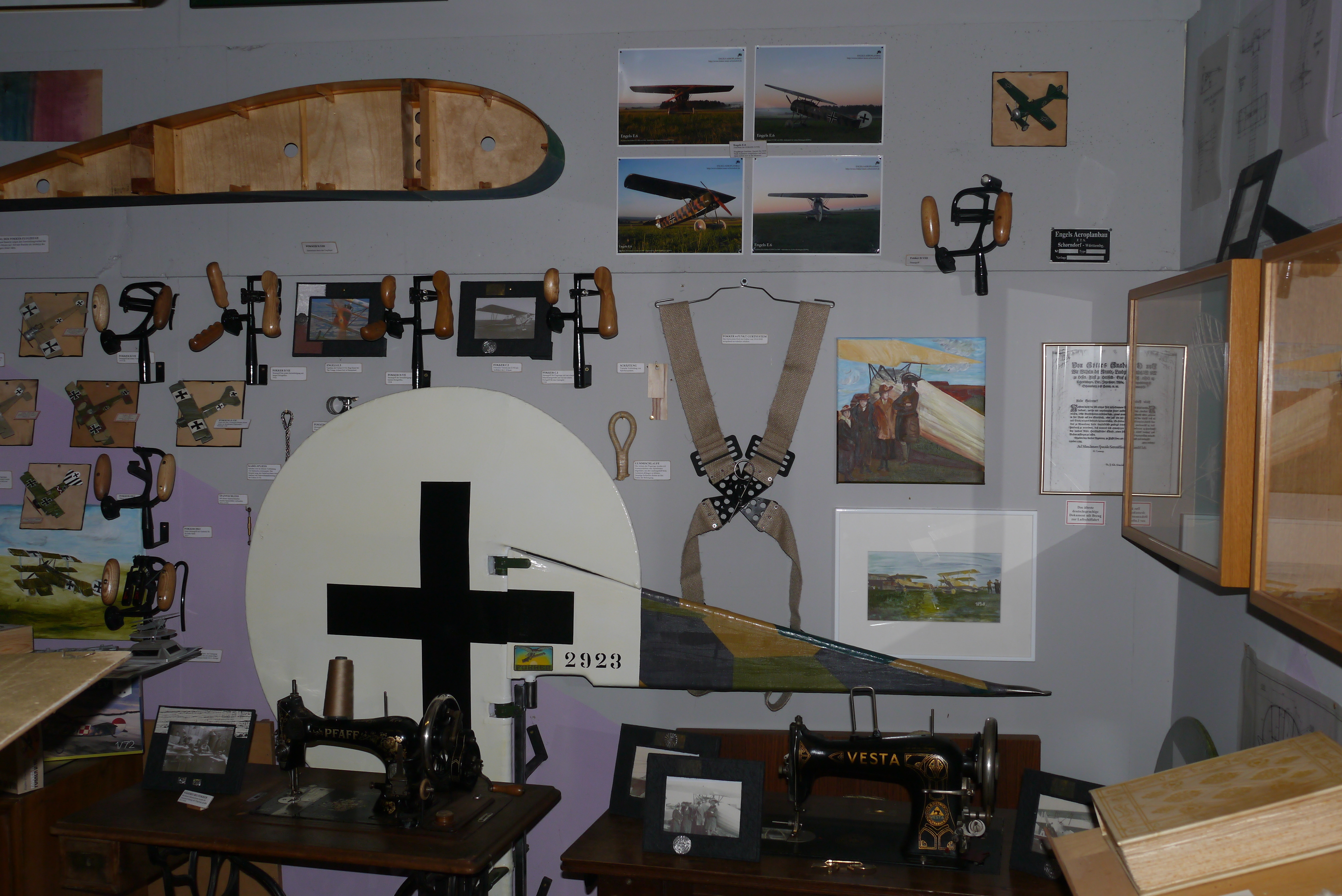
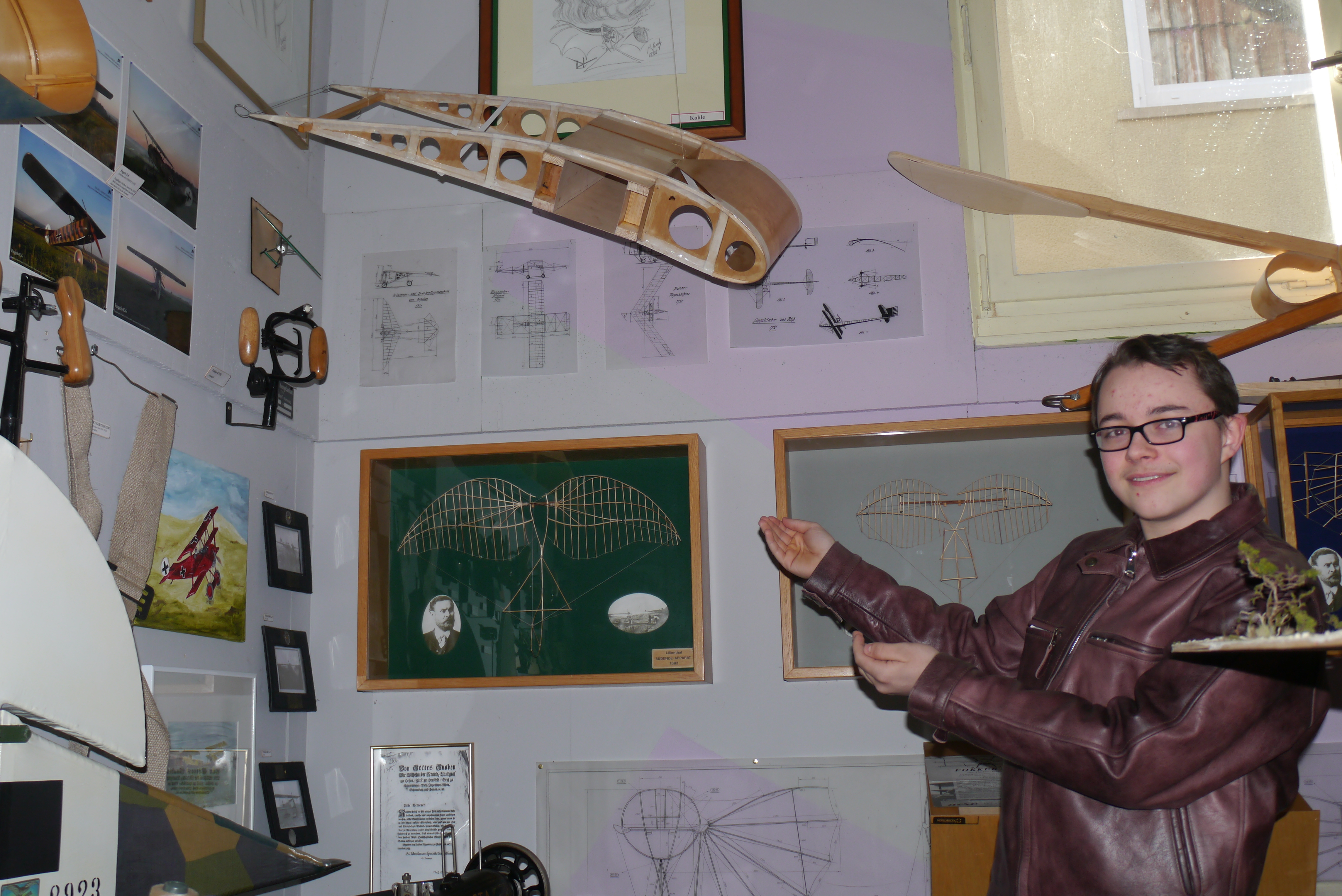
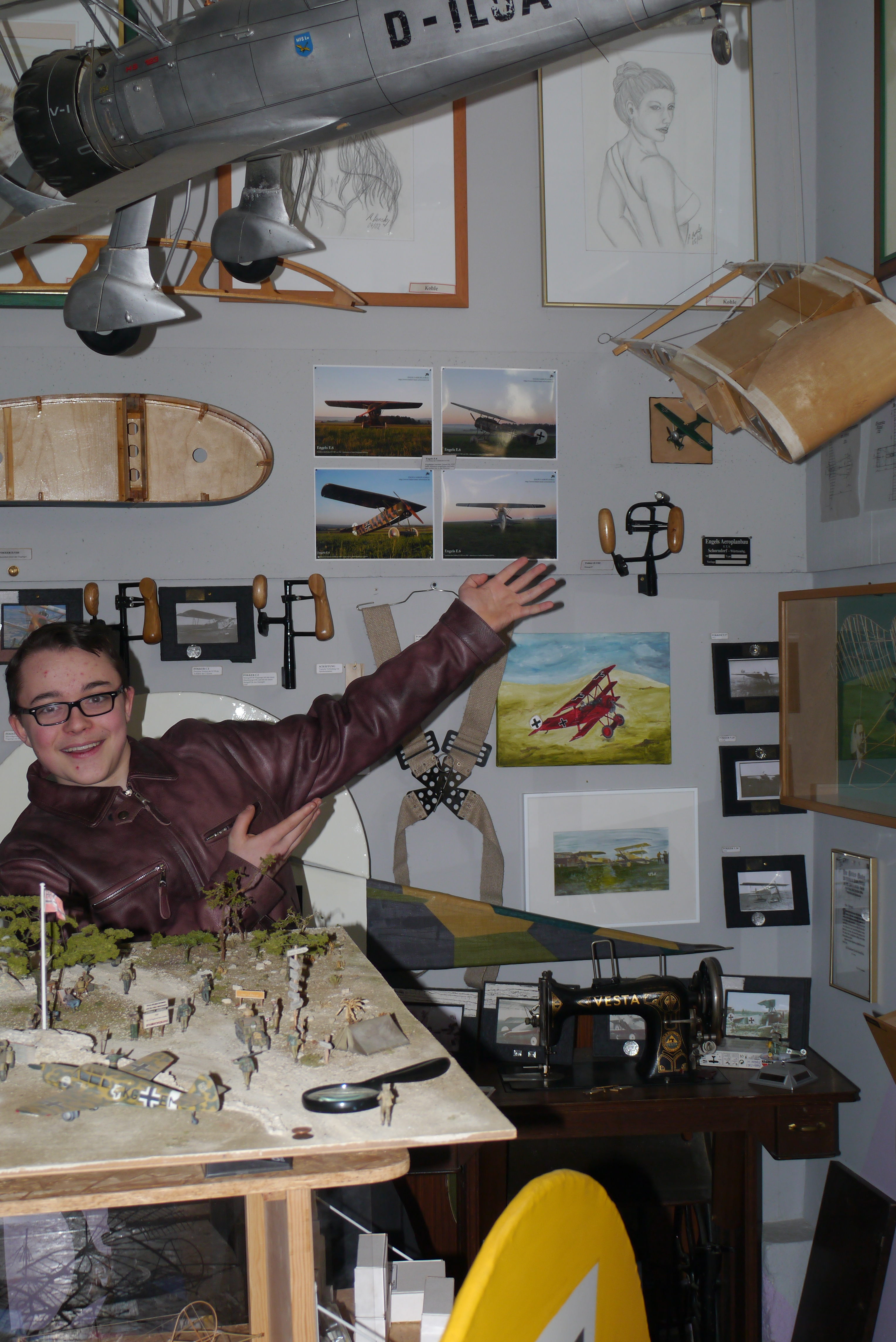
The development of the control grips is now all put together on one exhibition wall along with some of the most interesting technical details of the dsesigns over the years.
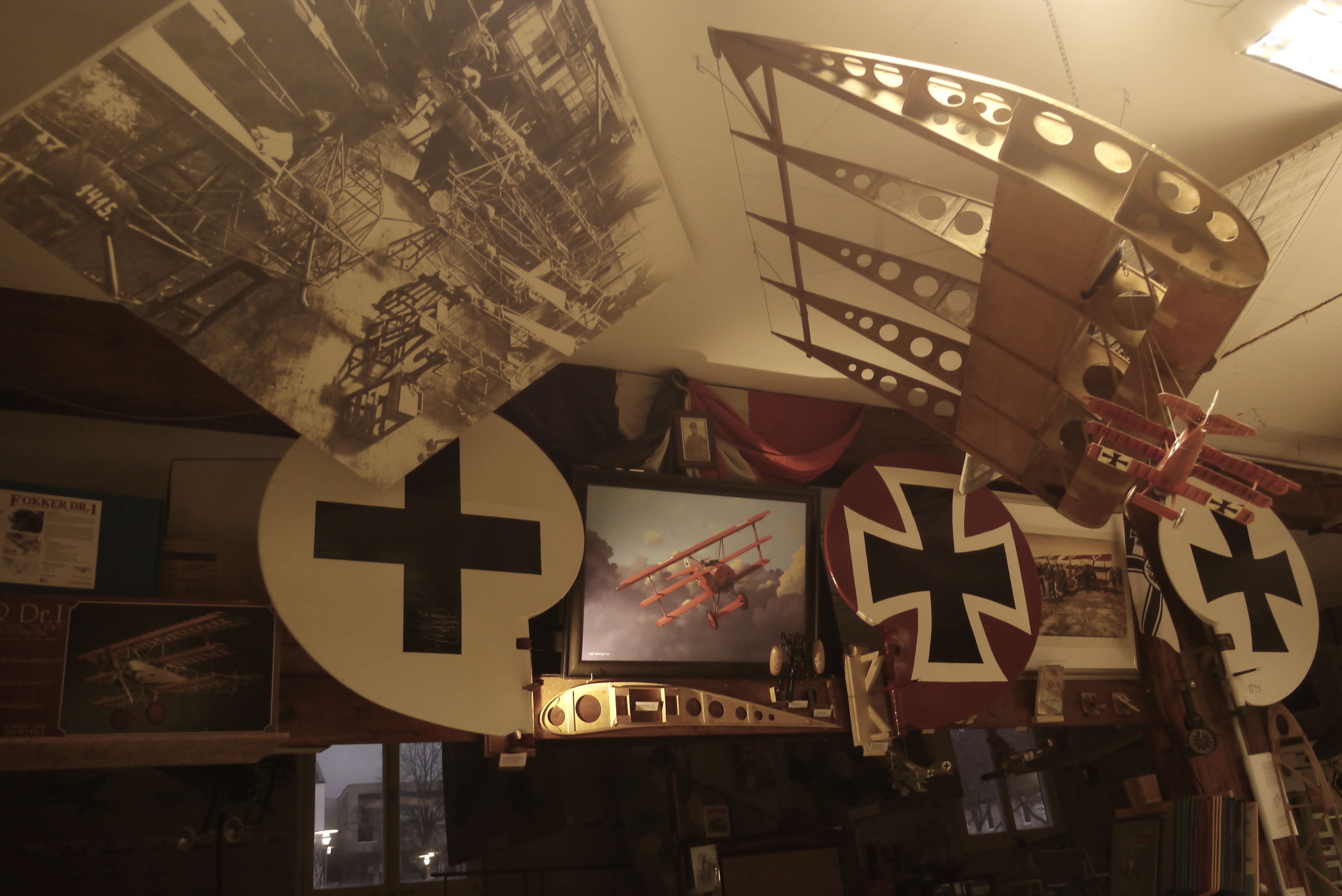
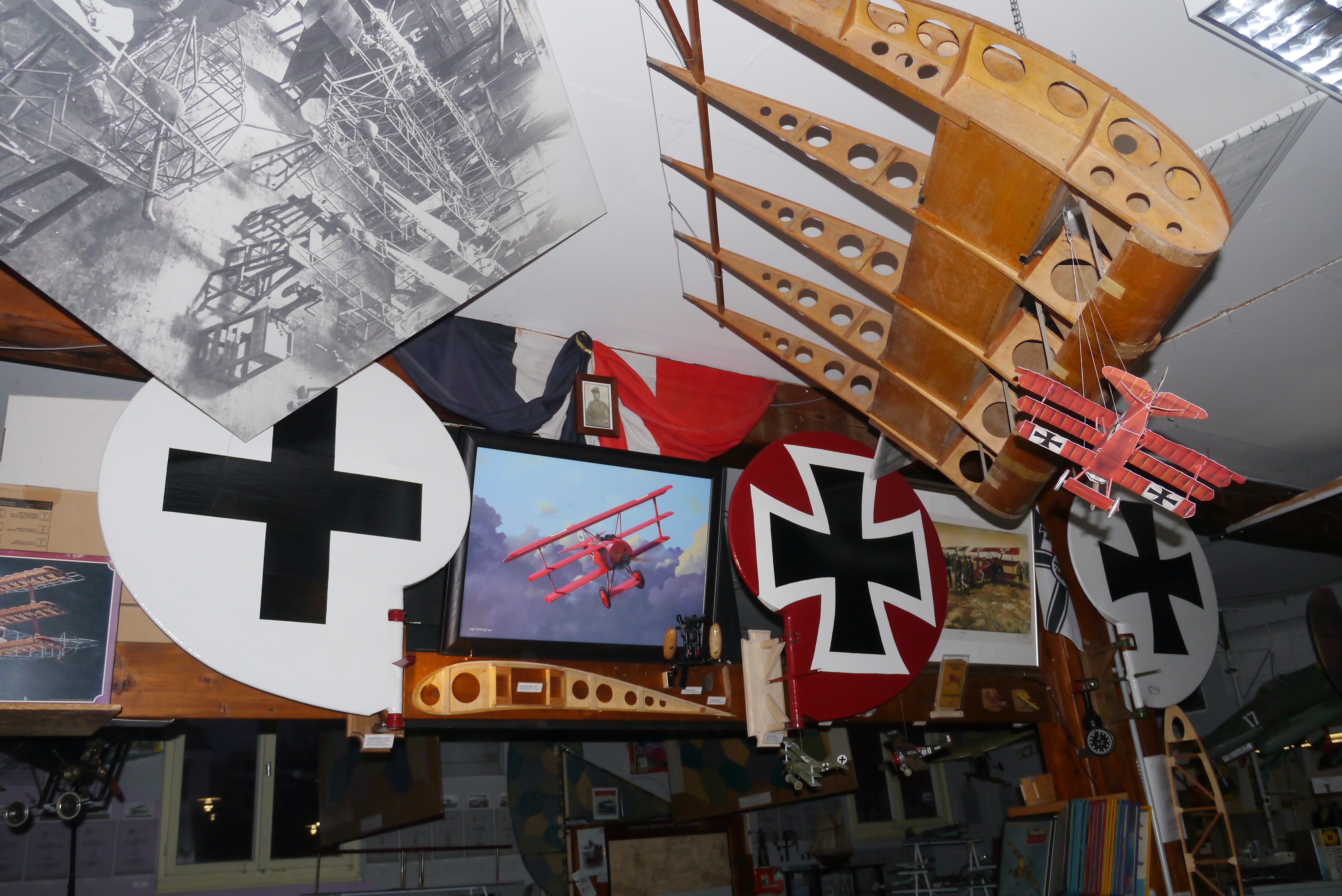
There are now also several wing ribs and wing segments on display.
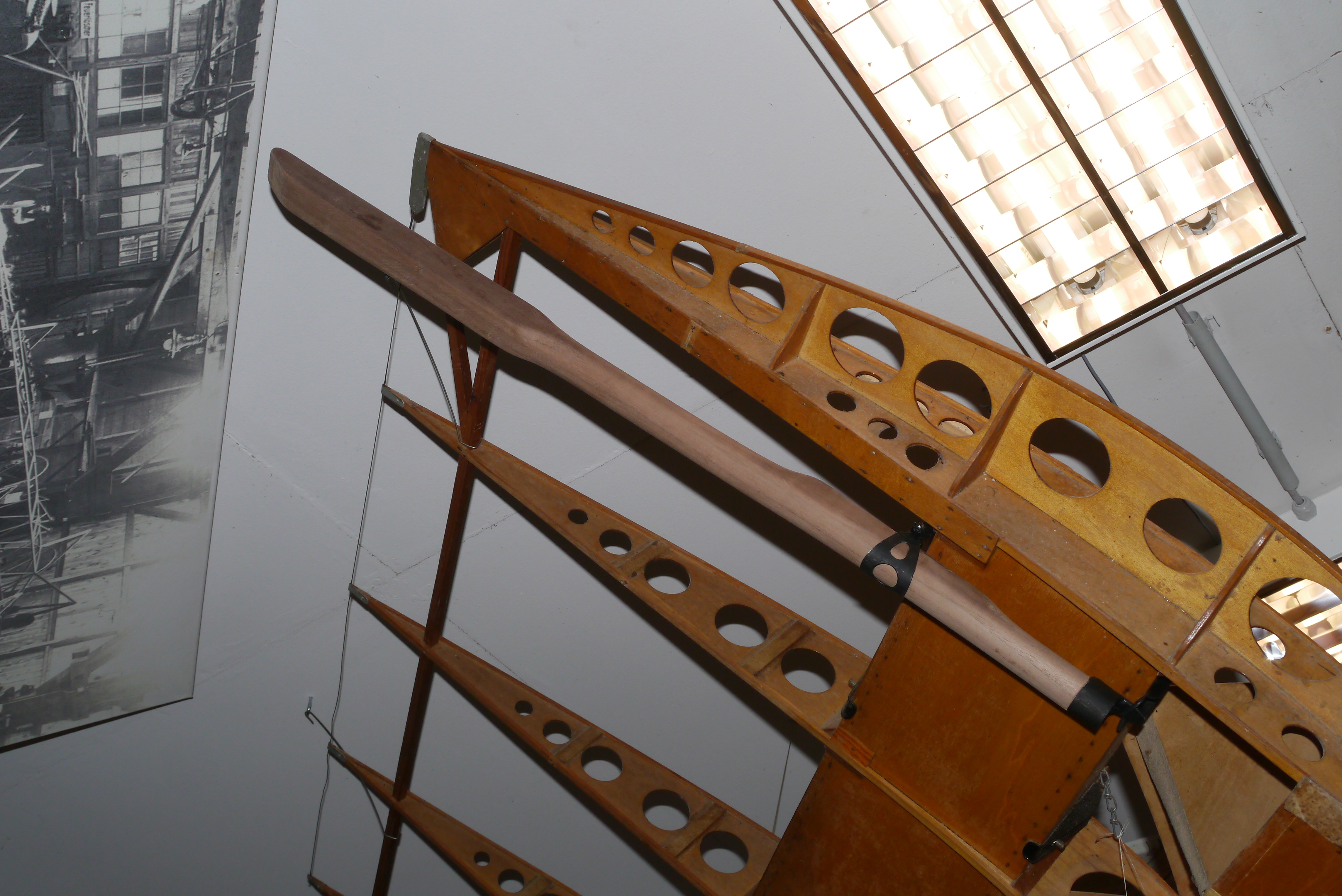
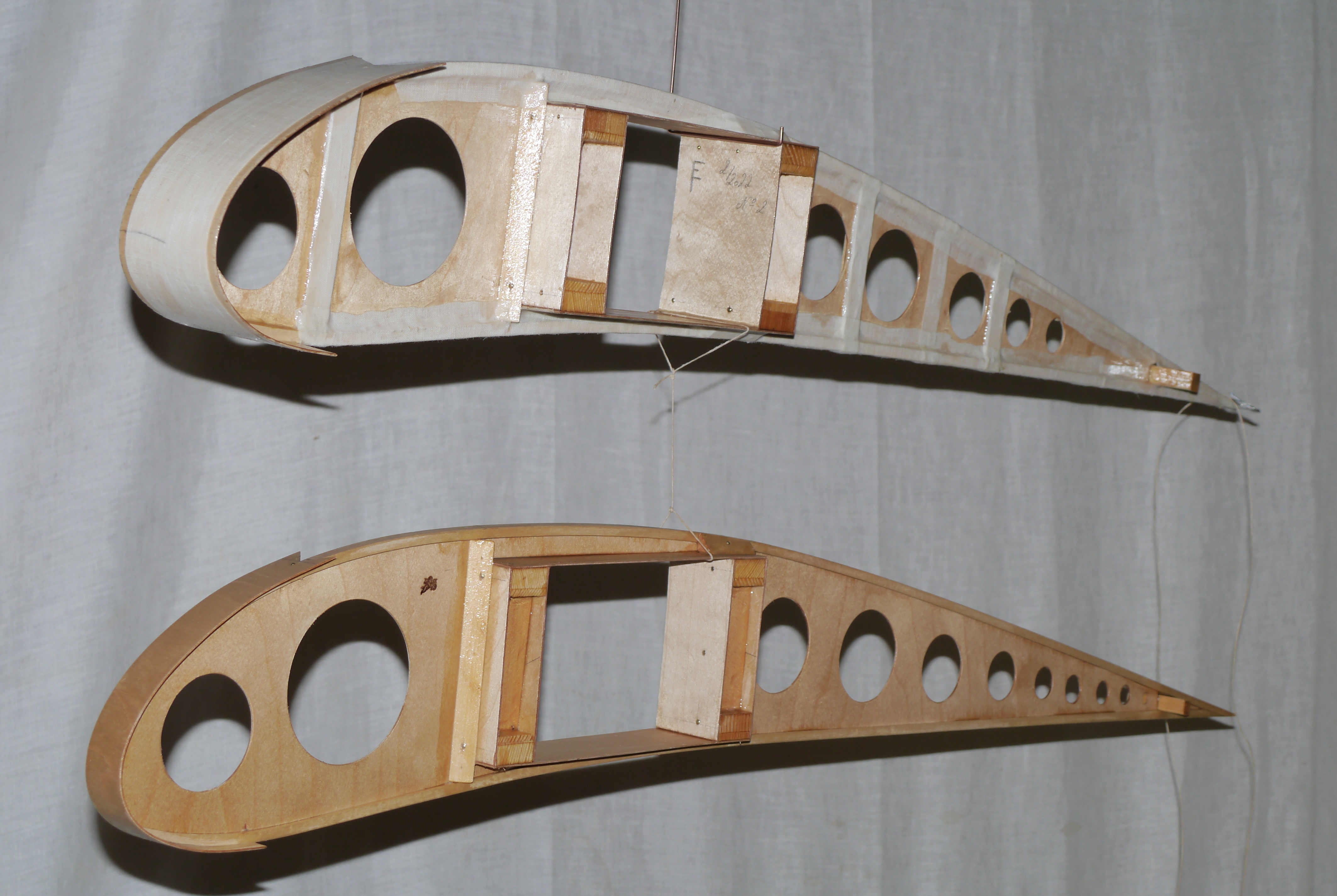
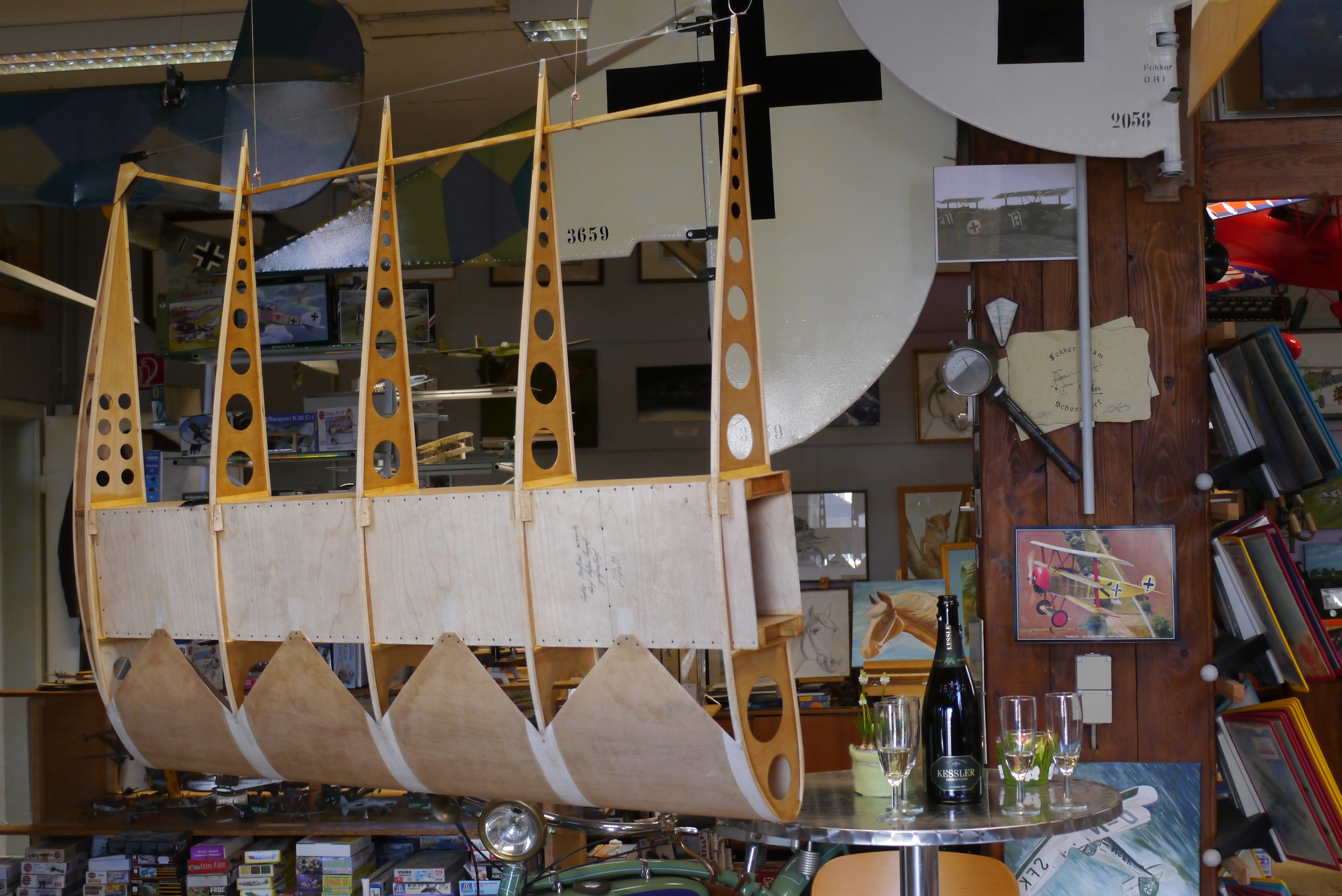
In addition, the wing segment of the triplane's lower wing, which was already built thirty years ago, was finally completed in its last series version with the wing skid
and hung in the collection. In addition, a wing segment of the pre-series triplane was made as a comparison to this and so the two construction versions can now be compared directly side by side.
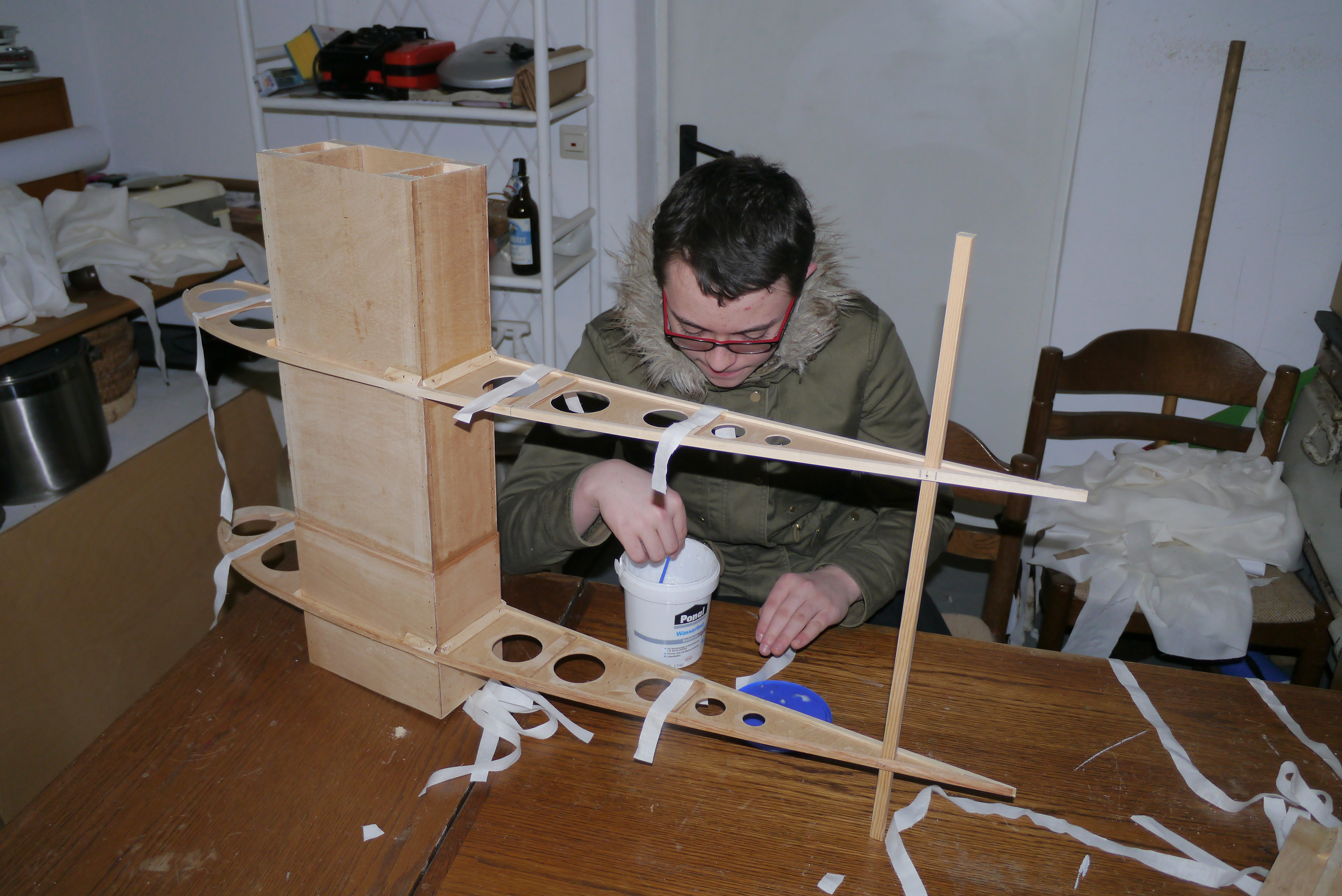
Our 14 year old Finn is turned away at school every morning and is not allowed to enter the school building due to the current spreading idosyncracy of the population. So, in addition to the lessons at home, a little handicraft education starts -
I prefer that and the boy has more of this.
He loves teh work and has built his first wing ribs as learning pieces. He can be very proud of this.
For the exhibition, he has made a small wing segment consisting of two wing ribs of the triplane, which illustrates the doubling of the spar's plywood planking and its
End towards the outside. It became a very nice display piece and is very instructive.
A tiny von Richthofen and Triplane memorial corner was set up, too
Here are the latest images for those who can not come and visit.
13th of August 2021:
Current things: Again there is a great deal of news to report on.
MUSEUM FÜR FLUGZEUGBAU UND TECHNISCHE GESCHICHTE (MFtG) - WÄSCHENBEUREN
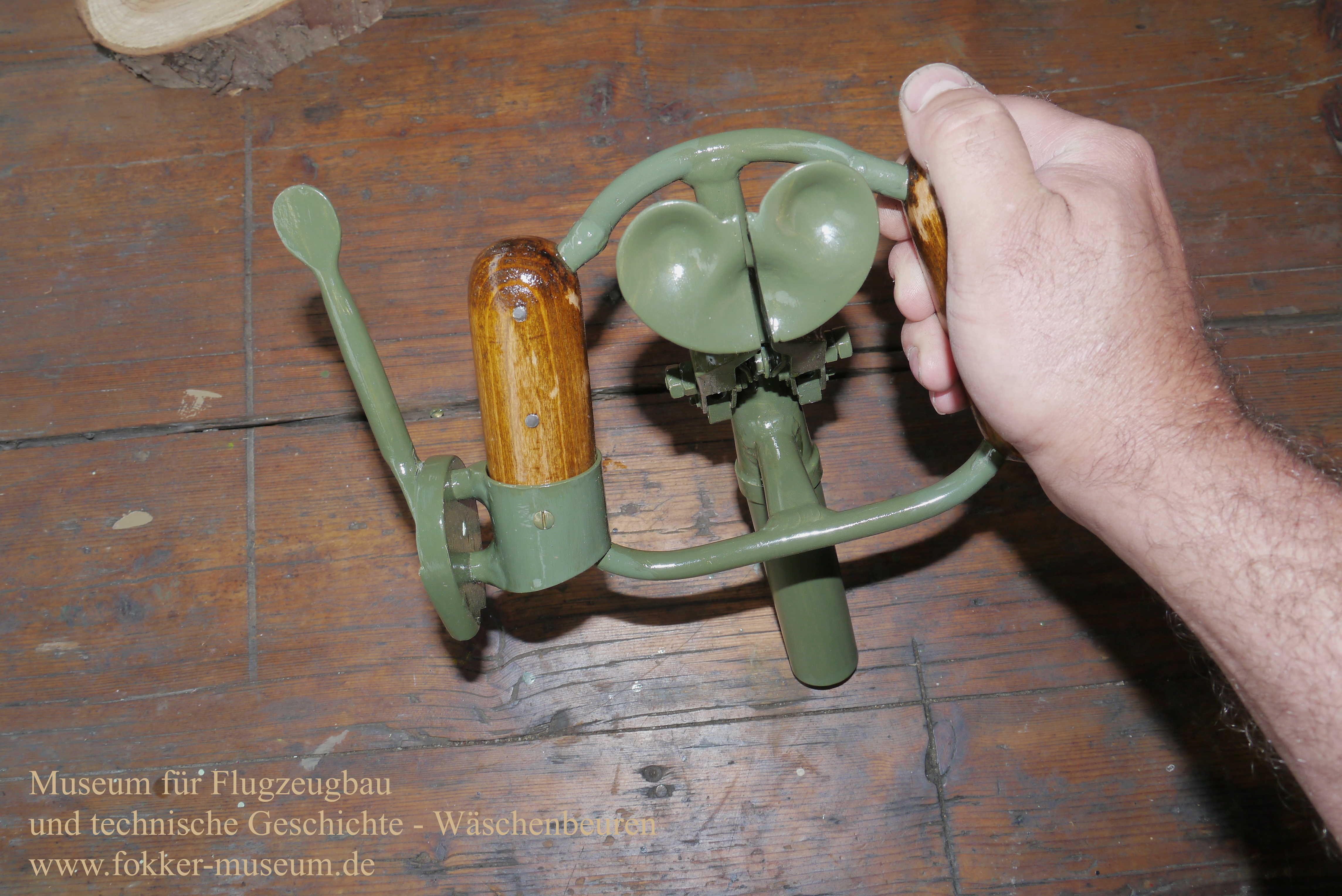
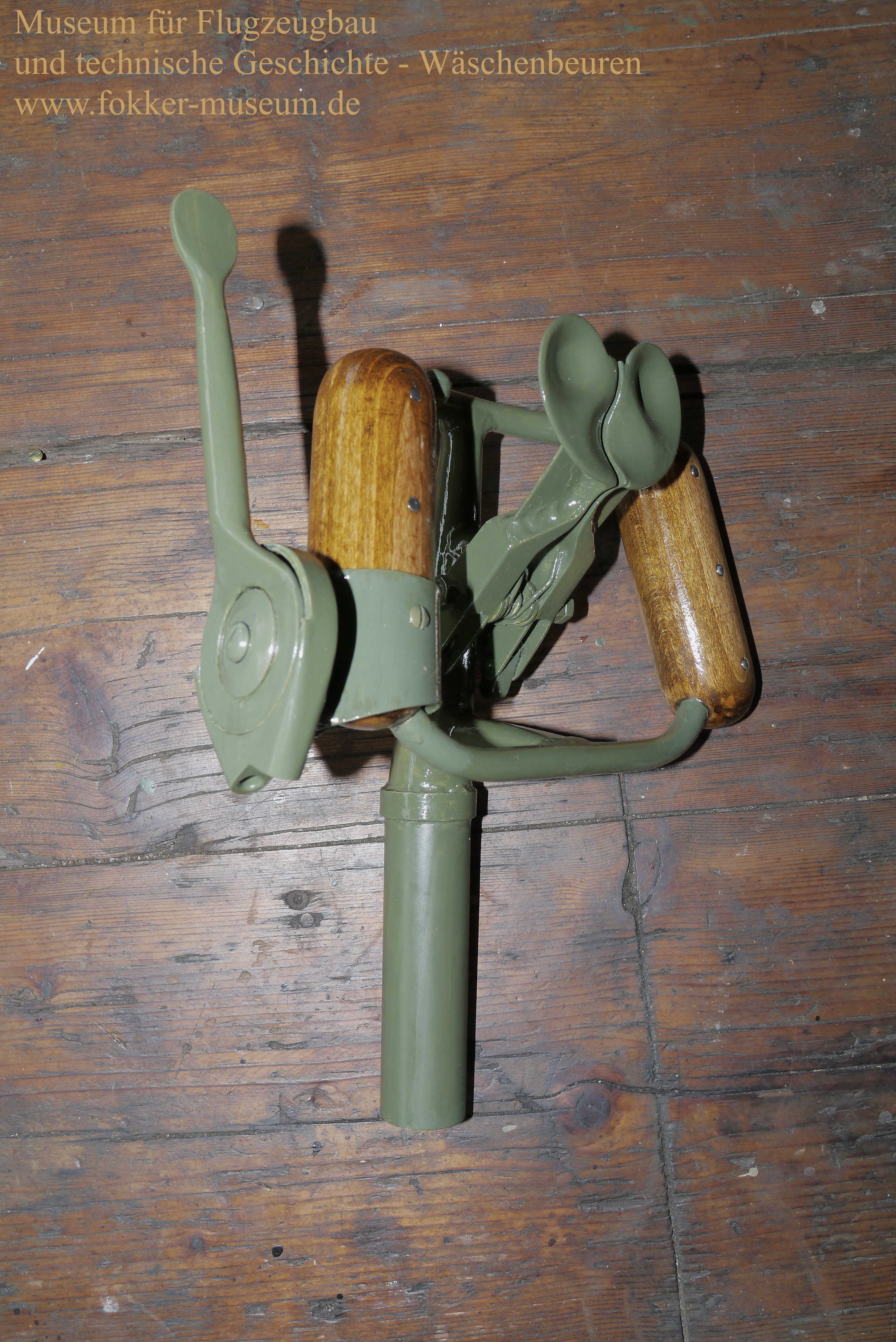
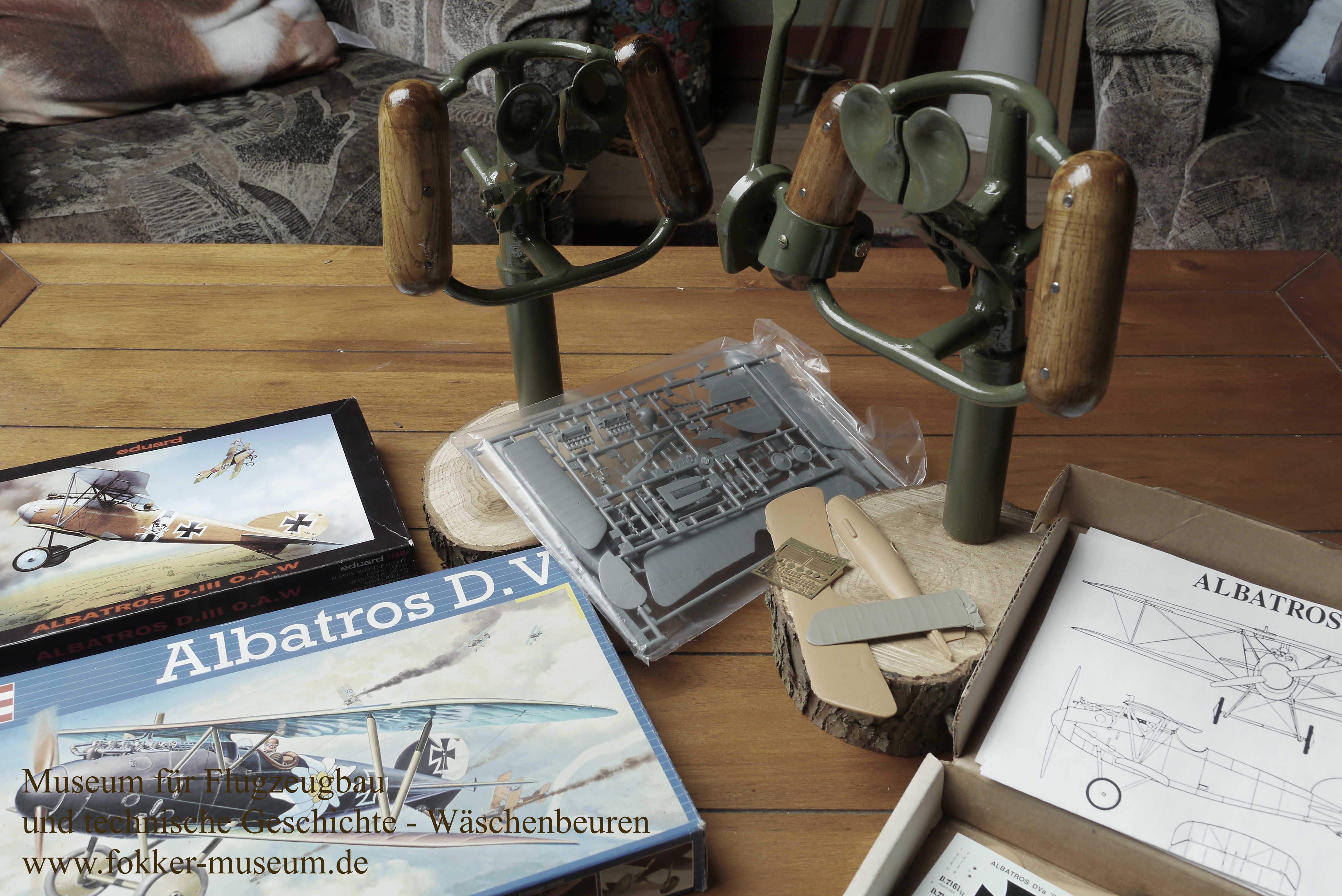
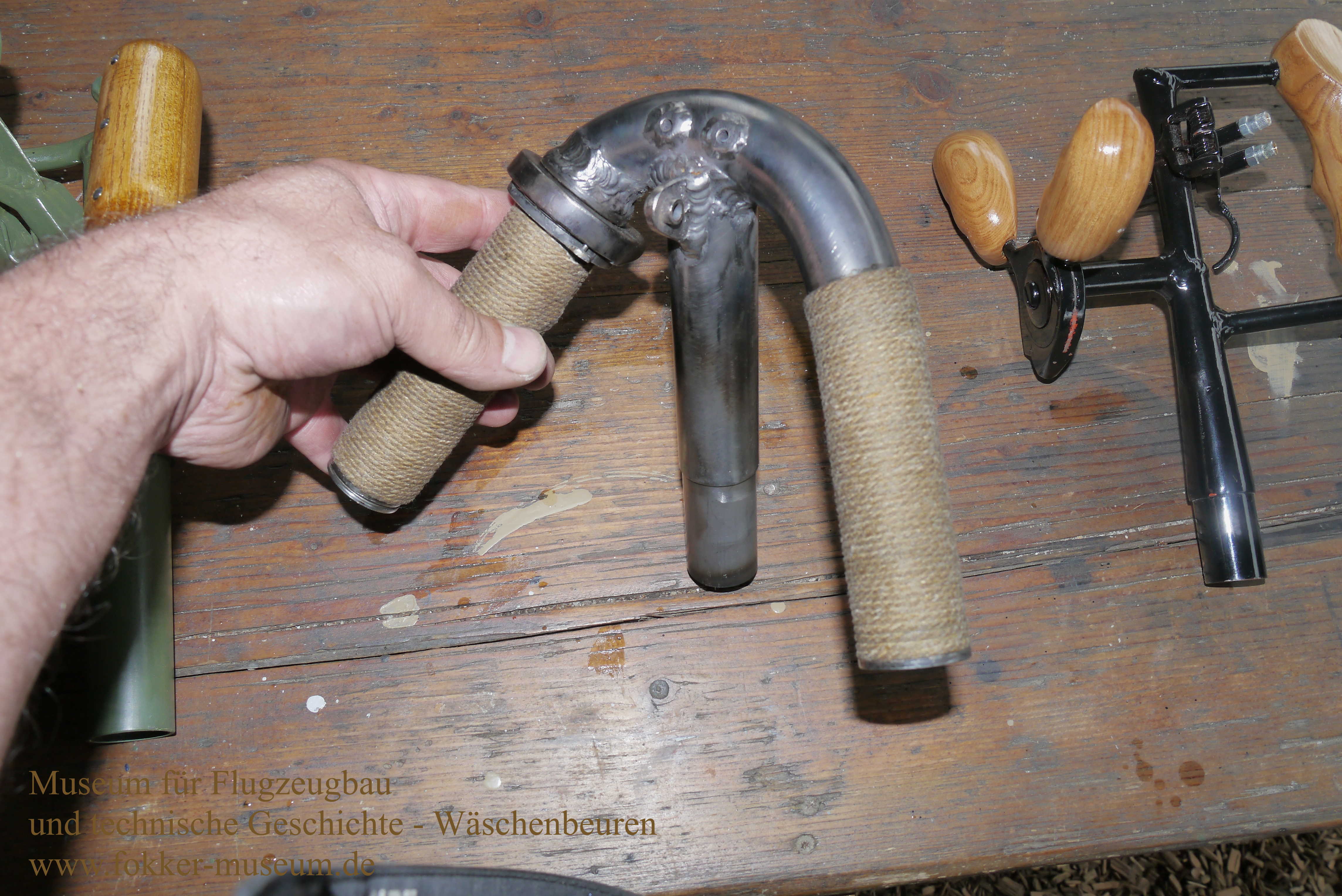
After we have reproduced all of the control stick handles designed and built by Fokker for the museum exhibition, we wanted to put the handle of the Albatros D.Va alongside as a comparison.
The original handle from Michael Doveton's collection, which unfortunately has since been sold again, served as a historical template for this.
We made ten of these handles, two of them remained in the collection. 6 have already gone to collectors worldwide and there are still 2 that can be the subject of a trade. Just contact us if you are interested.
The most technically interesting thing about these Albatros grips is their weight. While at Fokker a lot of time was devoted to the design of new grips that met the Idflieg requirement for the additional throttle lever for the left hand, Albatros simply provided the already very heavy handle with a throttle lever that was attached to the left grip by means of a heavy steel clamp. For comparison: The handle of the Fokker D.VII weighs 620 grams, that of the Albatros 1050 grams.
We have now also been able to reproduce the handle of the Pfalz D.III for the collection. Copies of this are also still available.
Our museum contributions on YouTube are also new. There is now a workshop show in which, among other things, the construction of the handles is documented and other works of the museum can be seen. You can find all of this in our channel: "Achim Engels - Museum f. Flugzeugbau". We are now also represented on Facebook with our own group under the name "Museum für Flugzeugbau und technsiche Geschichte - Wäschenbeuren".
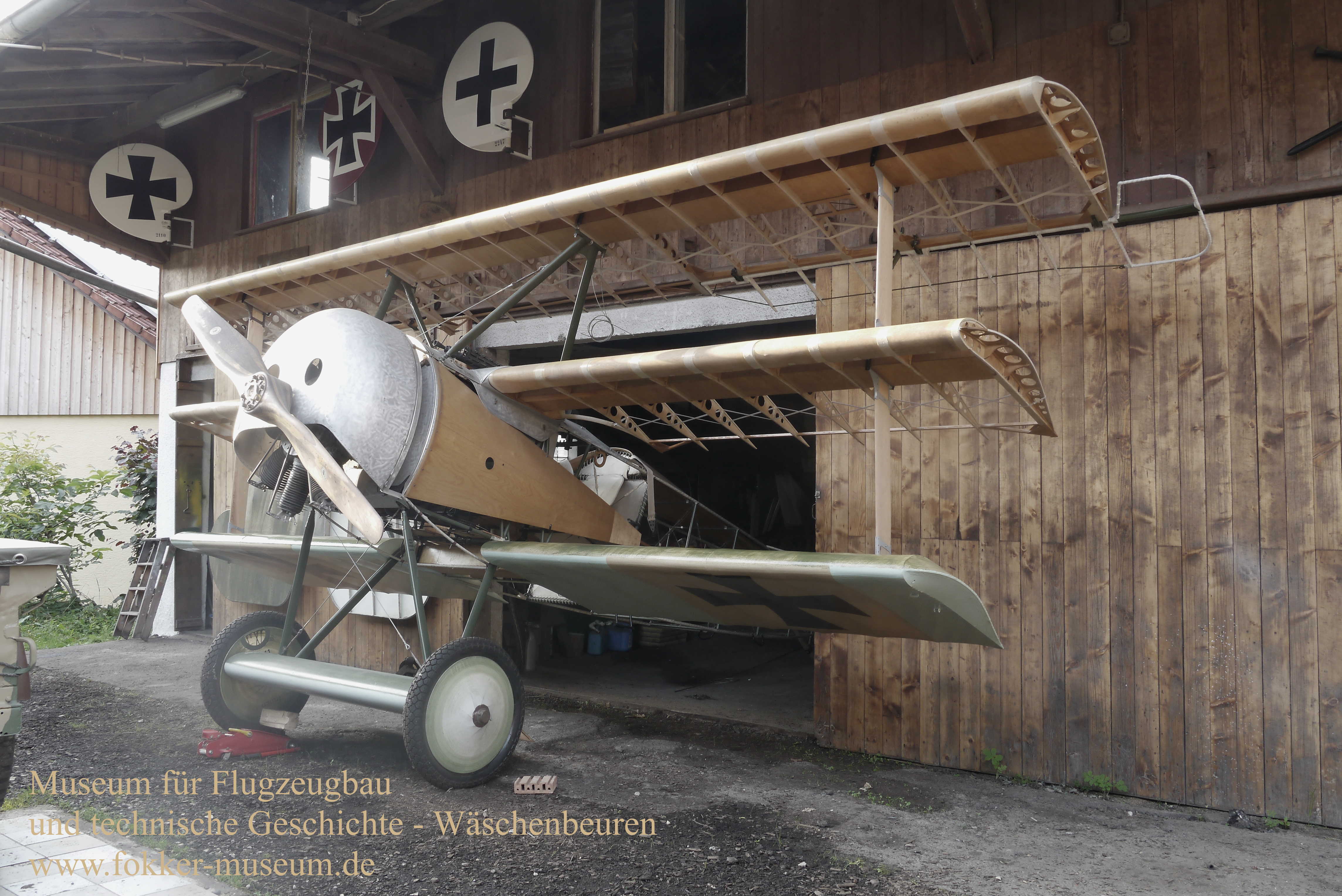
As far as the long-planned expansion of our museum by roofing the courtyard between our two halls is concerned, this also seems to be progressing. The rough draft has now been completed and planning is underway.
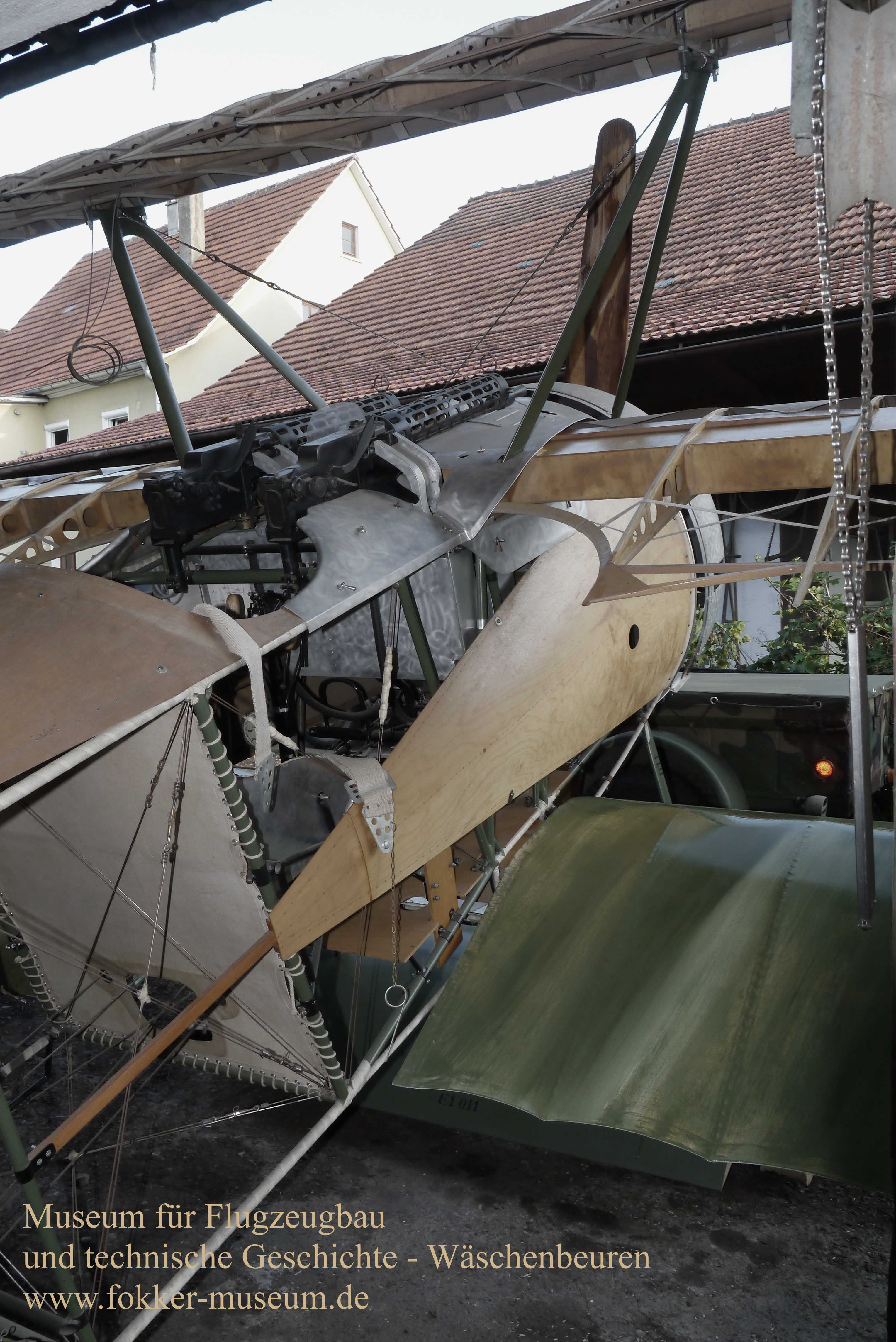
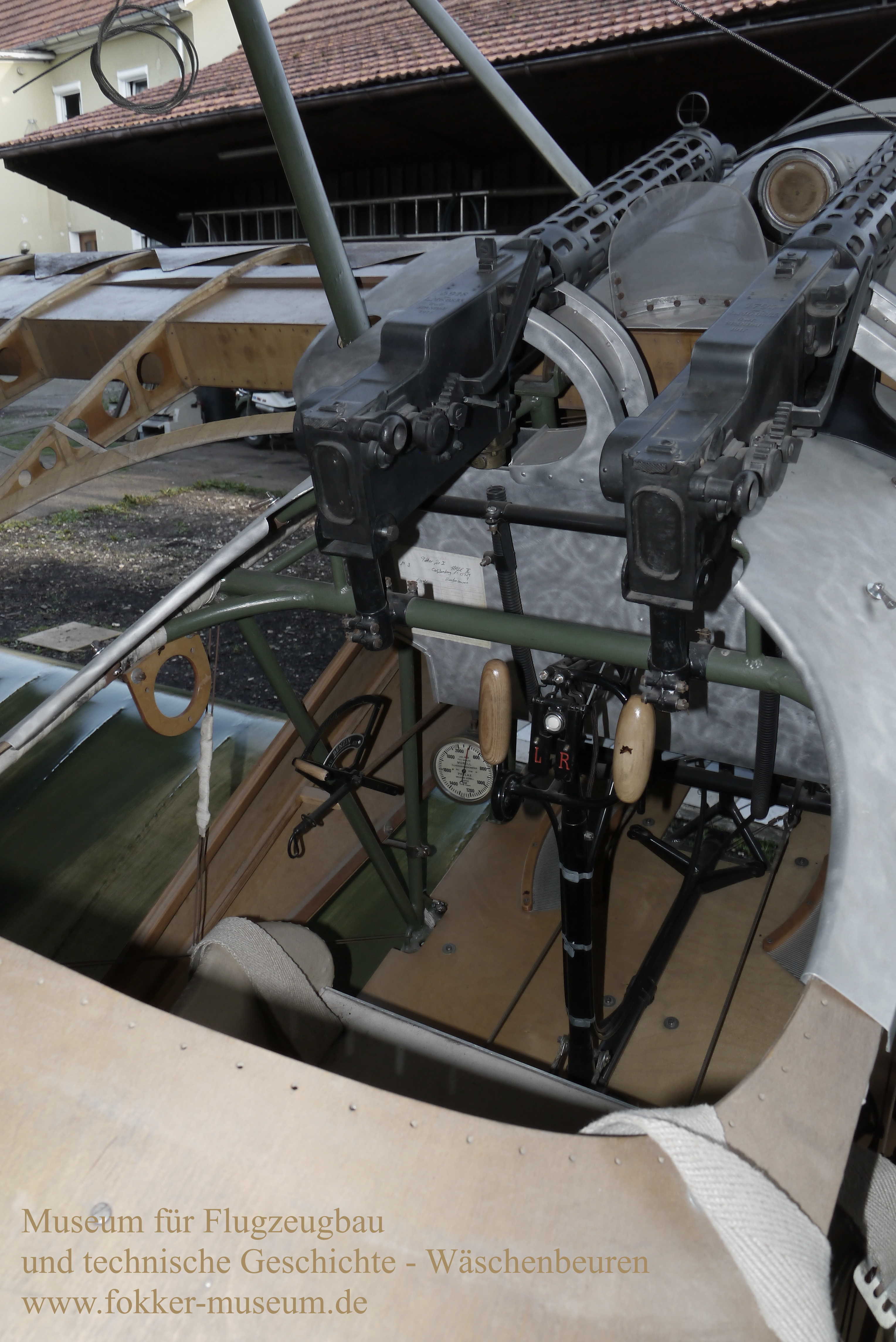
Since then we have only been able to set up the planes on nice days because there was no roofed space. Up to and including this Saturday, the three-decker can still be admired assembled.
Latest News as of 18th of March 2021:
News: A lot has happened again in the past month. First is the foundation of the
MUSEUM FÜR FLUGZEUGBAU UND TECHNISCHE GESCHICHTE (MFtG) - WÄSCHENBEUREN
The museum now also has its own Facebook page under the title "Museum für Flugzeugbau und technische Geschichte - Wäschenbeuren"
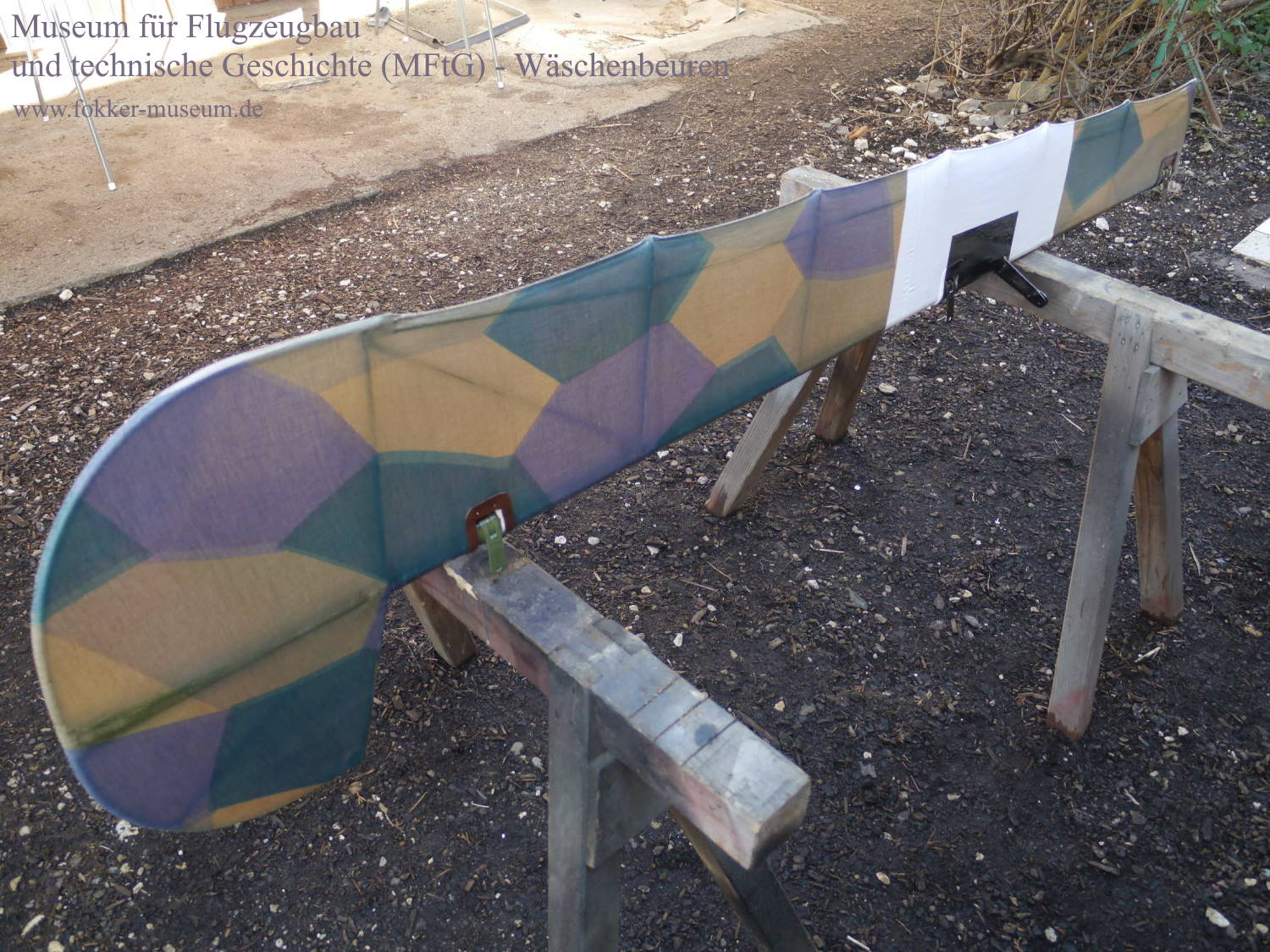
New exhibits have also been created in the workshops. For the Fokker D.VII 228/18, which is currently under construction, the ailerons were prepared for the covering and an additional aileron was also made as an exhibit. In contrast to 228/18, this exhibition aileron is covered with 4-colored aircraft fabric, as was the case with the first series machines.
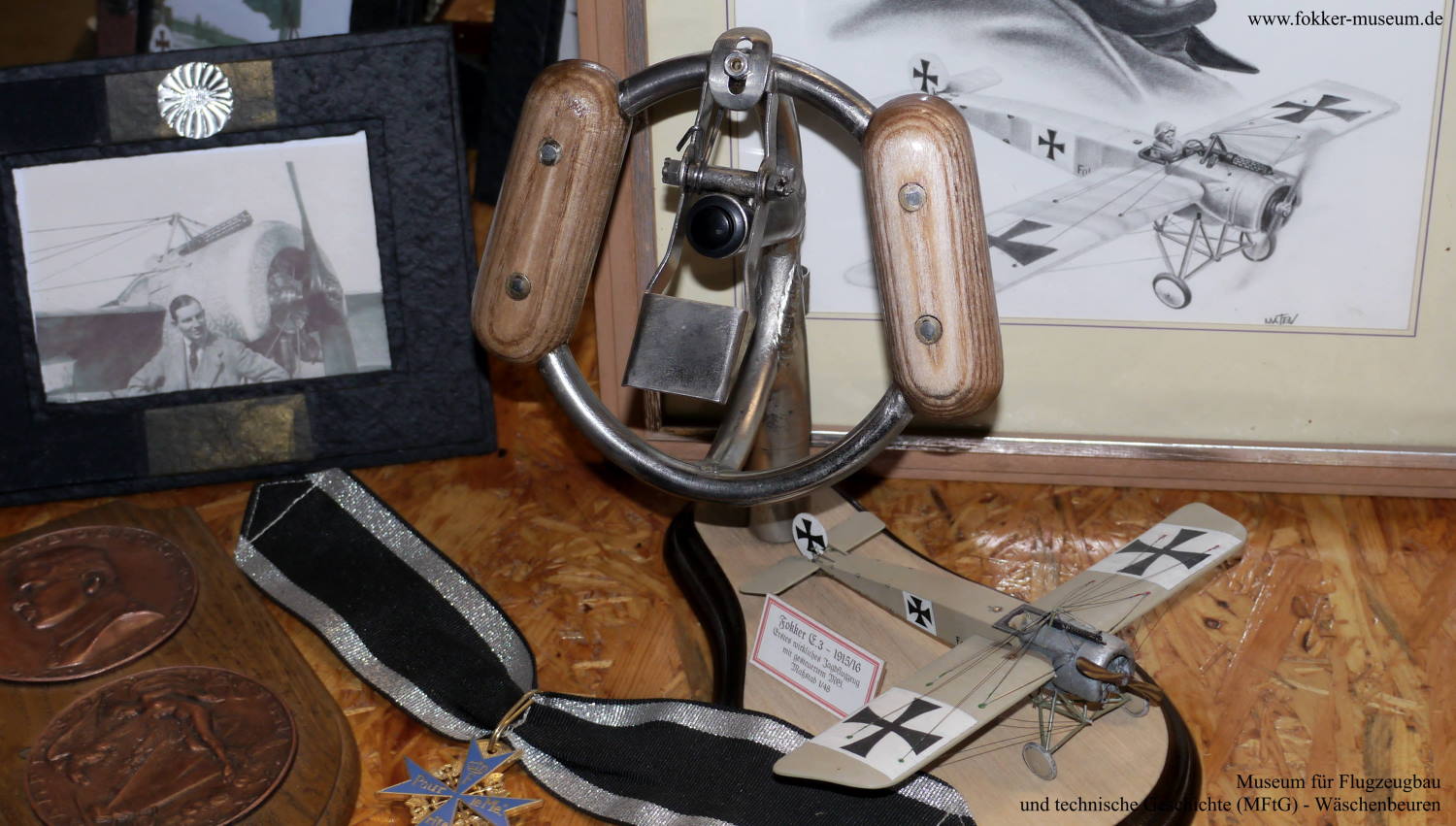
In addition, the previously missing version with the first round main frame and the first version of the trigger device was released for the collection of all Fokker control stick grips. The special features of this design are the 13mm main frame structure, the flattened assembly neck and the nickel-plating of the metal surface
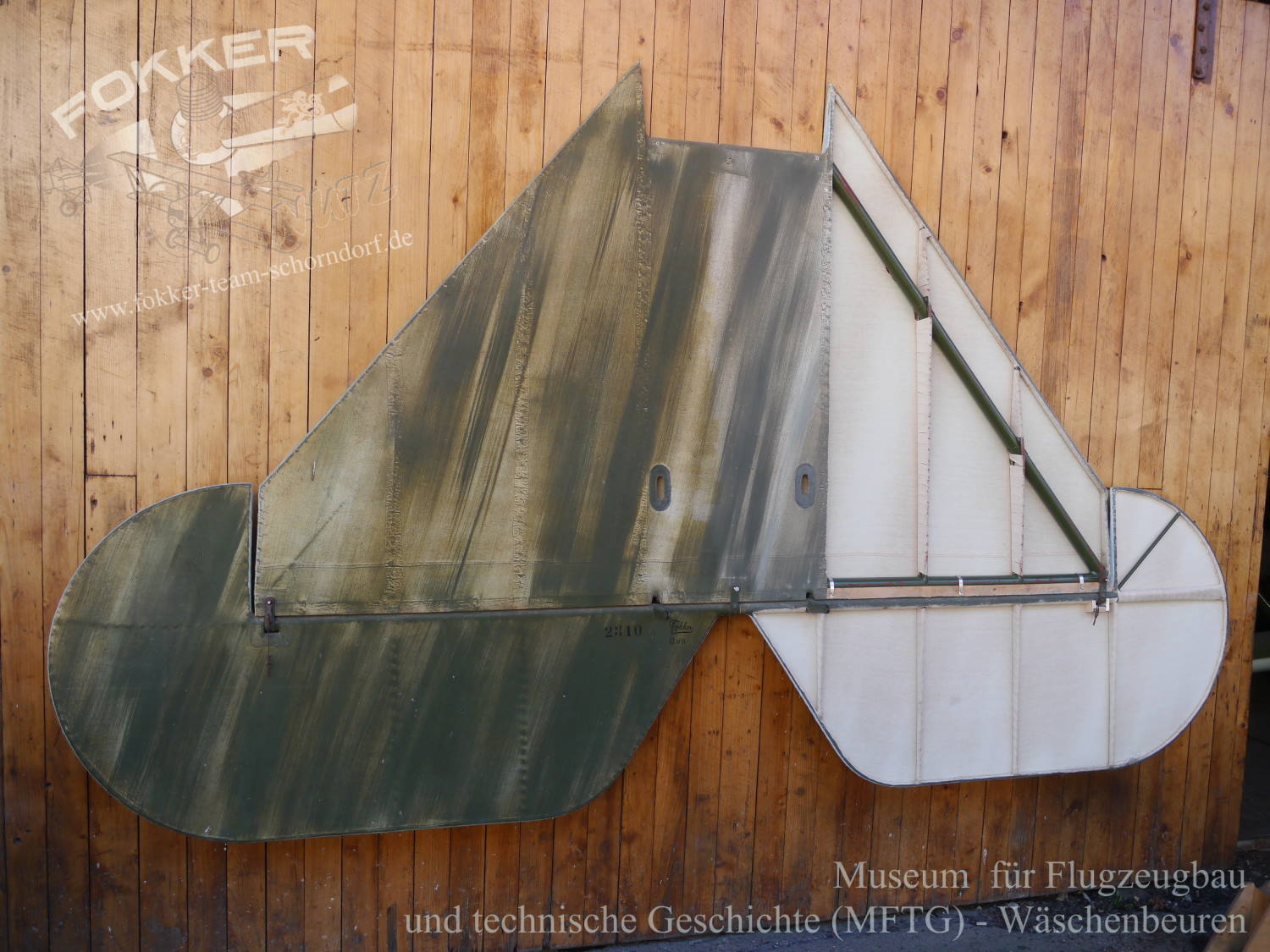
The long-term test of the covering of our tail unit of the Fokker D.VII 228/18 was finished and one side of the horizontal tail unit was cut open so that the inner workings can now be seen in the exhibition. The separated pieces of the covering can currently be auctioned on E-Bay, you can bid on it to support our work.
February 8th 2021:
Reminder: I just wanted to remind you of the fact, that we are trying to set up a small aviation museum. In order to achive this we require a new rooftop. As a trade for a new rooftop we offer a Engels E.6 which is currently under construction.
The aircraft will come less engine and certification but with the full built-log, of course. In case of interest contact us. First come, first serve, of course.
Current stage of construction can be followed on our facebook page in a photo Album.
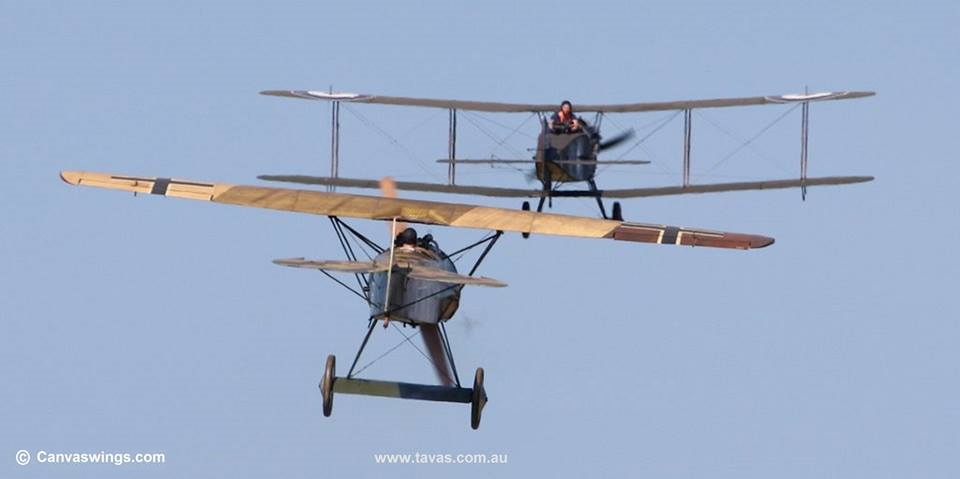
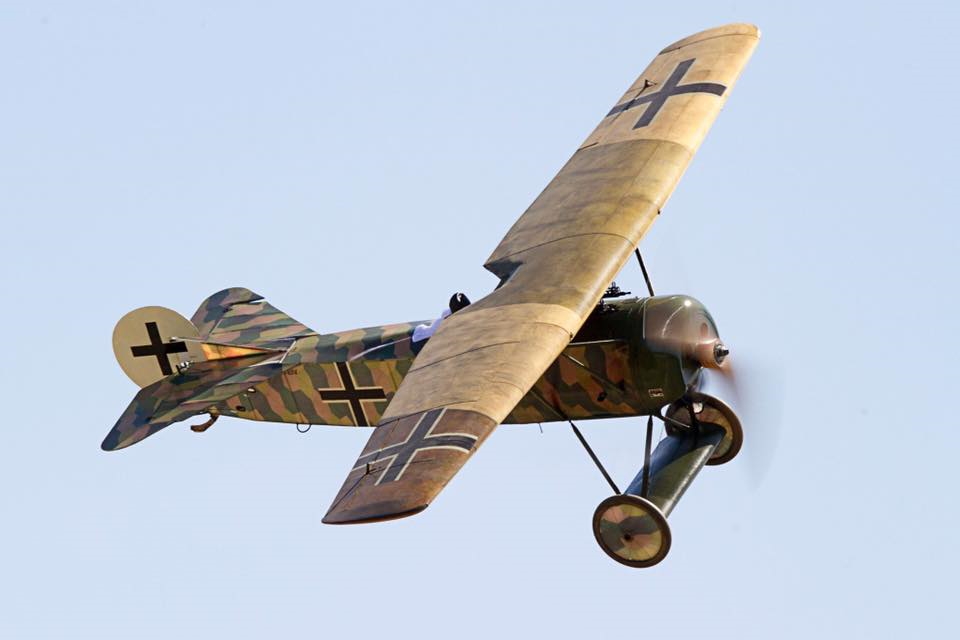
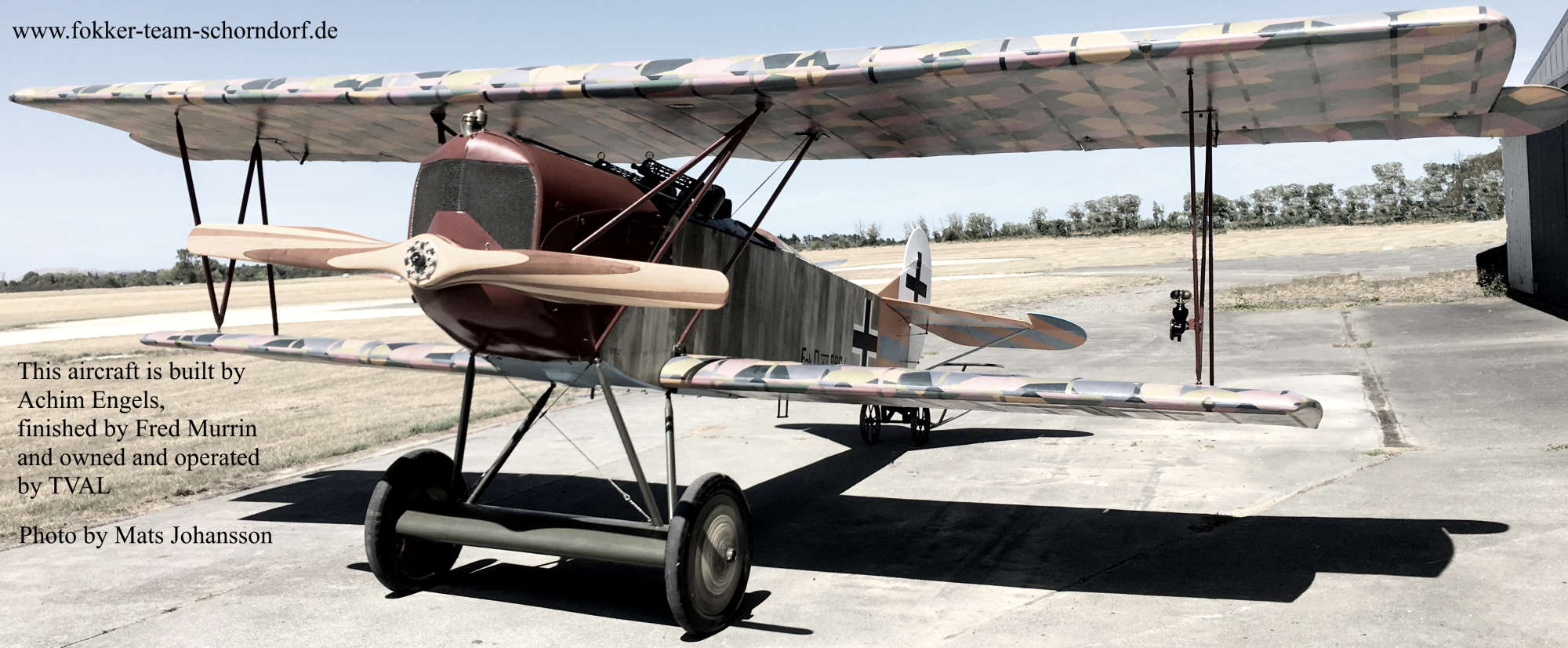
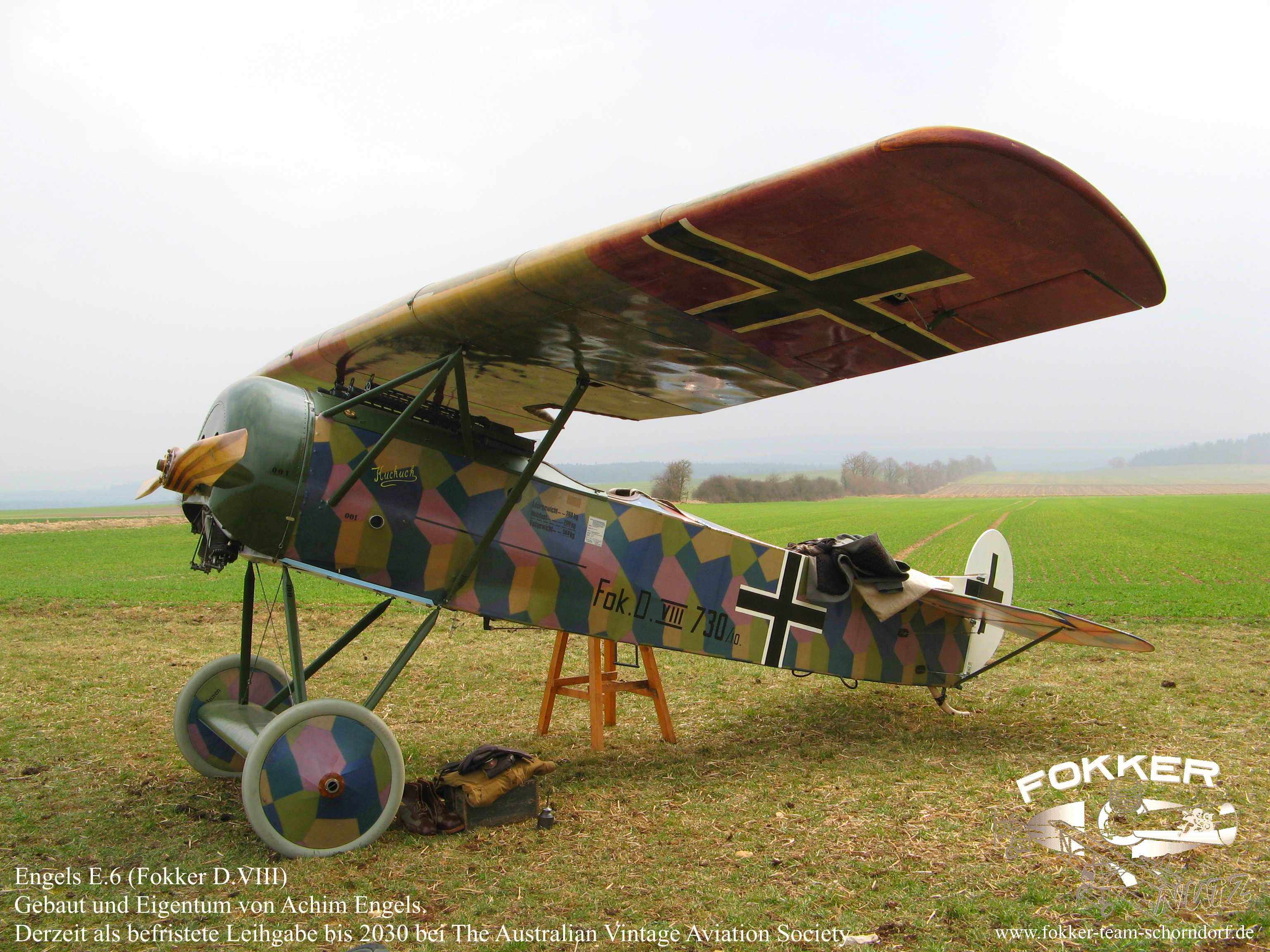
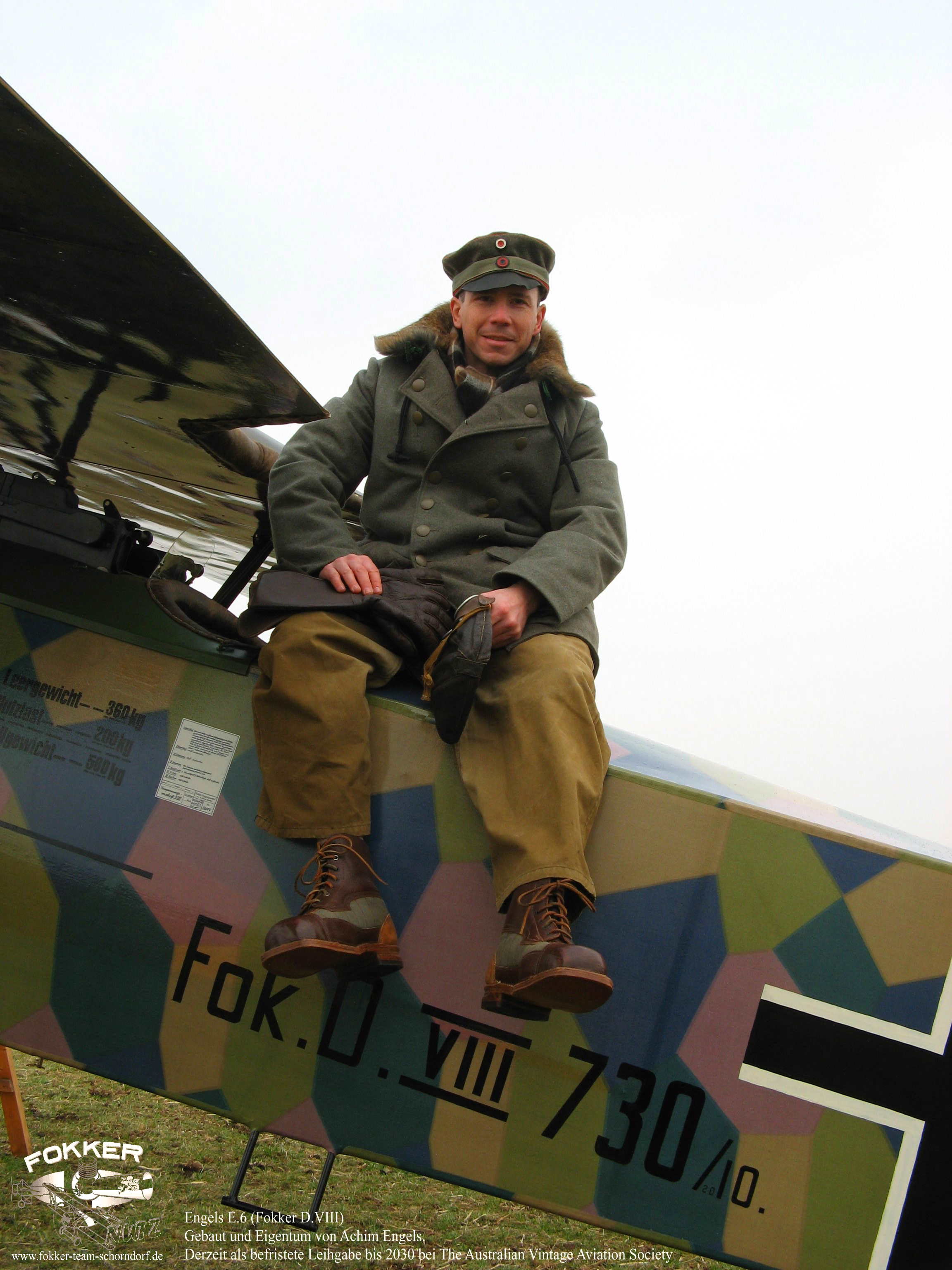
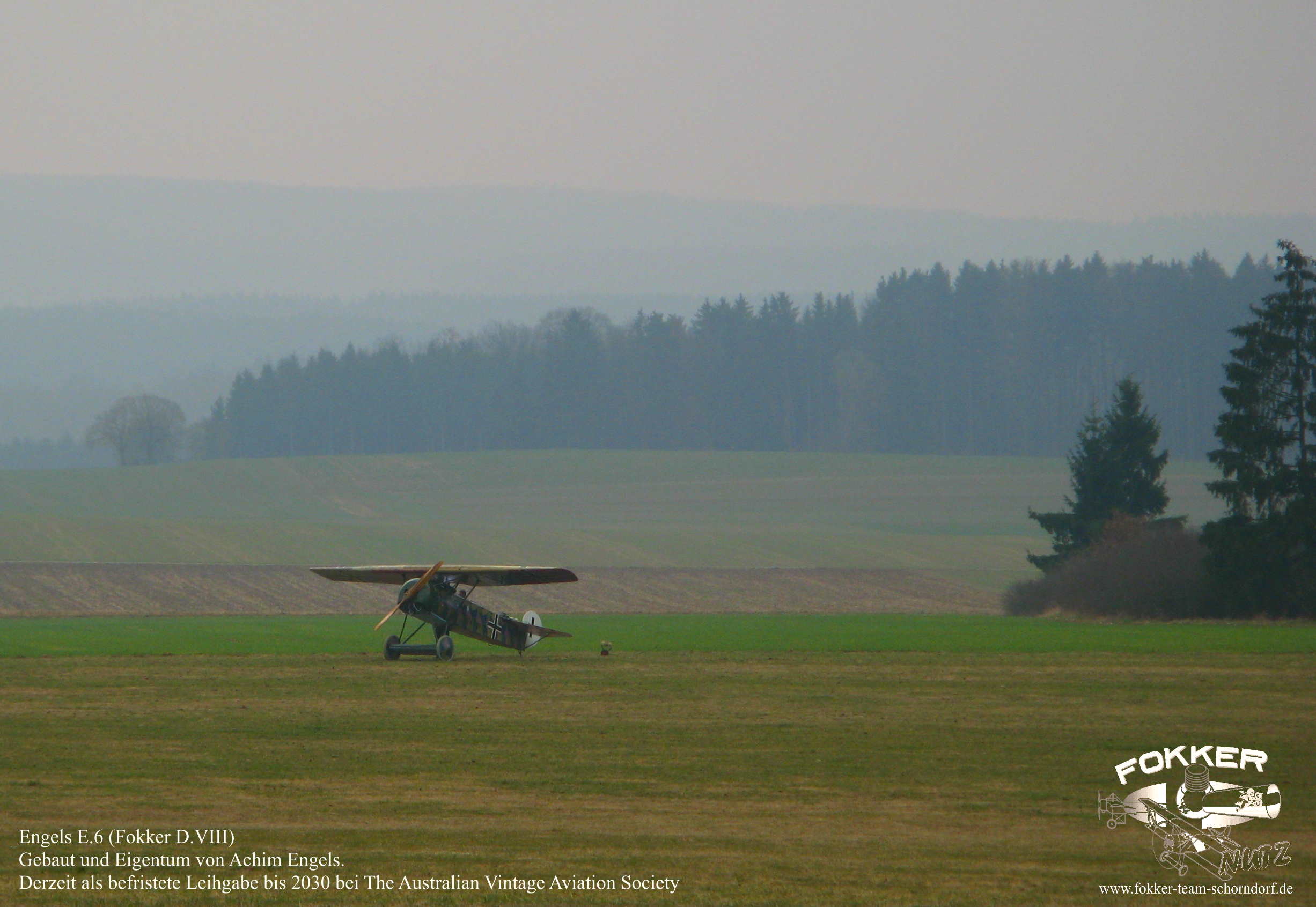
Here are a few shots of another D.VIII I built that is corrently on long term loan to TAVAS and will eventually be part of the museum to be.
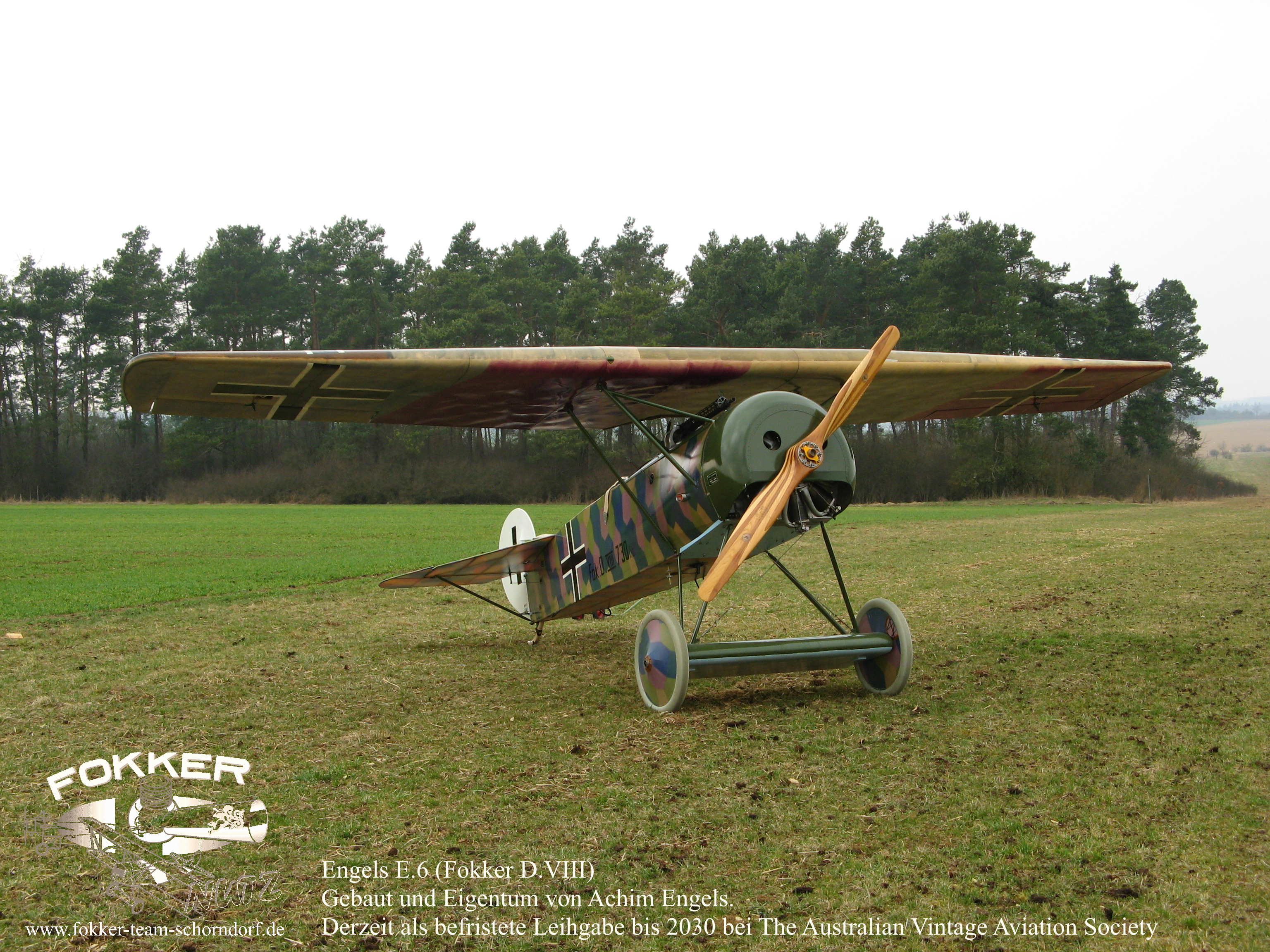
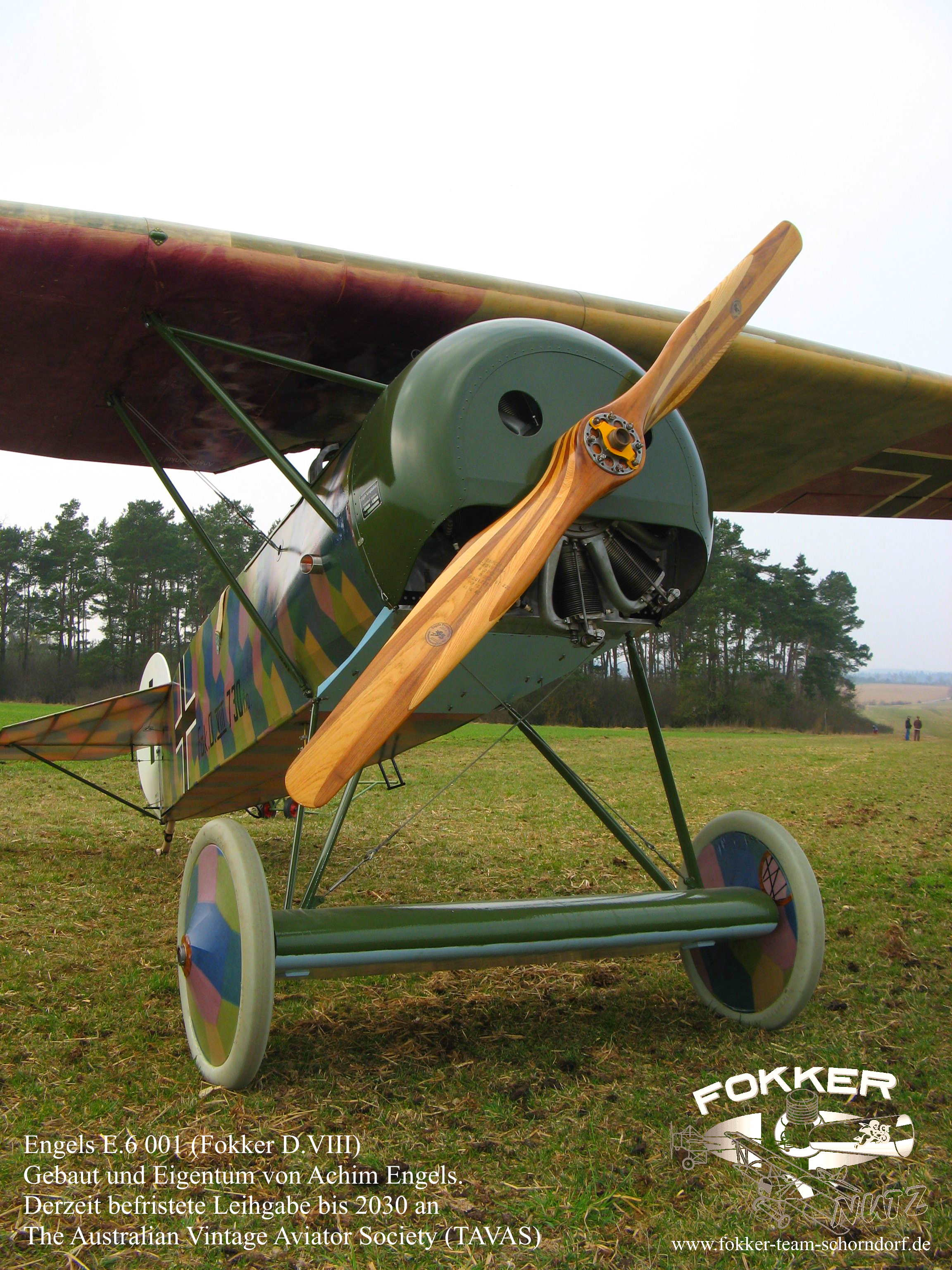
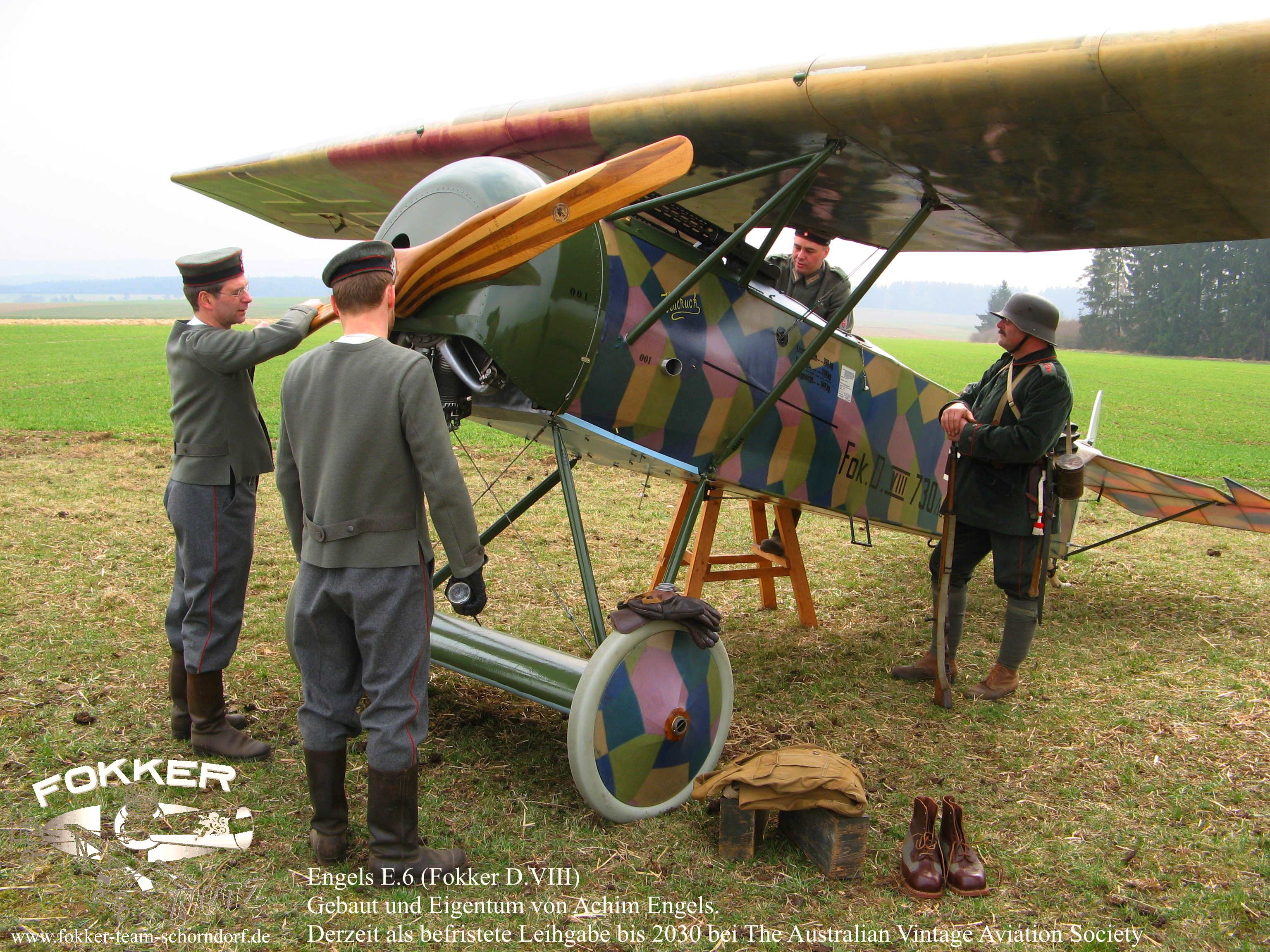
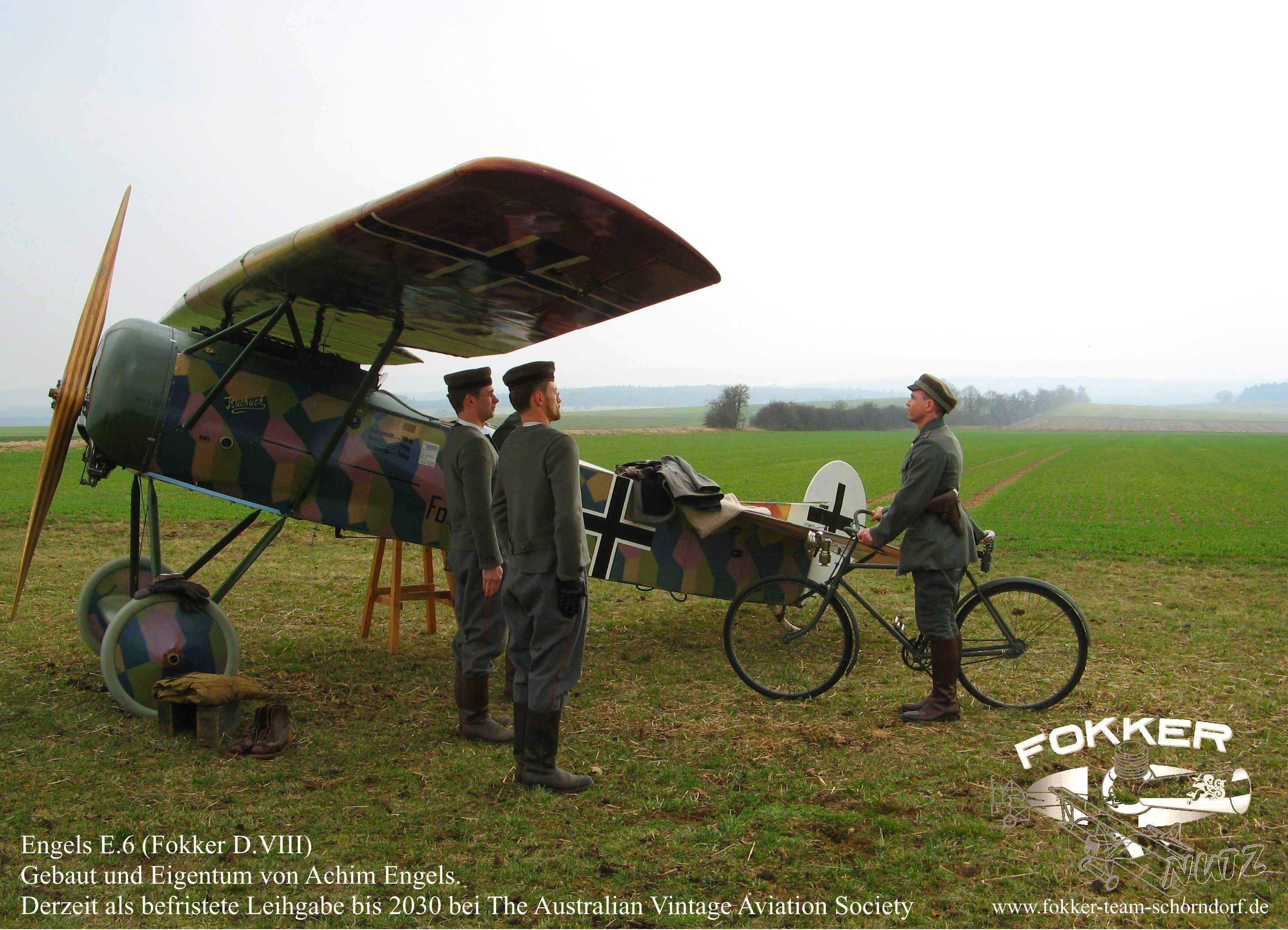
31st of January 2021:
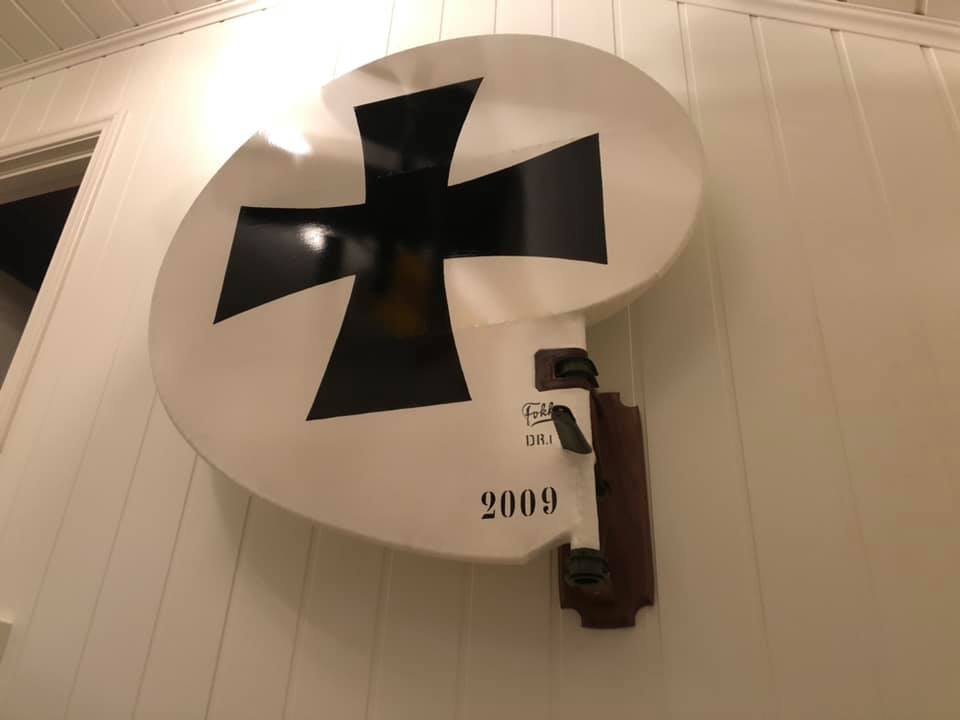
Current work: Engels E.1 (Fokker Dr.I) As some may already know, I am doing a full collection of Fokker Dr.I rudders featuring all national insignia cross styles found on teh triplane.
I will do 12 rudders this year of which 6 will remain with the collection. The other six rudders are available for trade. Four are already gone so only two are left. In case of interest contact me.
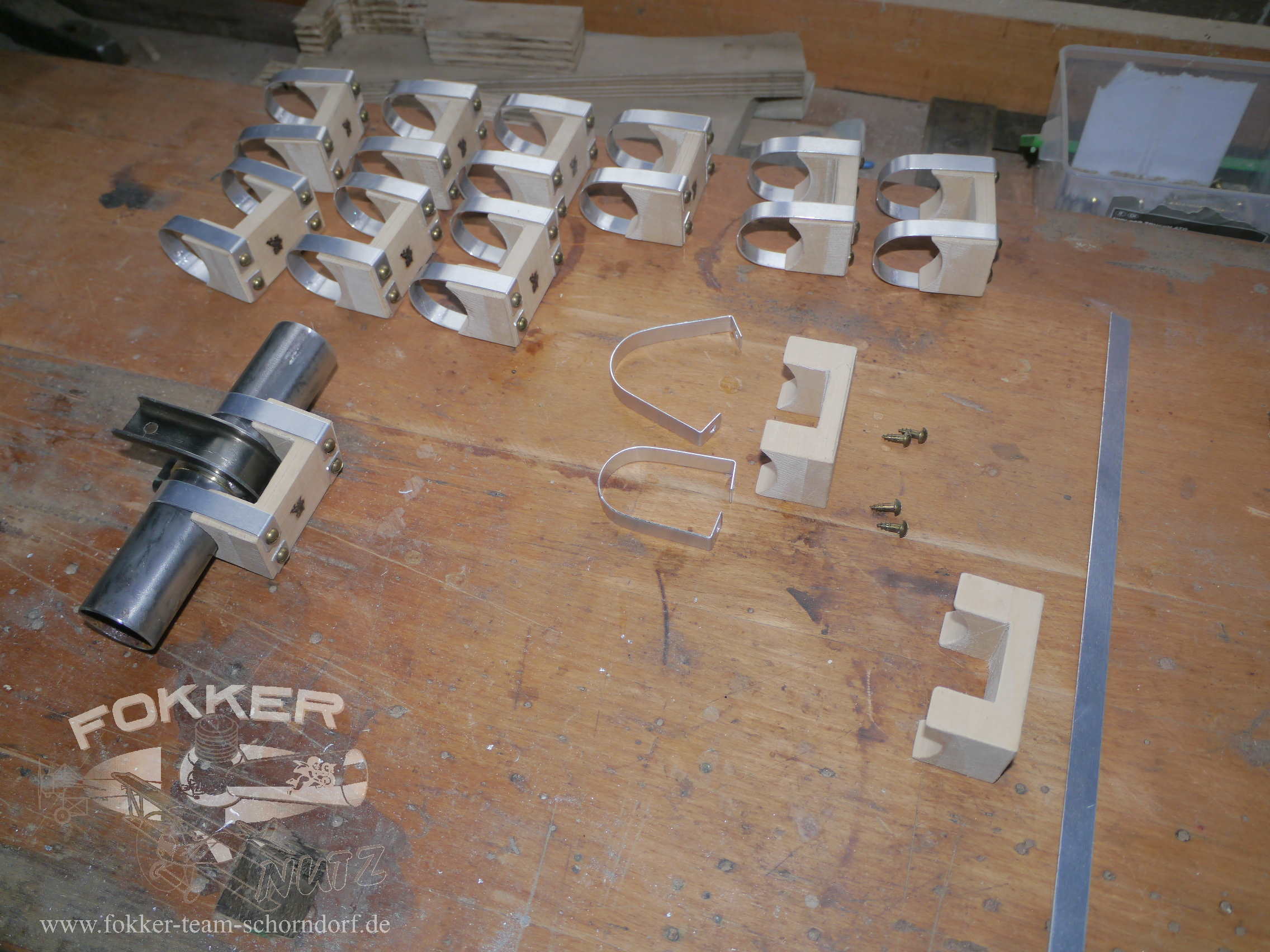
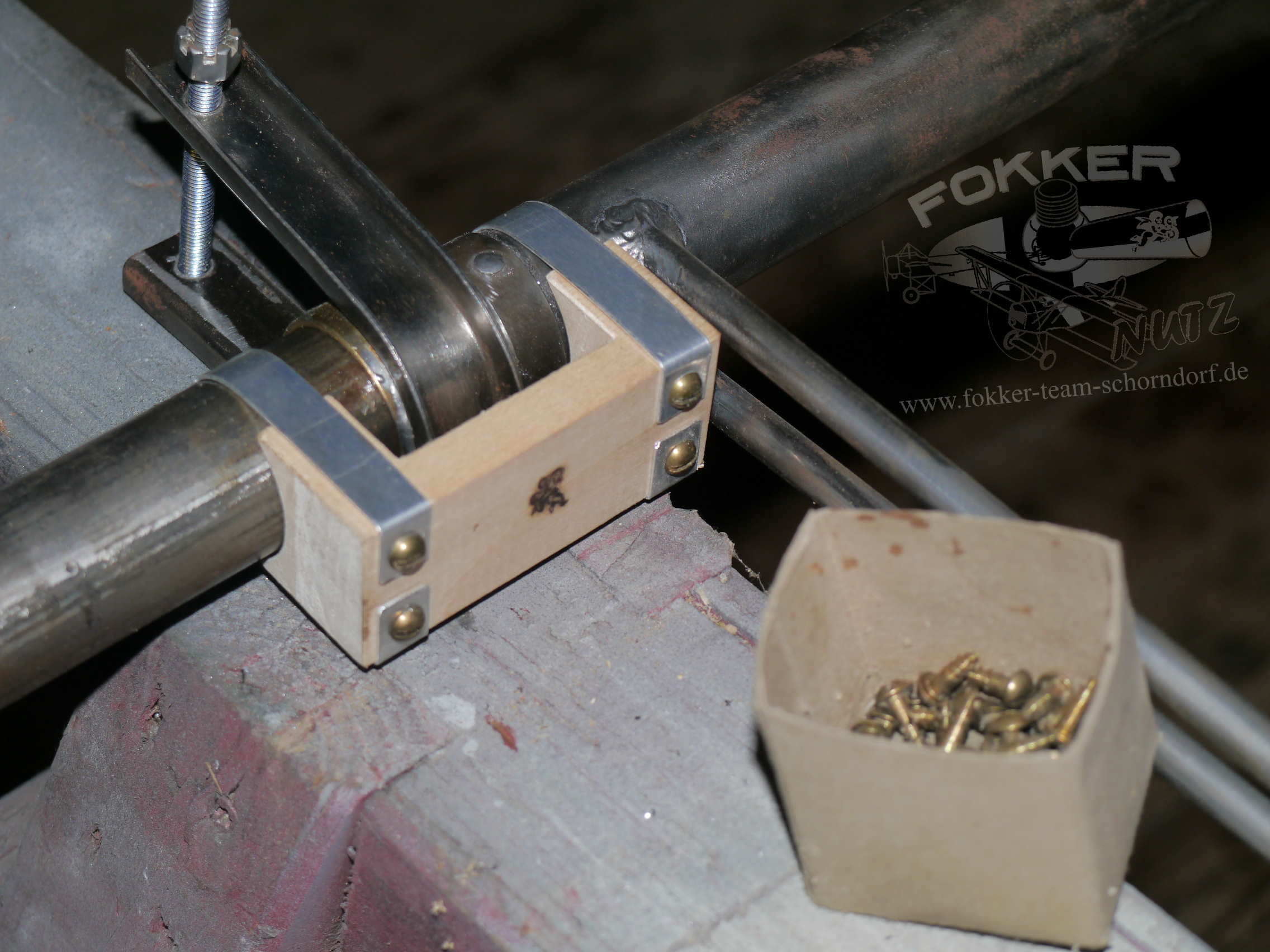
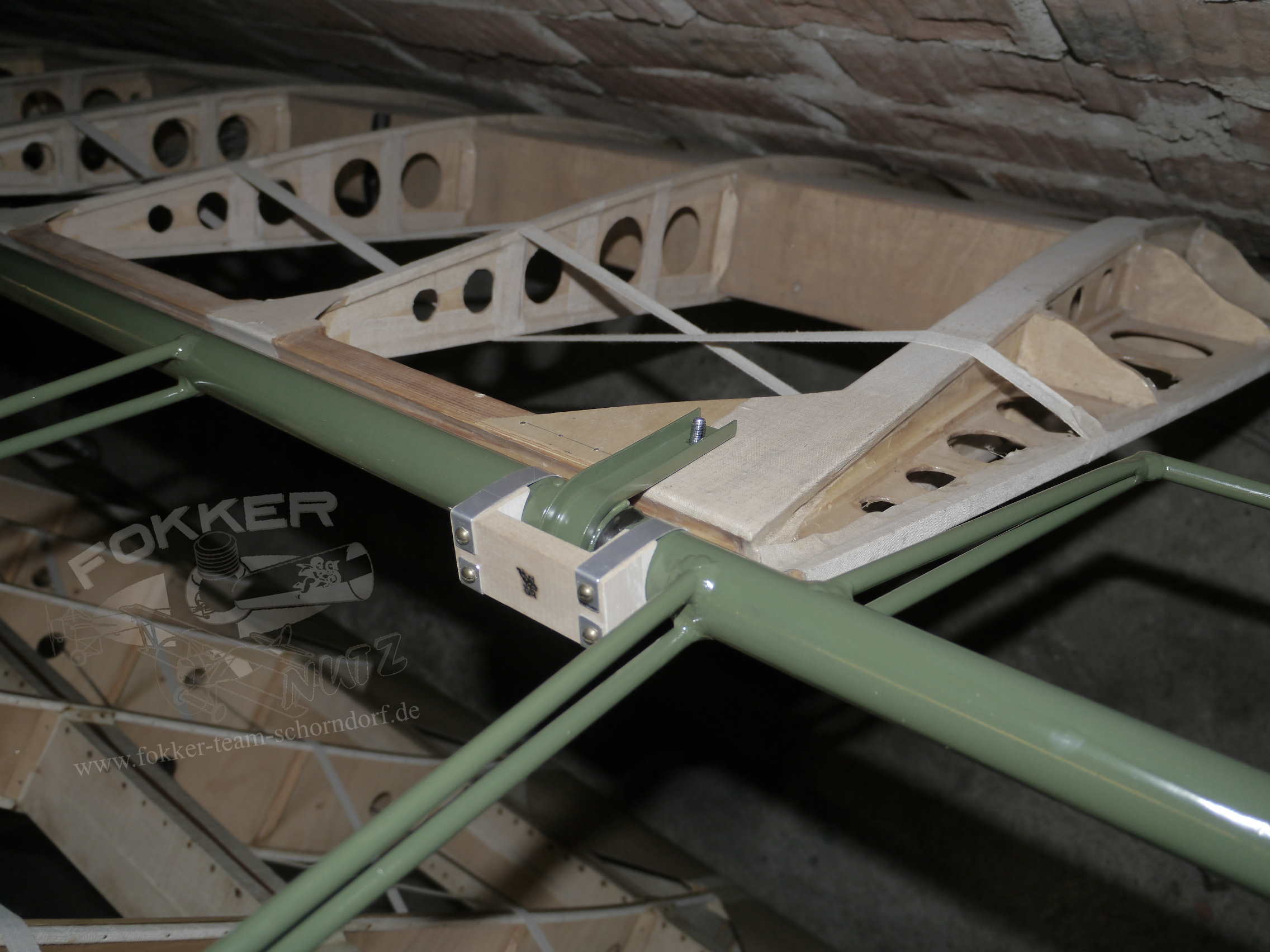
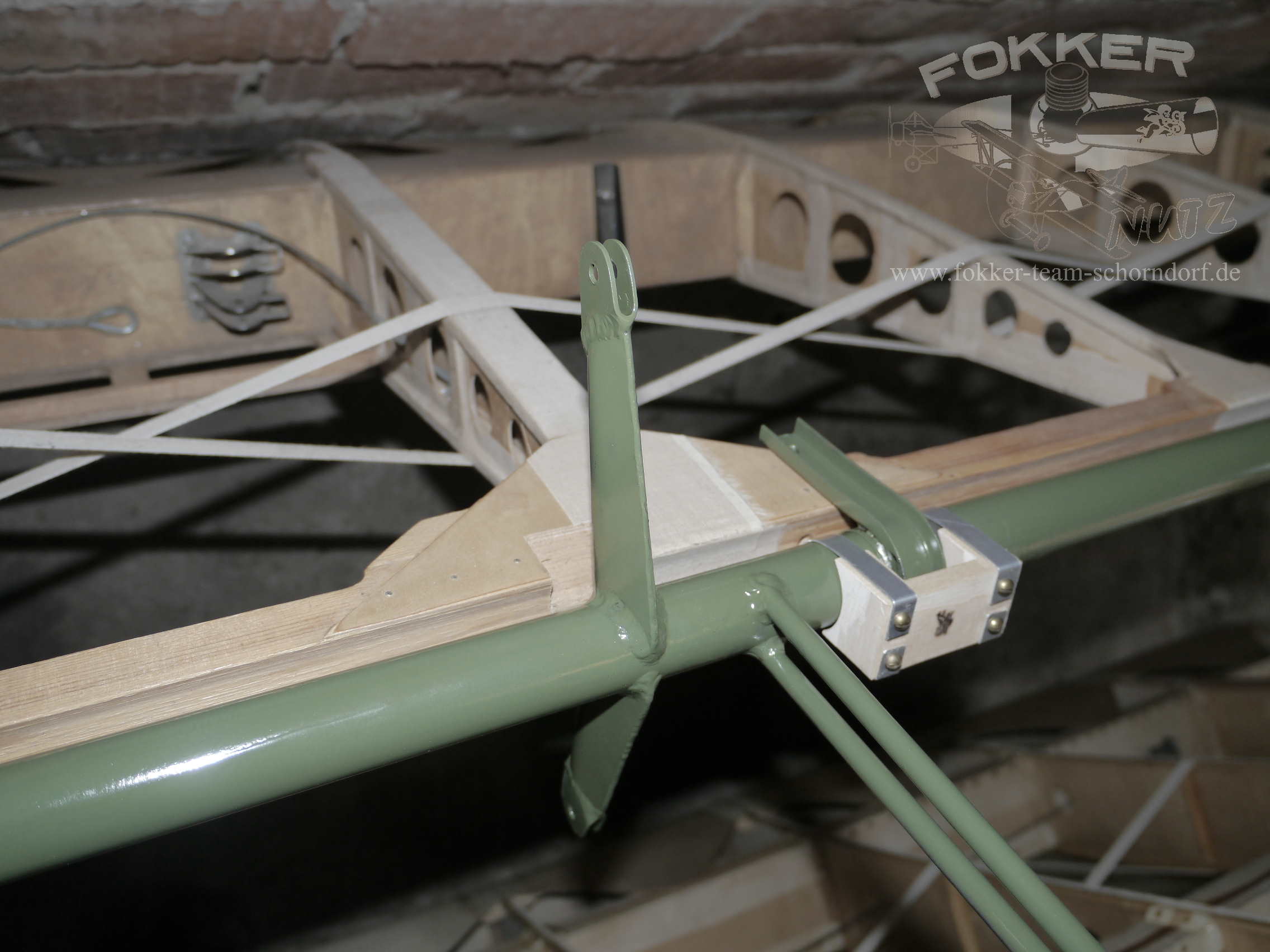
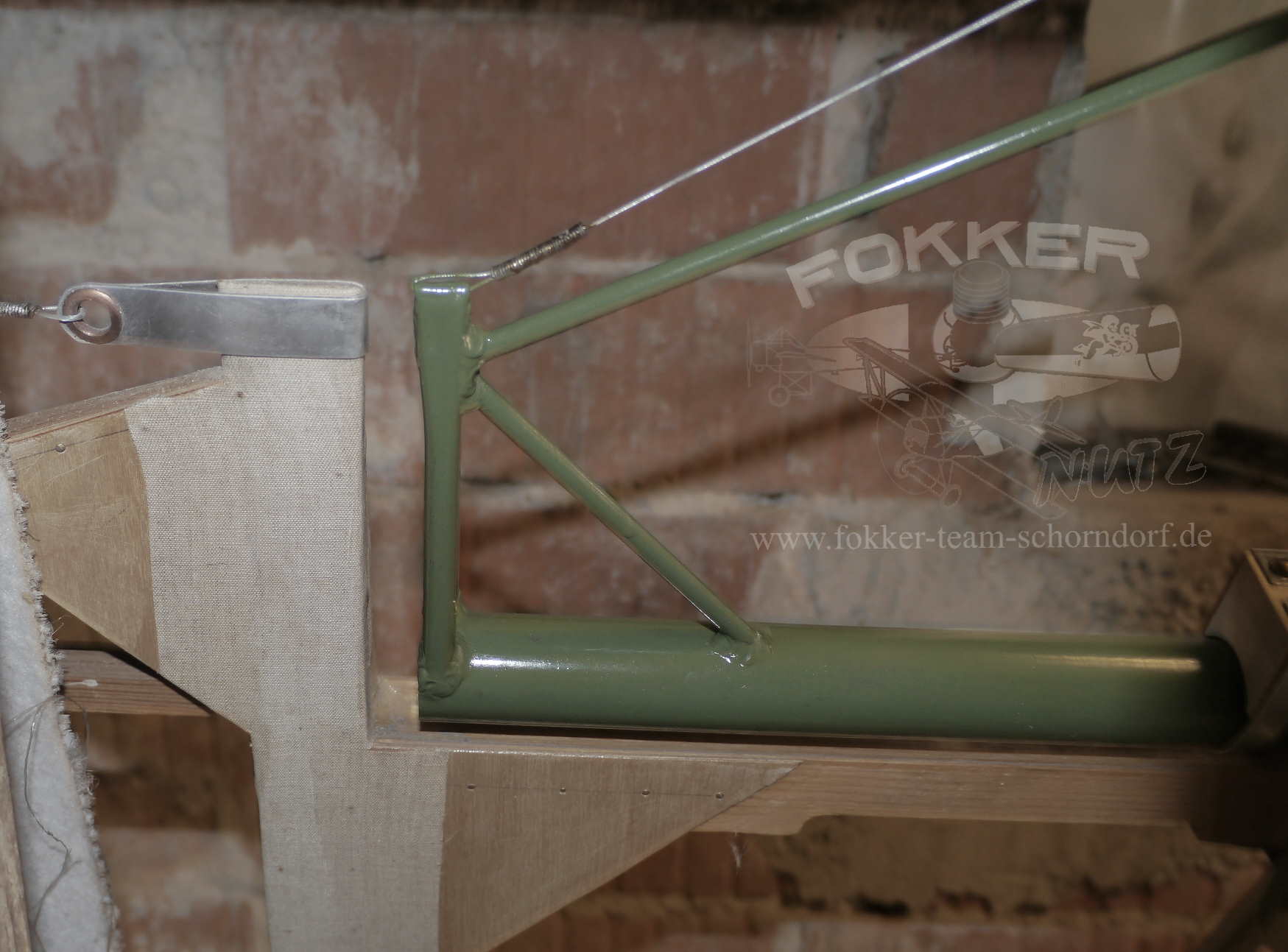
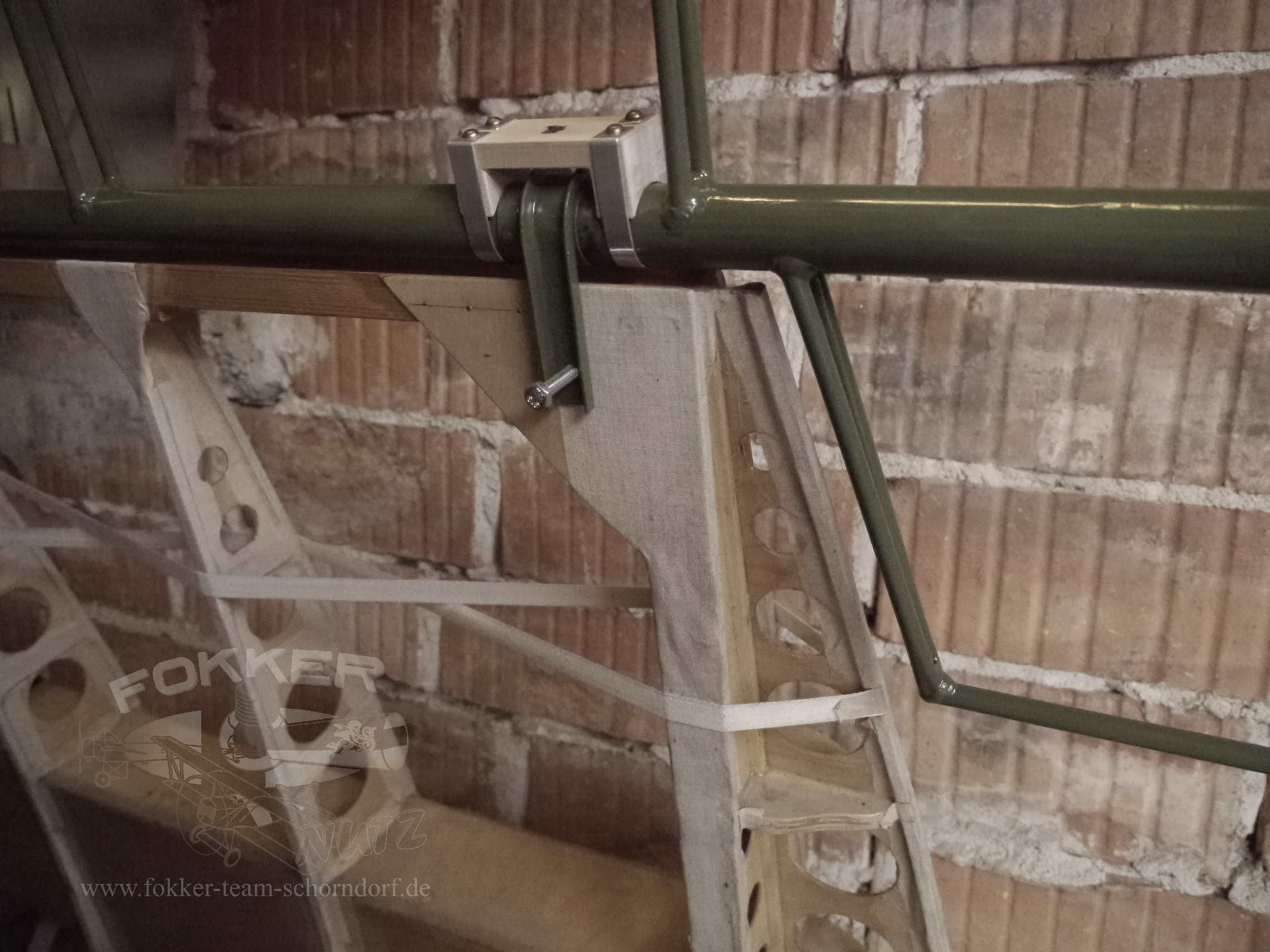
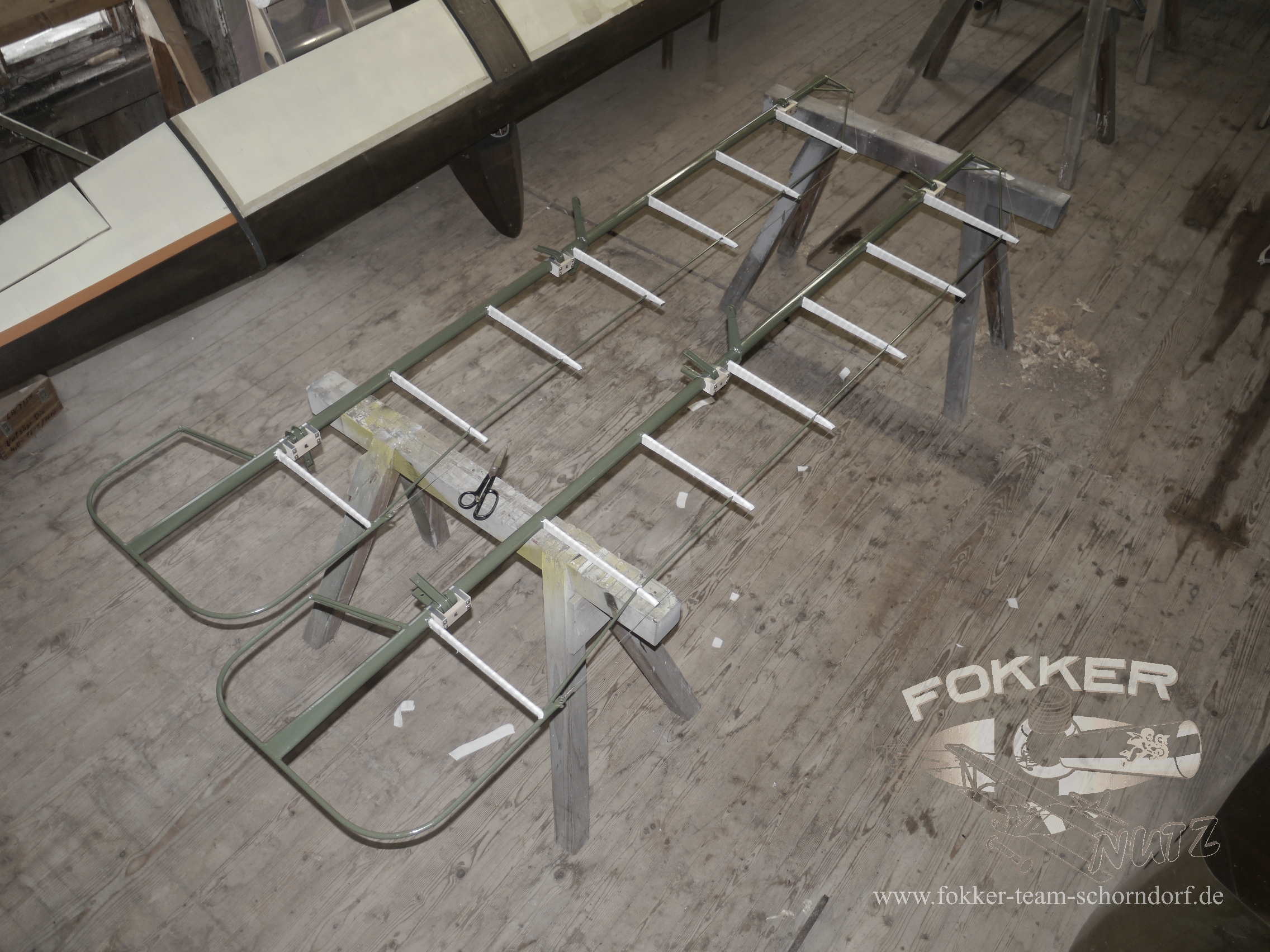
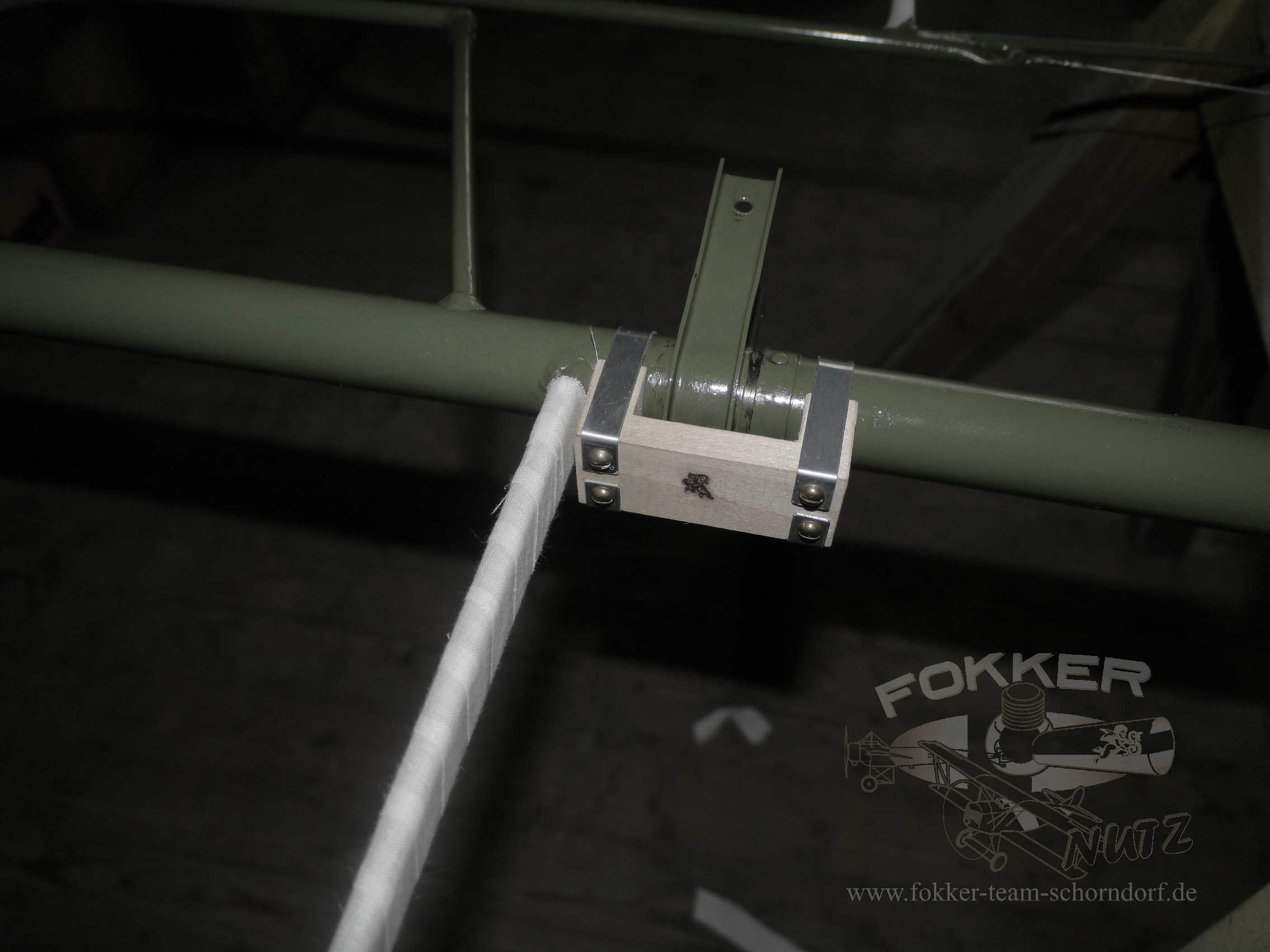
While working on the rudder bits I did the strap blocks for the fabric cover and decided to finally do the strap blocks for the aileron as well.
The following images do show the strap blocks and their assembly with the ailerons as well as aileron fitting to the wing..
18th of November 2020:
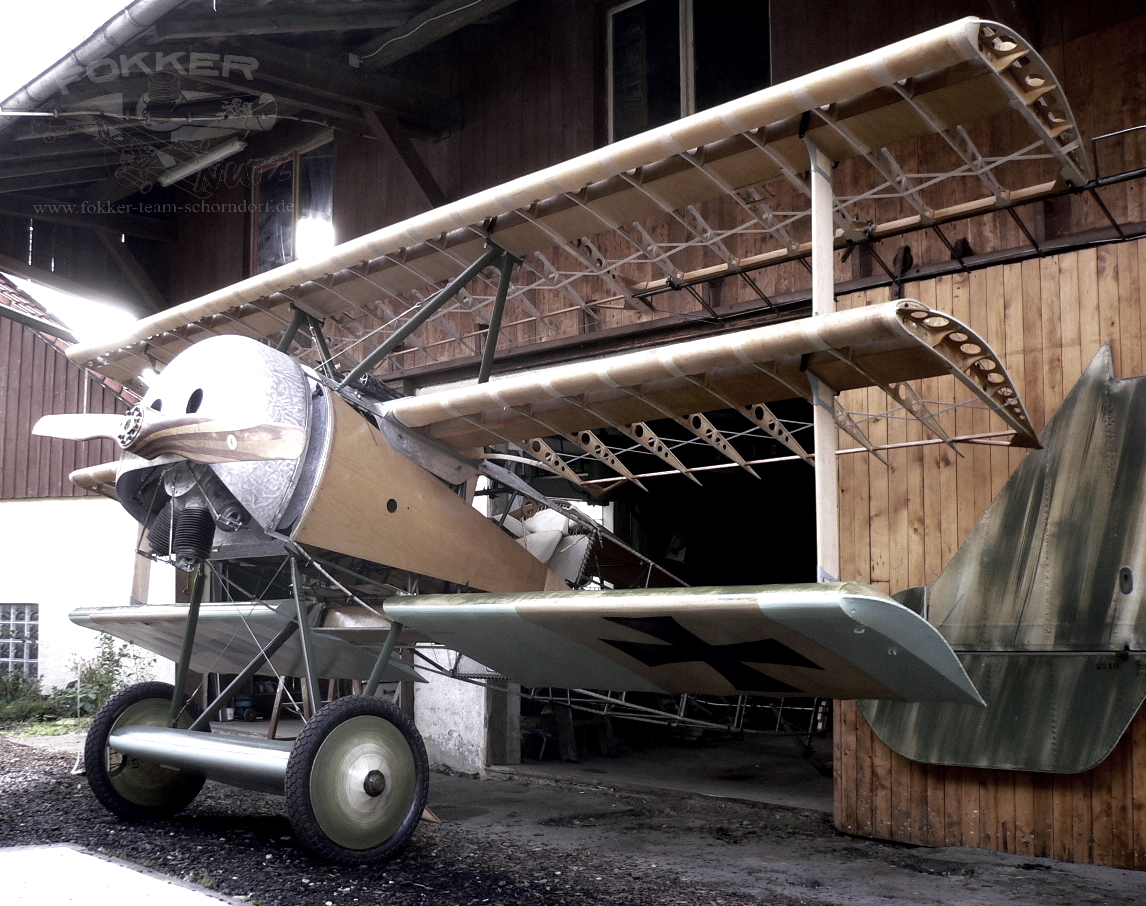
Engels E.1 (Fokker Dr.I) I did some more work on my personal triplane. The aircraft may be available as a trade. The control stick grip received all its bowden cable attachments for the triggers and the throttle.
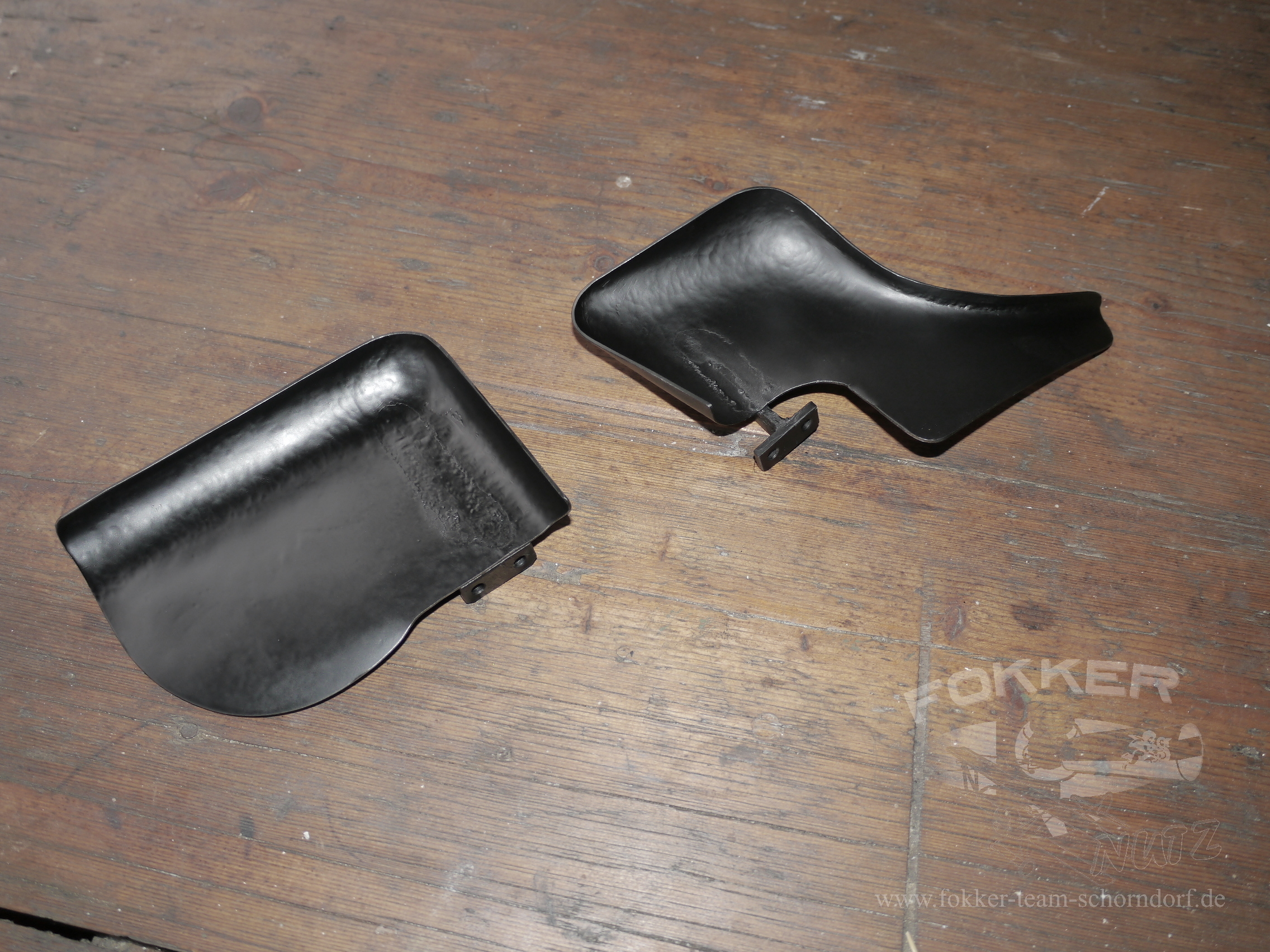
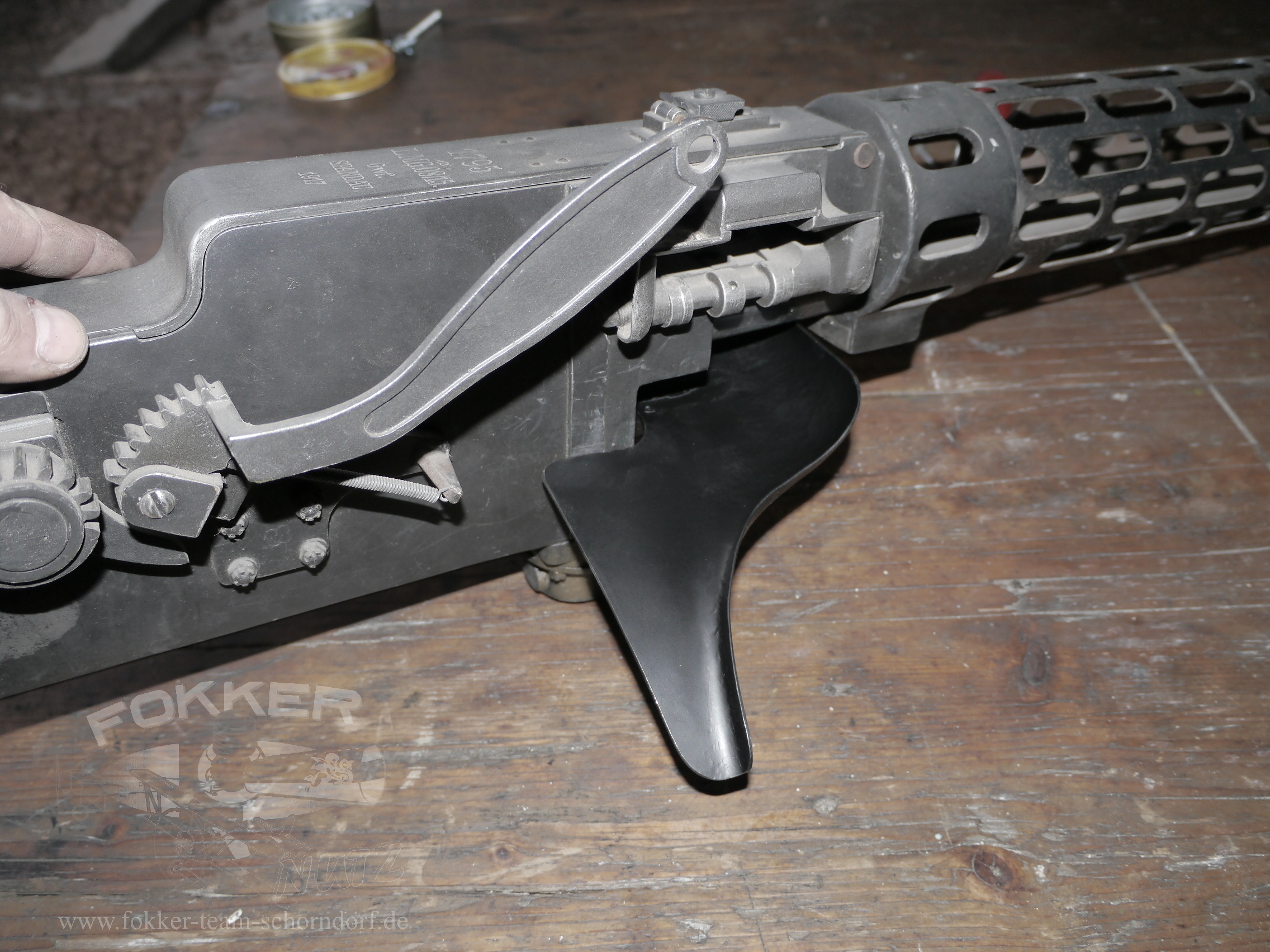
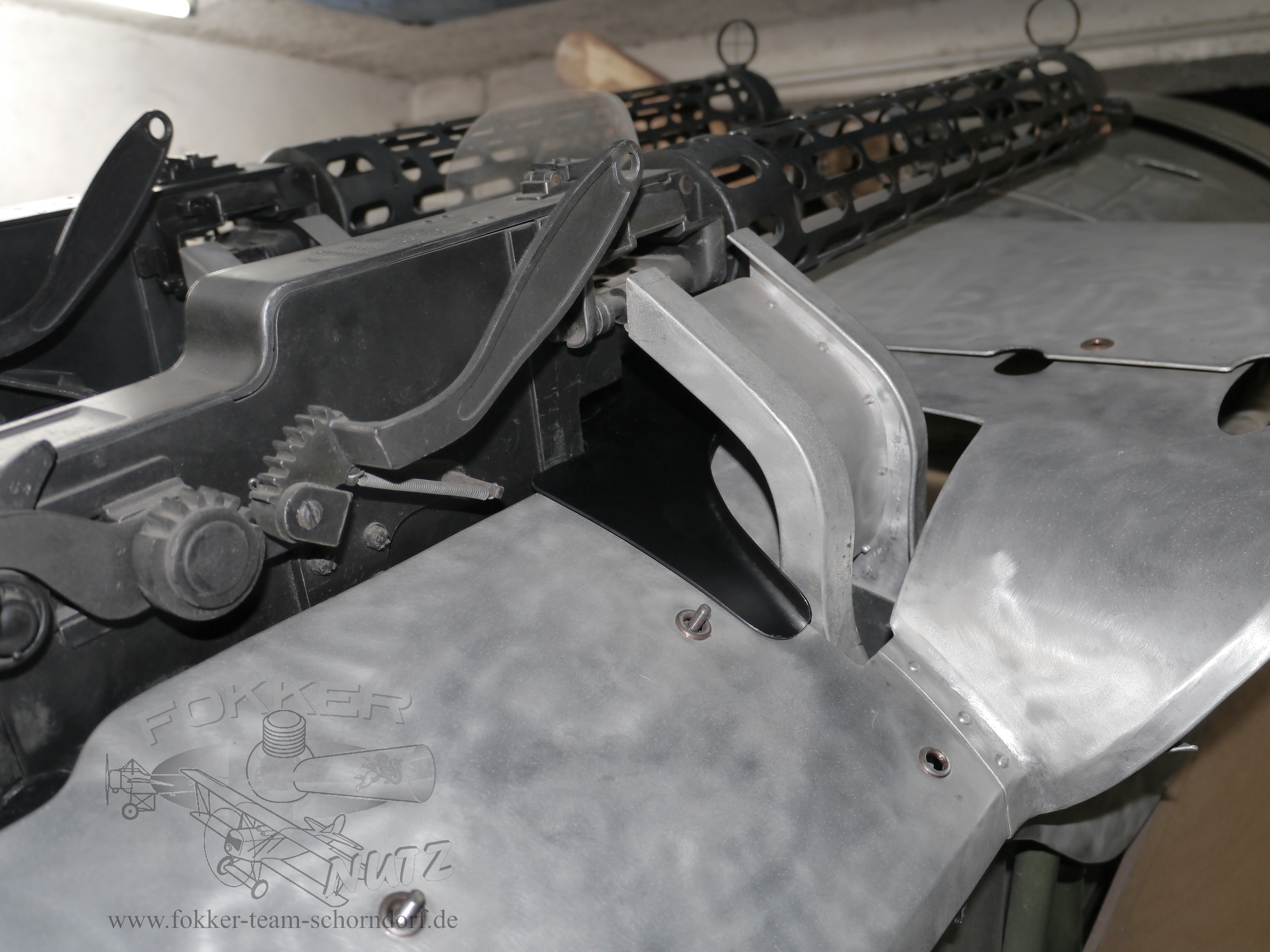
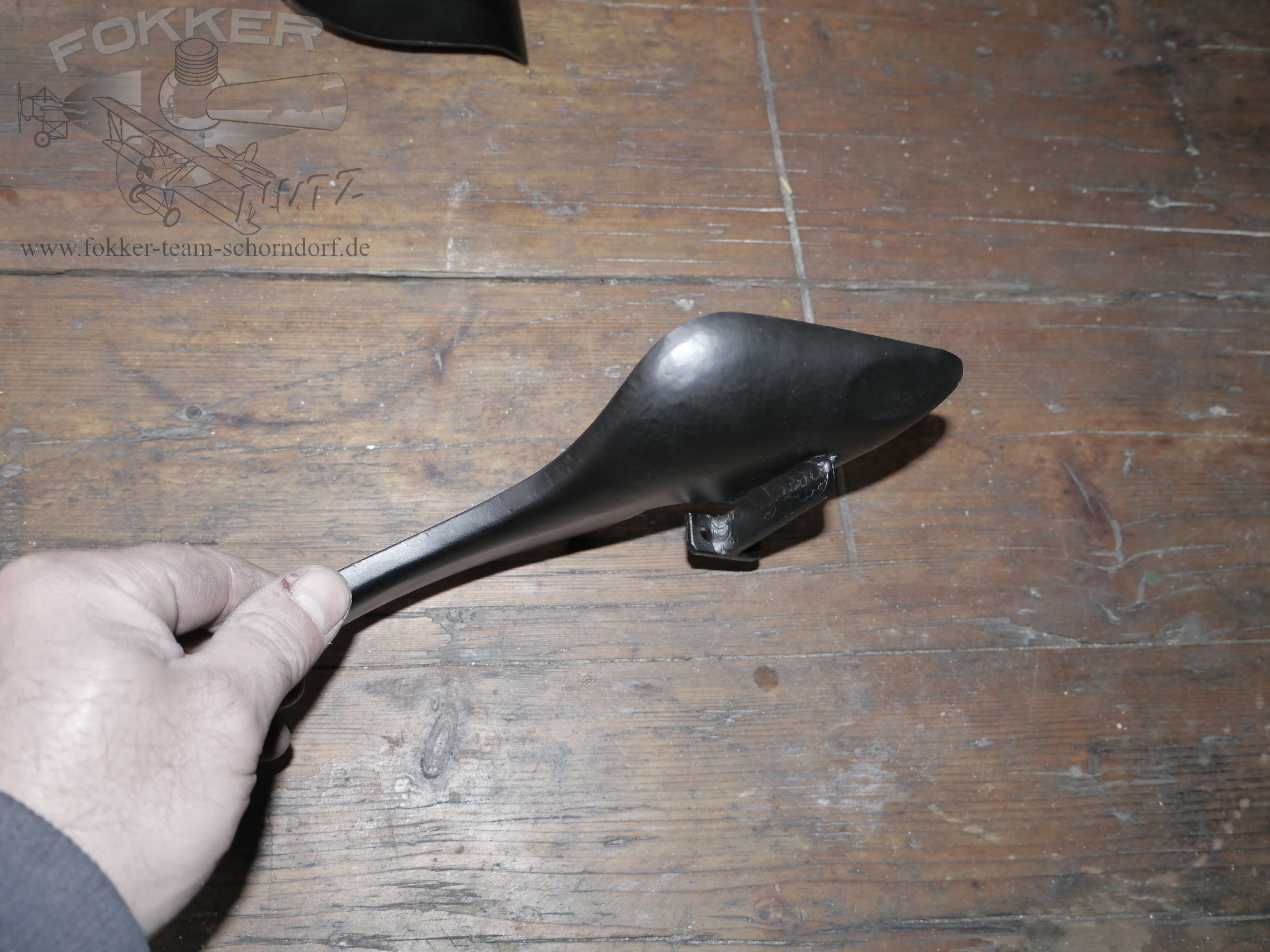
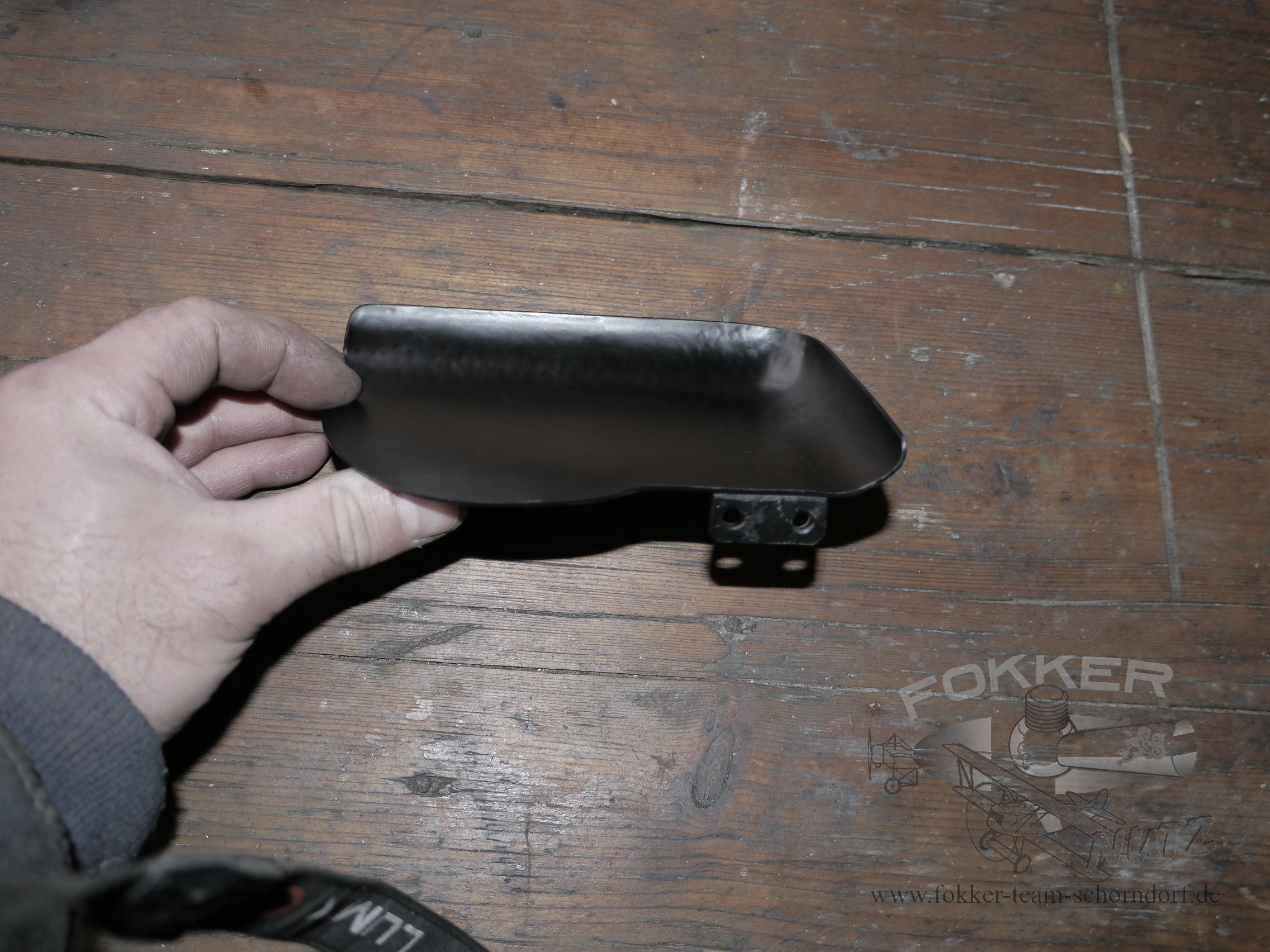
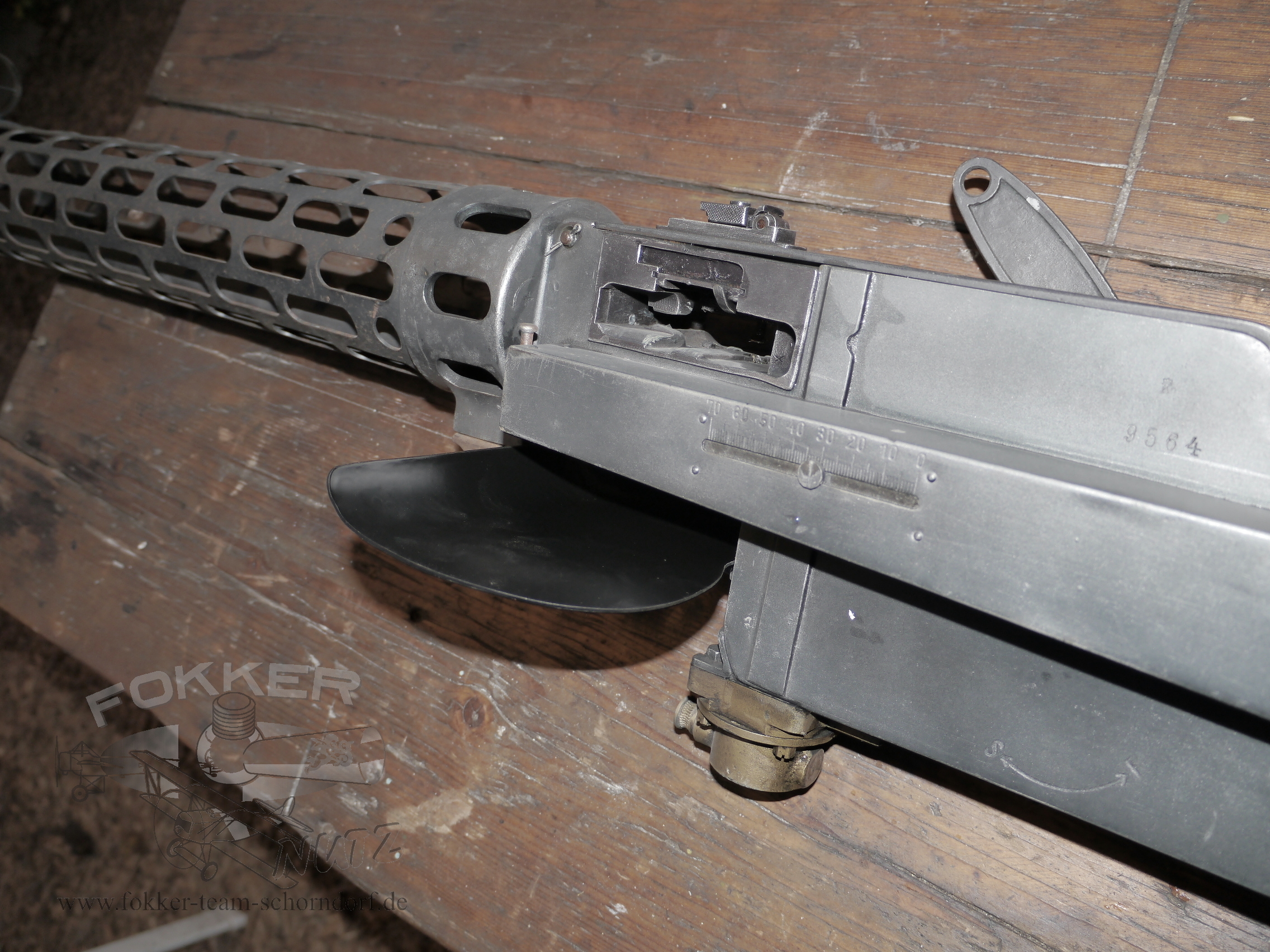
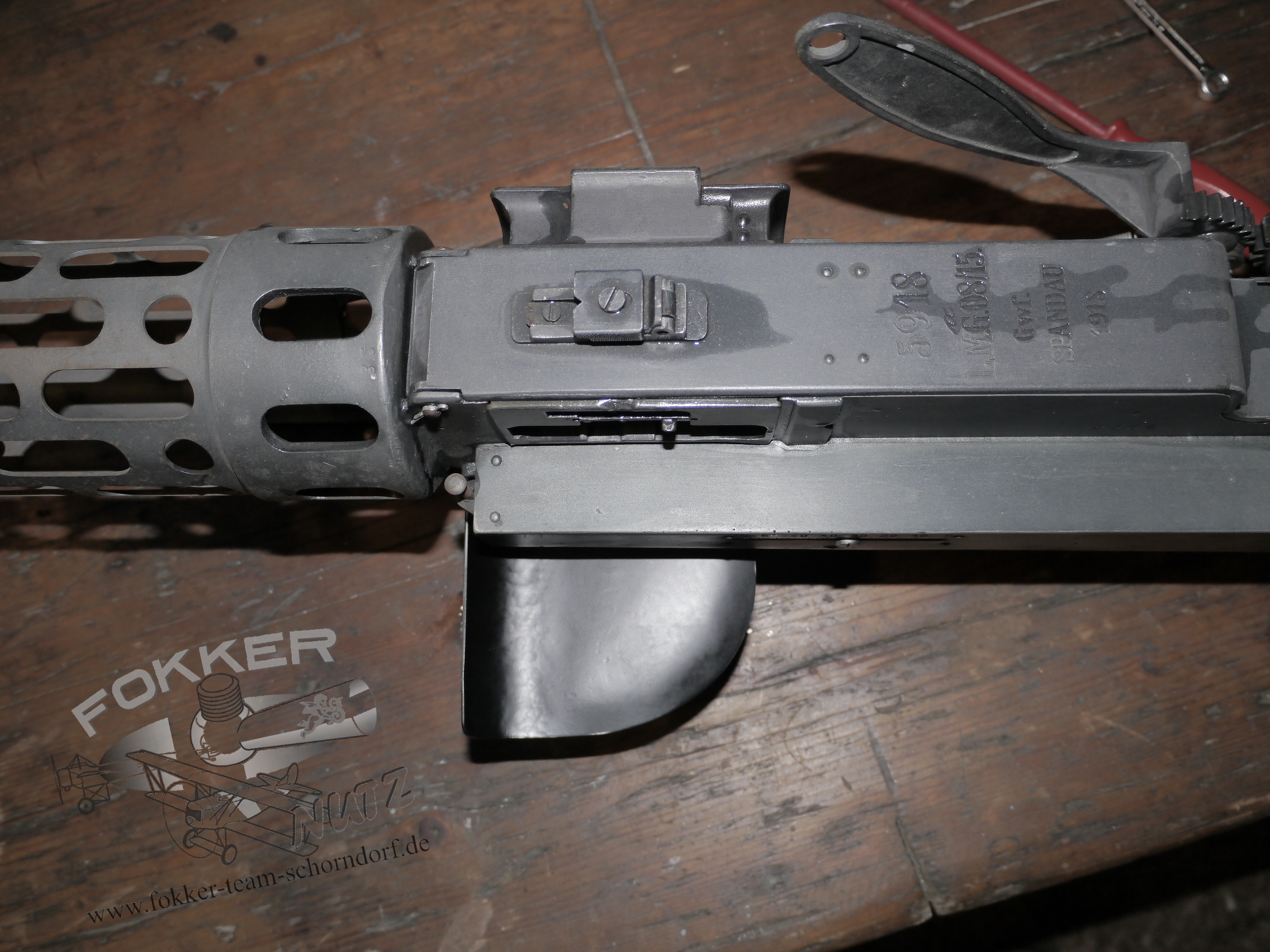
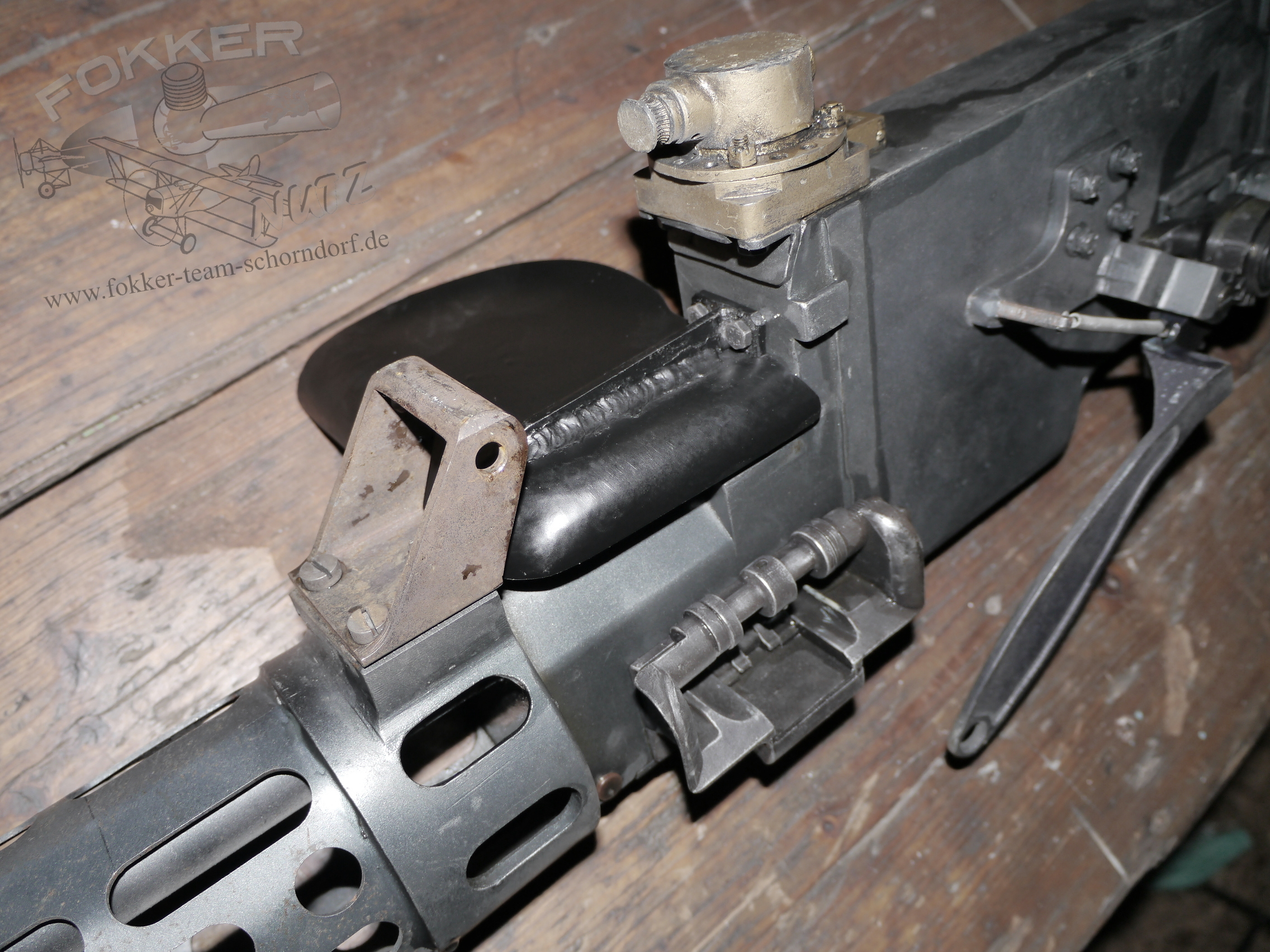
I also did the spent cartrige slide for the right hand gun.
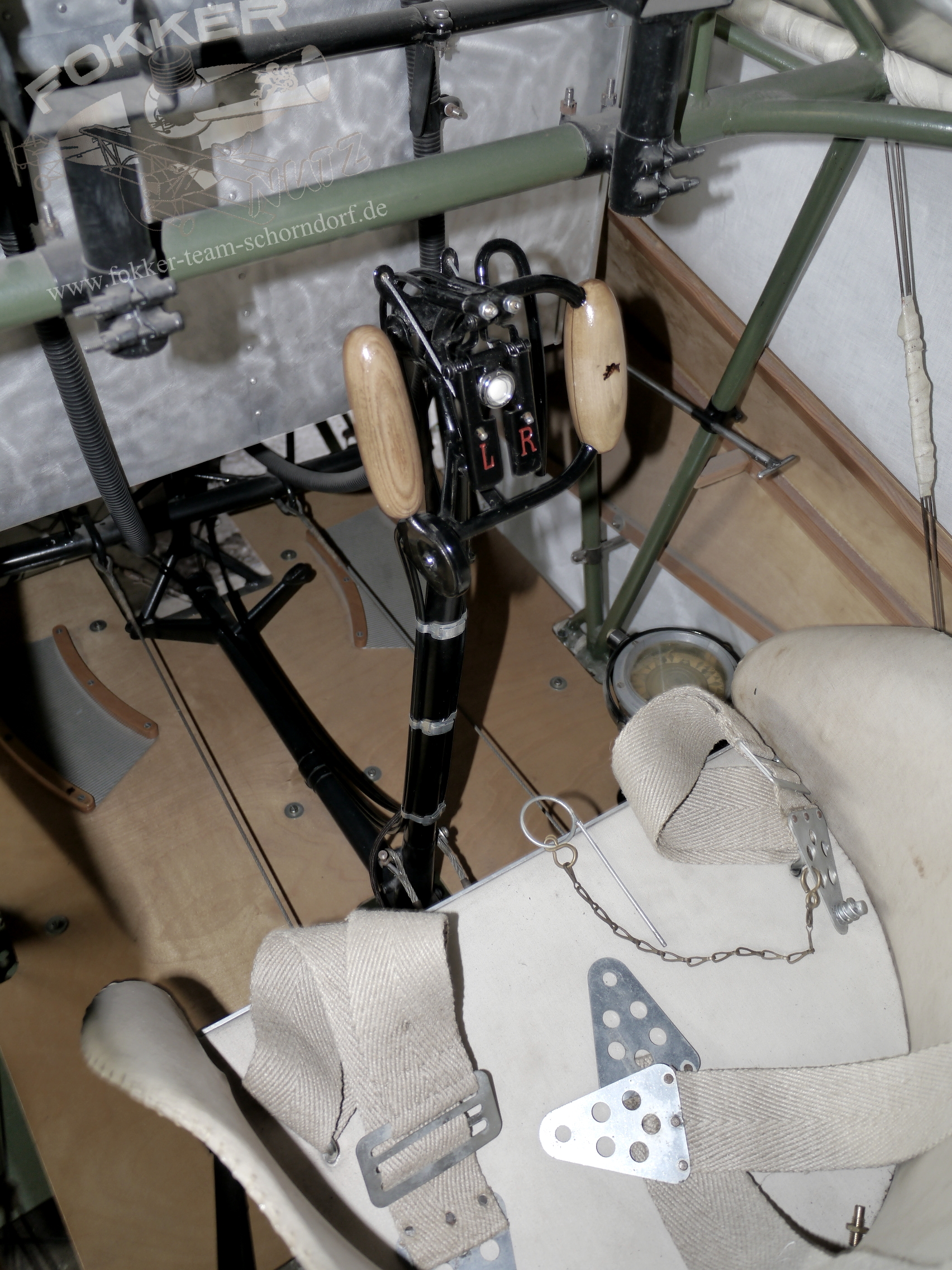
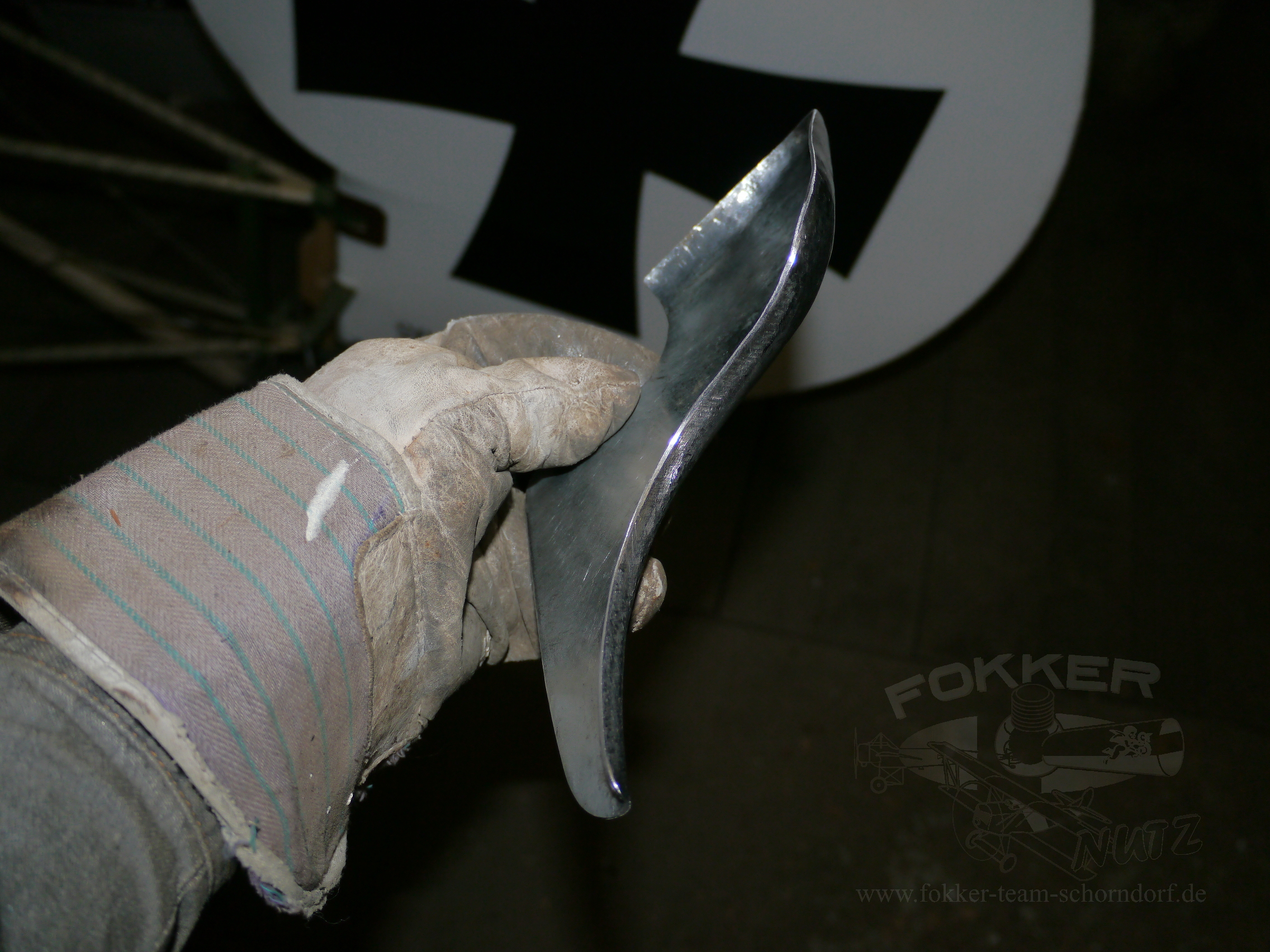
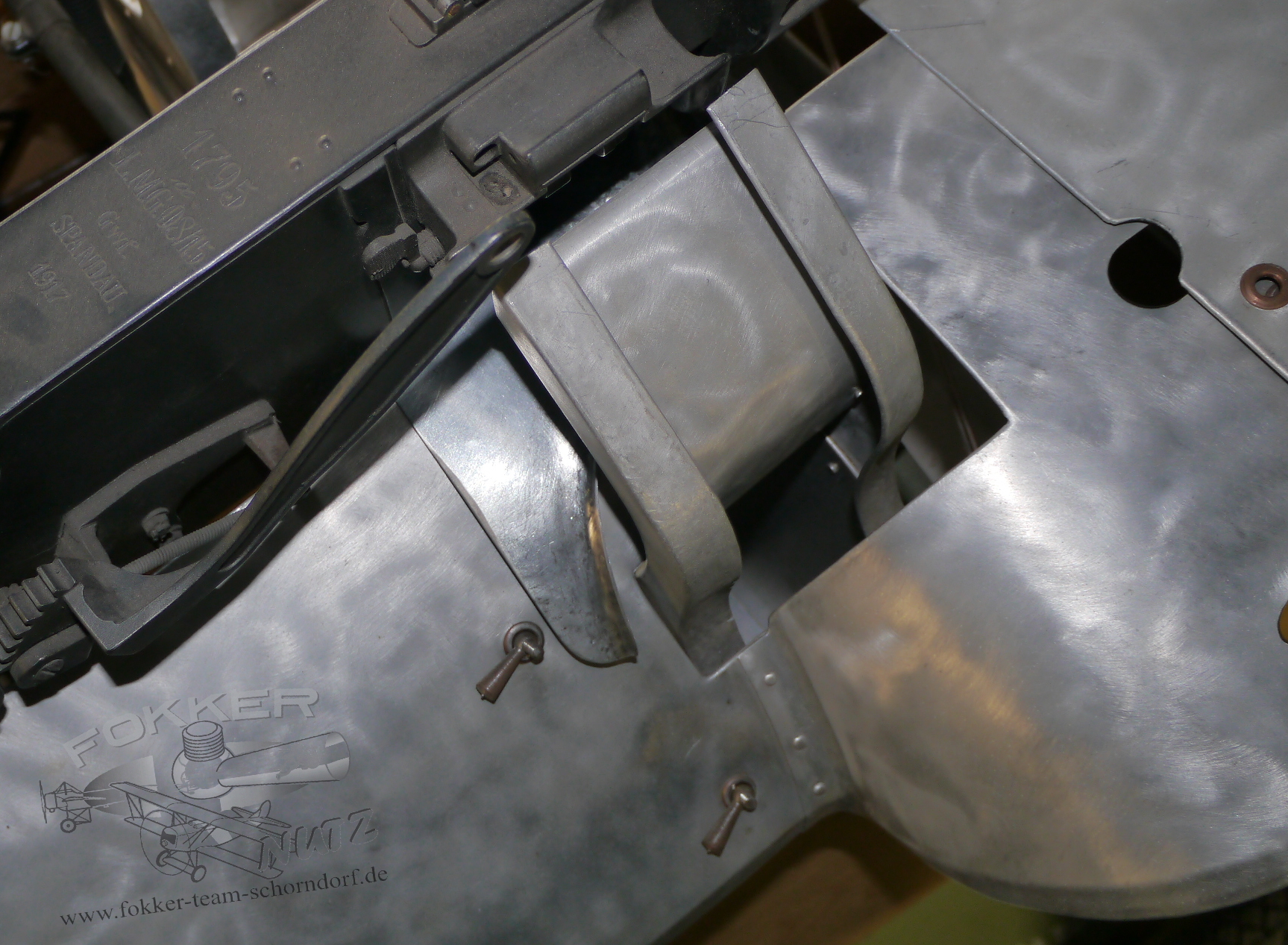
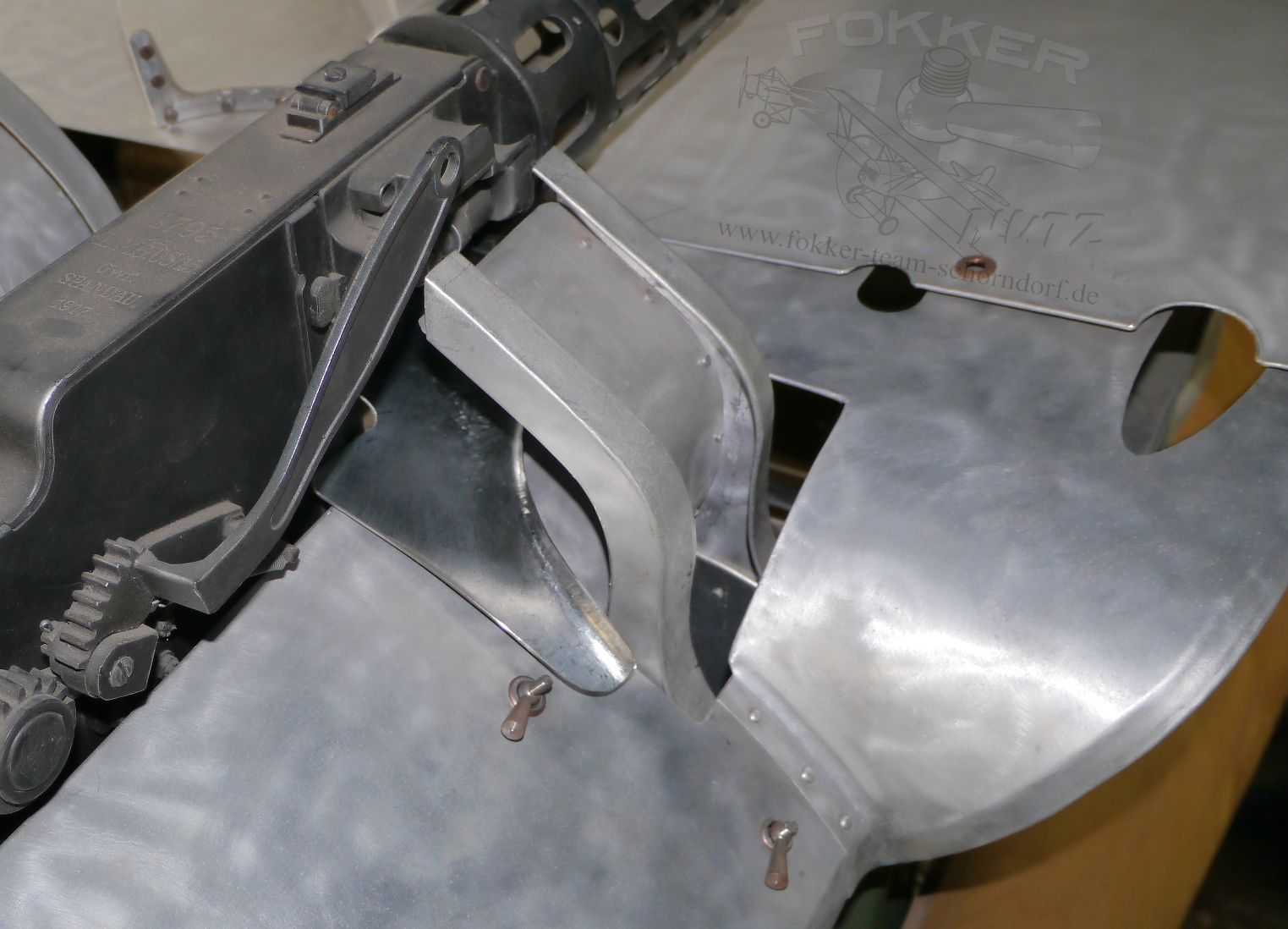
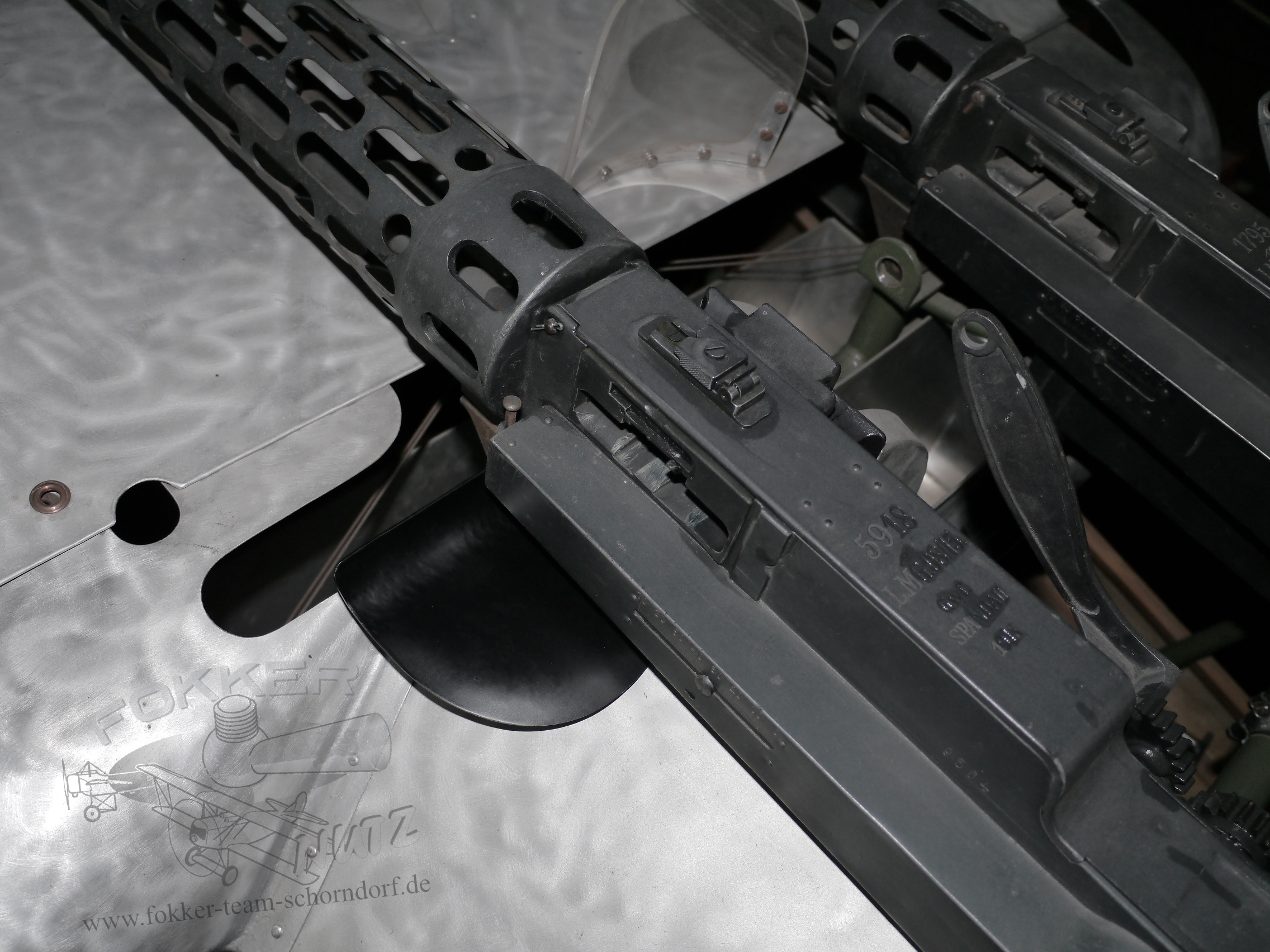
14th of November 2020:
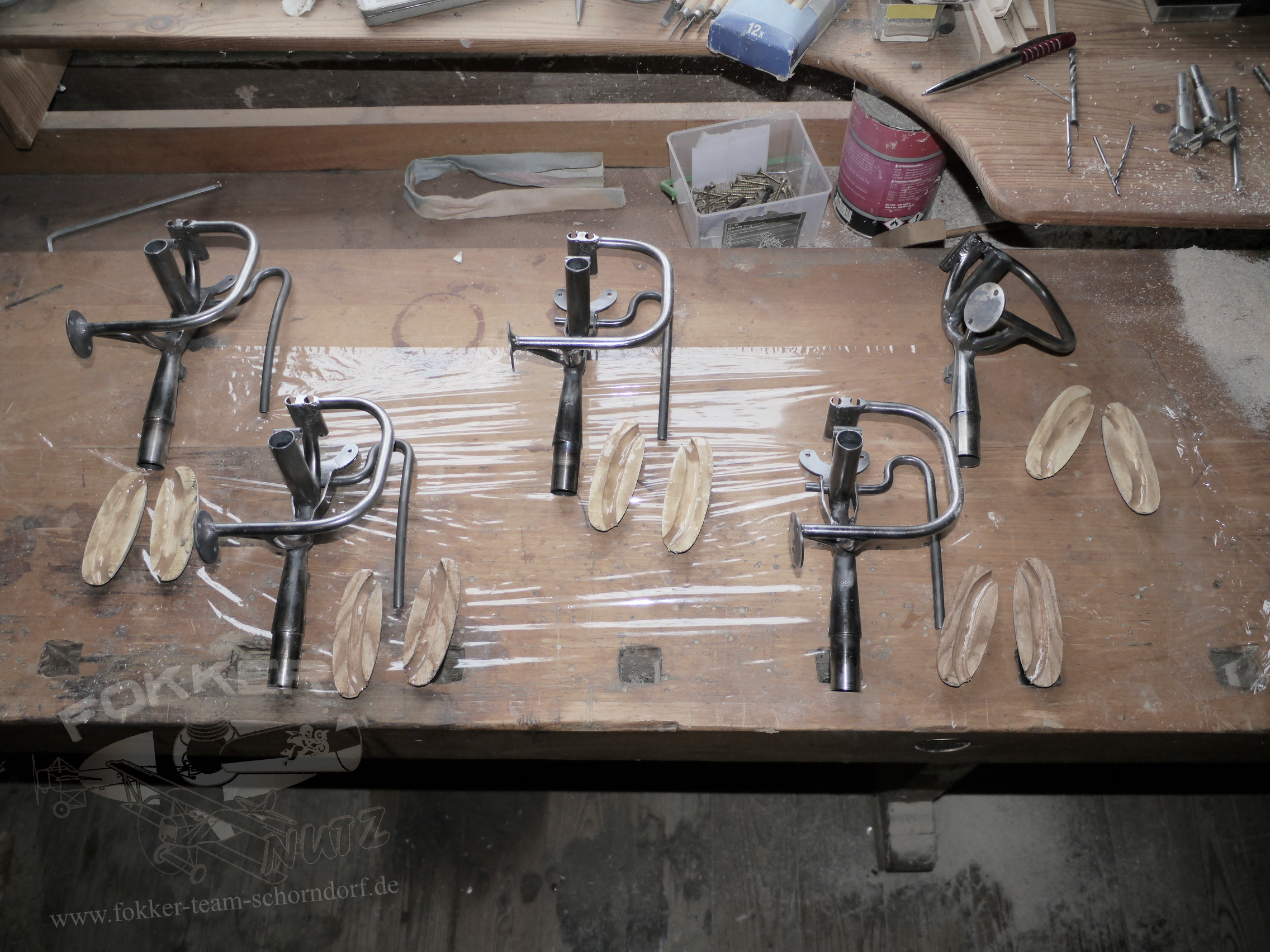
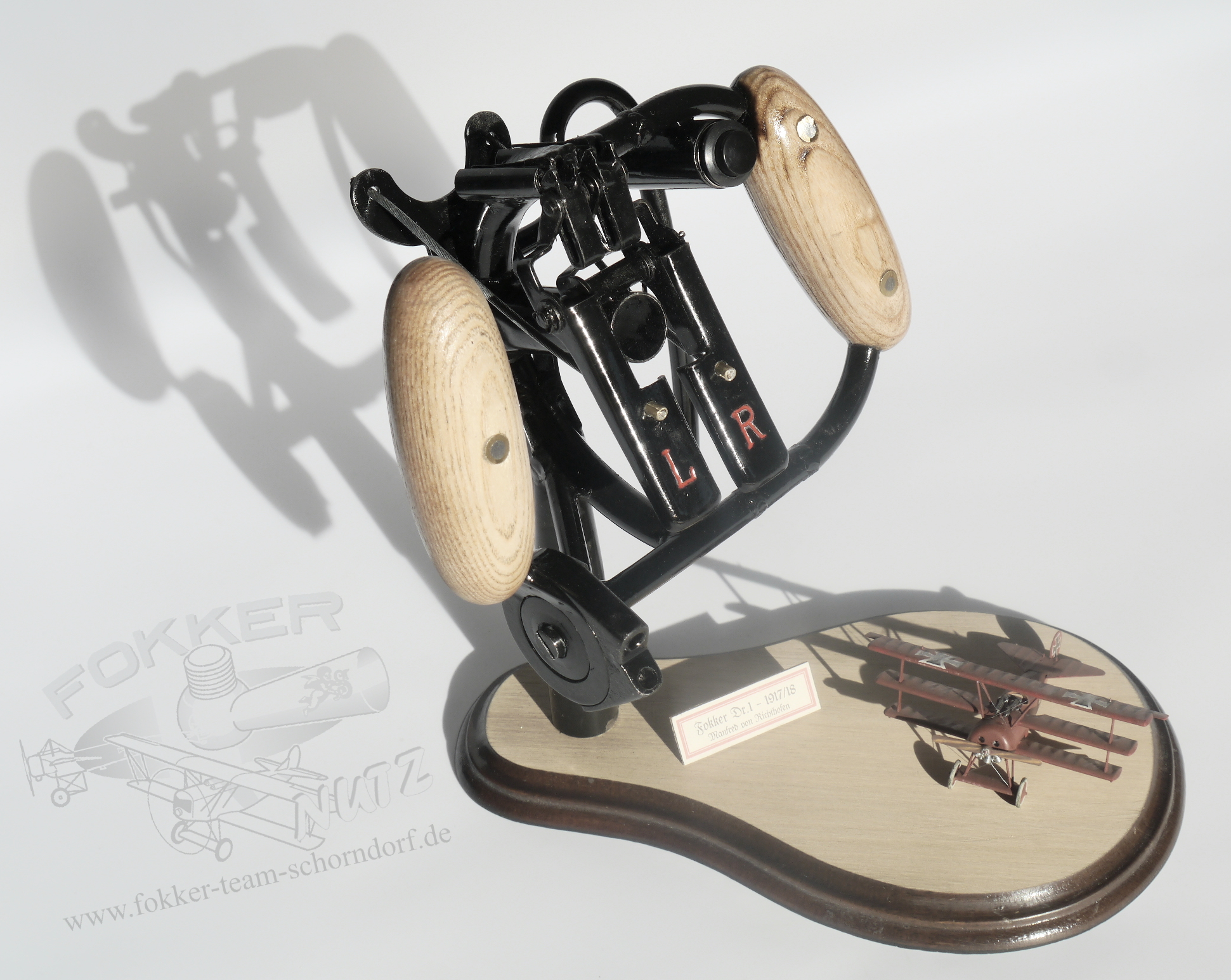
The five new control grips for the Fokker Triplane are now done. Four of them are gone, one is still available as a trade. In case of interest, just send an E-Mail.
Two of the five I did to represent Richthofens field modification, one is a early style without the dual trigger lever.
The last remaining one is mid serial production and could be modified to Richthoifens style.
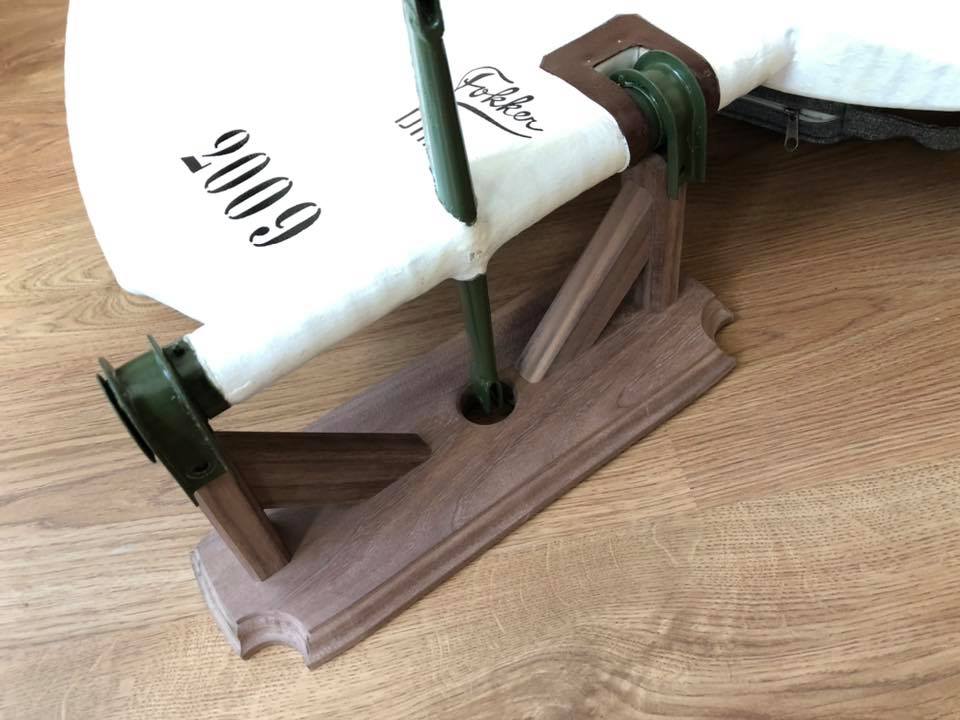
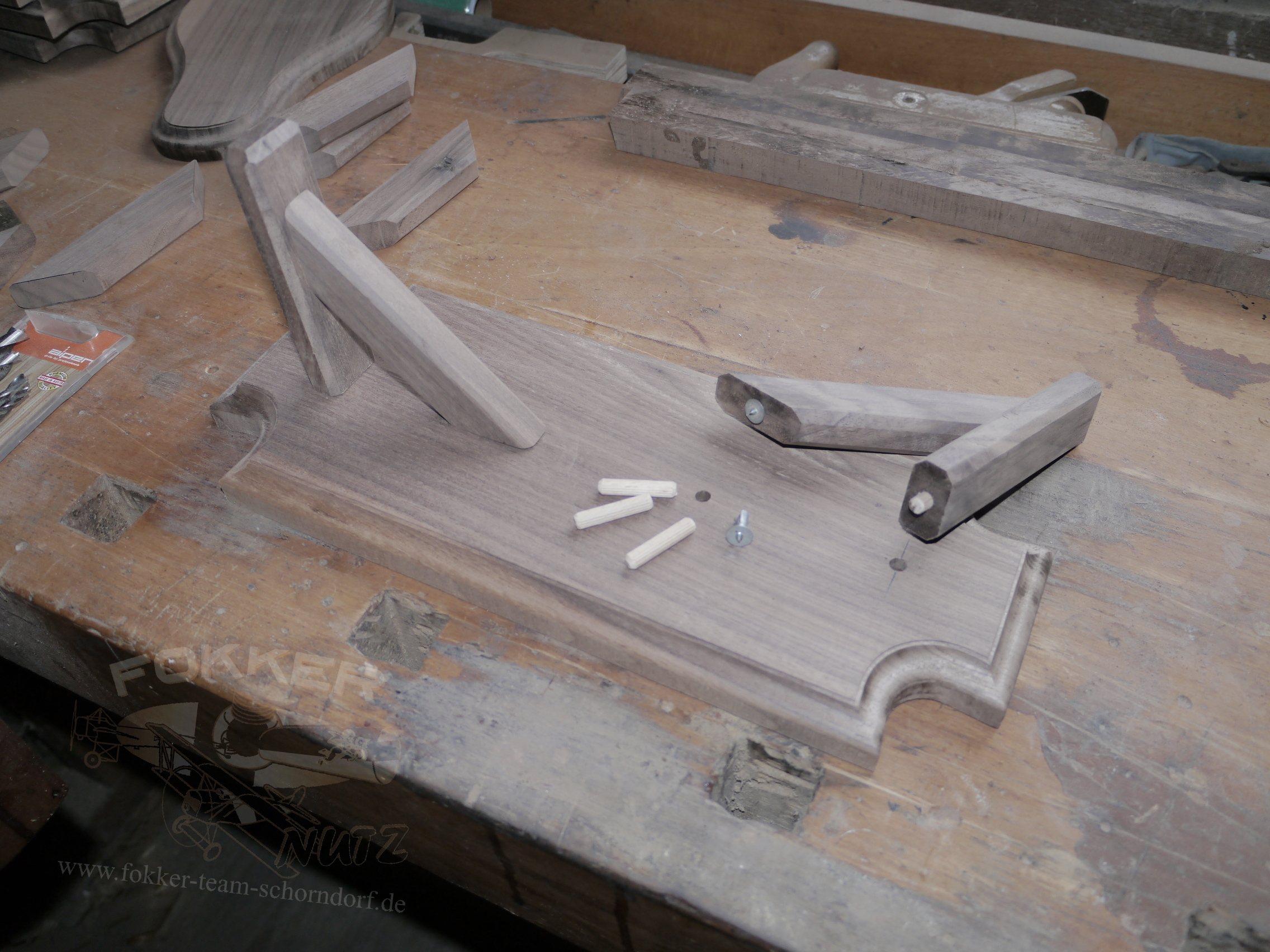
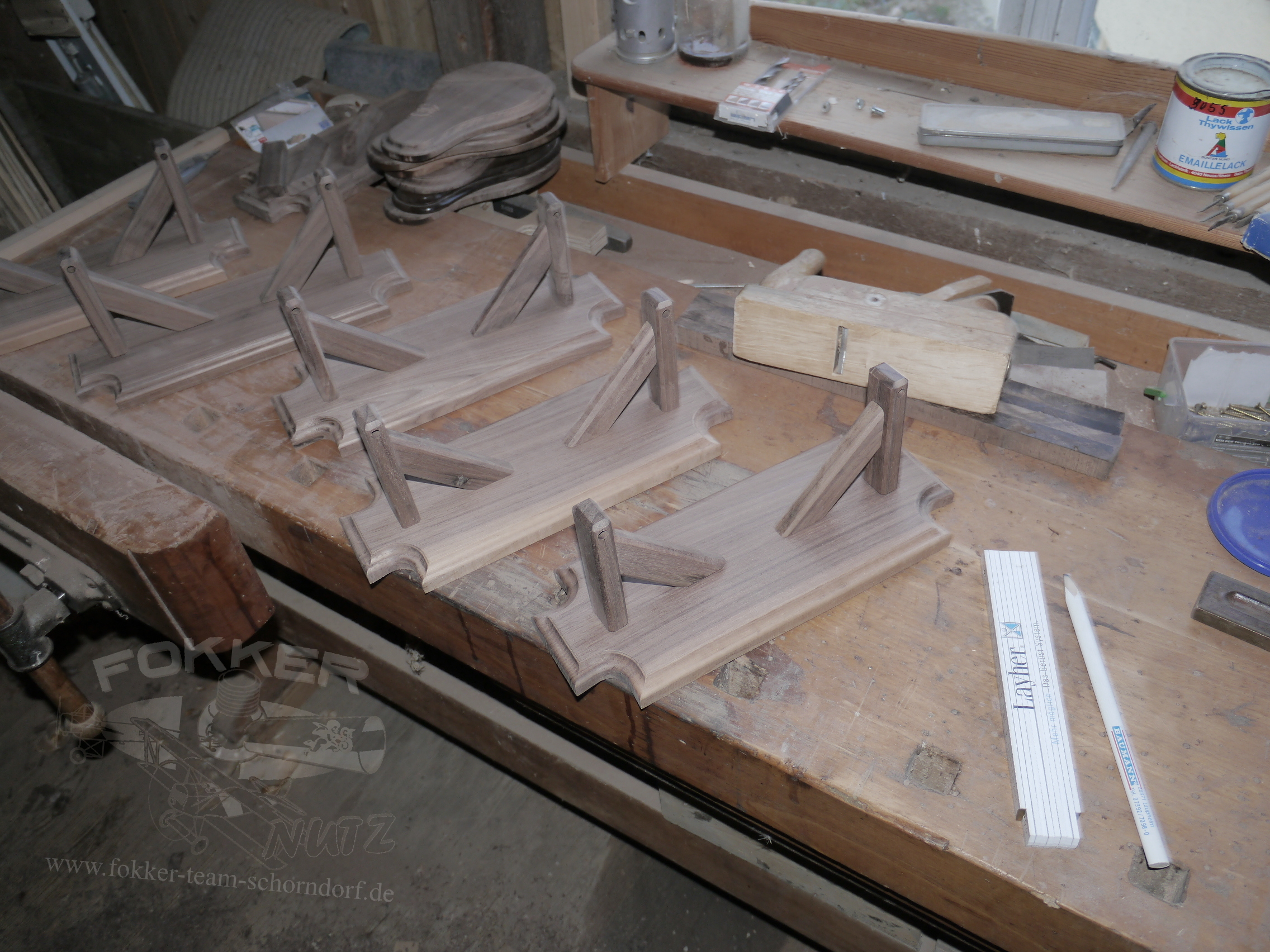
Apart from that I started to make wall mounts for rudders and display stands for grips.
Next year I will continue to make Dr.I rudders to complete my collection of all know cross shapes. I may also do several more for trade.
13th of October 2020:
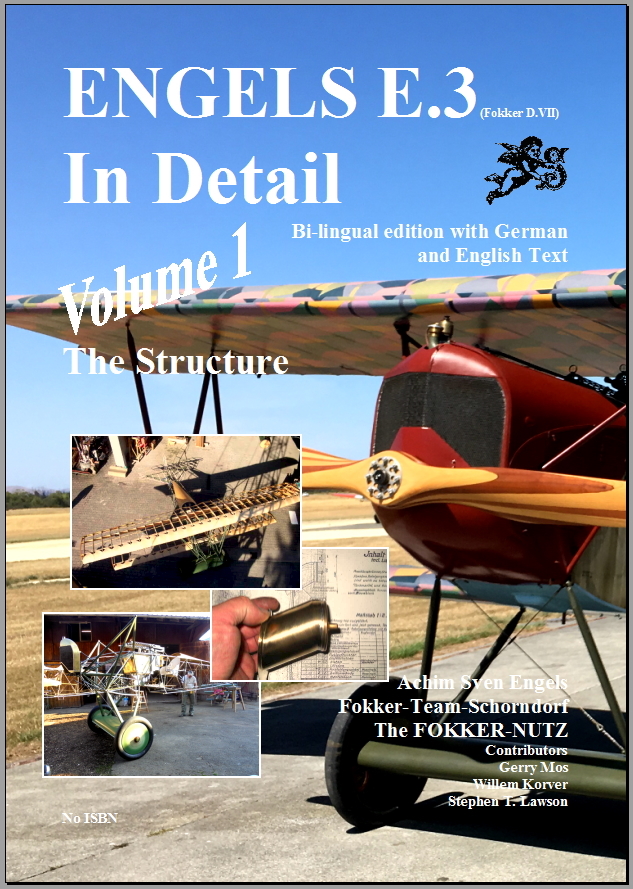
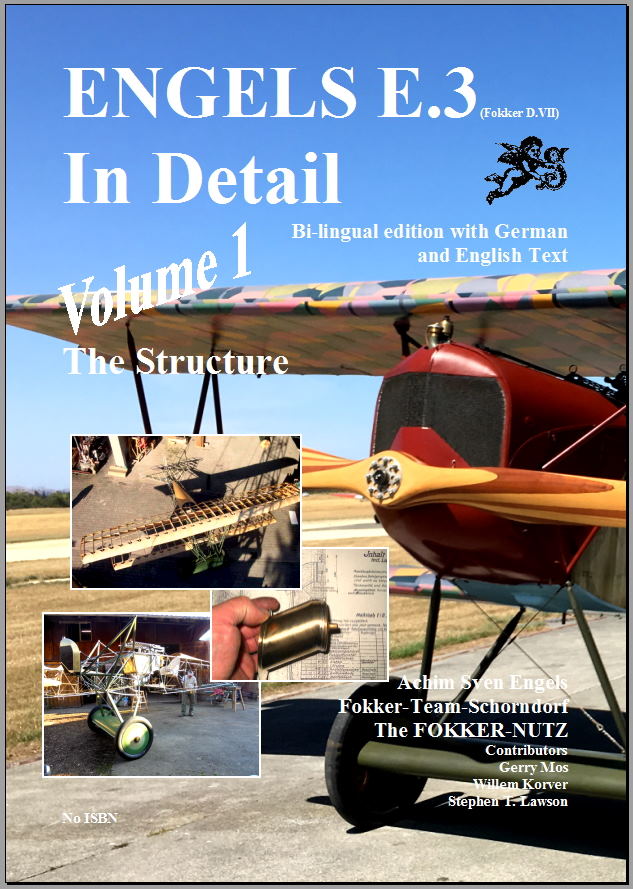
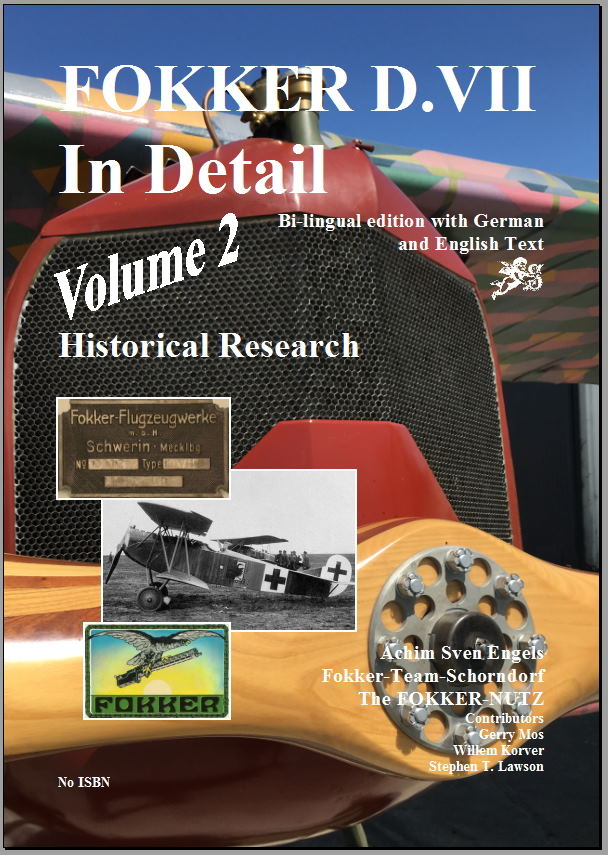
New book release. Finally volume 1 of our new "In Detail" about the making of various Engels E.3s (Fokker D.VII)is out now.
This first volume shows how different airplanes (Pre Production, early serial production and late production) looked with respect to their structural detail.
It also includes the new airplane recently revealed by TVAL at Masterton, flying in Willy Gabriels Livery of Fok. D.VII 286/18 while it was under construction in my workshop.
Volume 2 is under preparation.
28th of September 2020:
Building of the upper wing´s front spar of my reproduction of Fokker D.VII 228/18 is in progress.
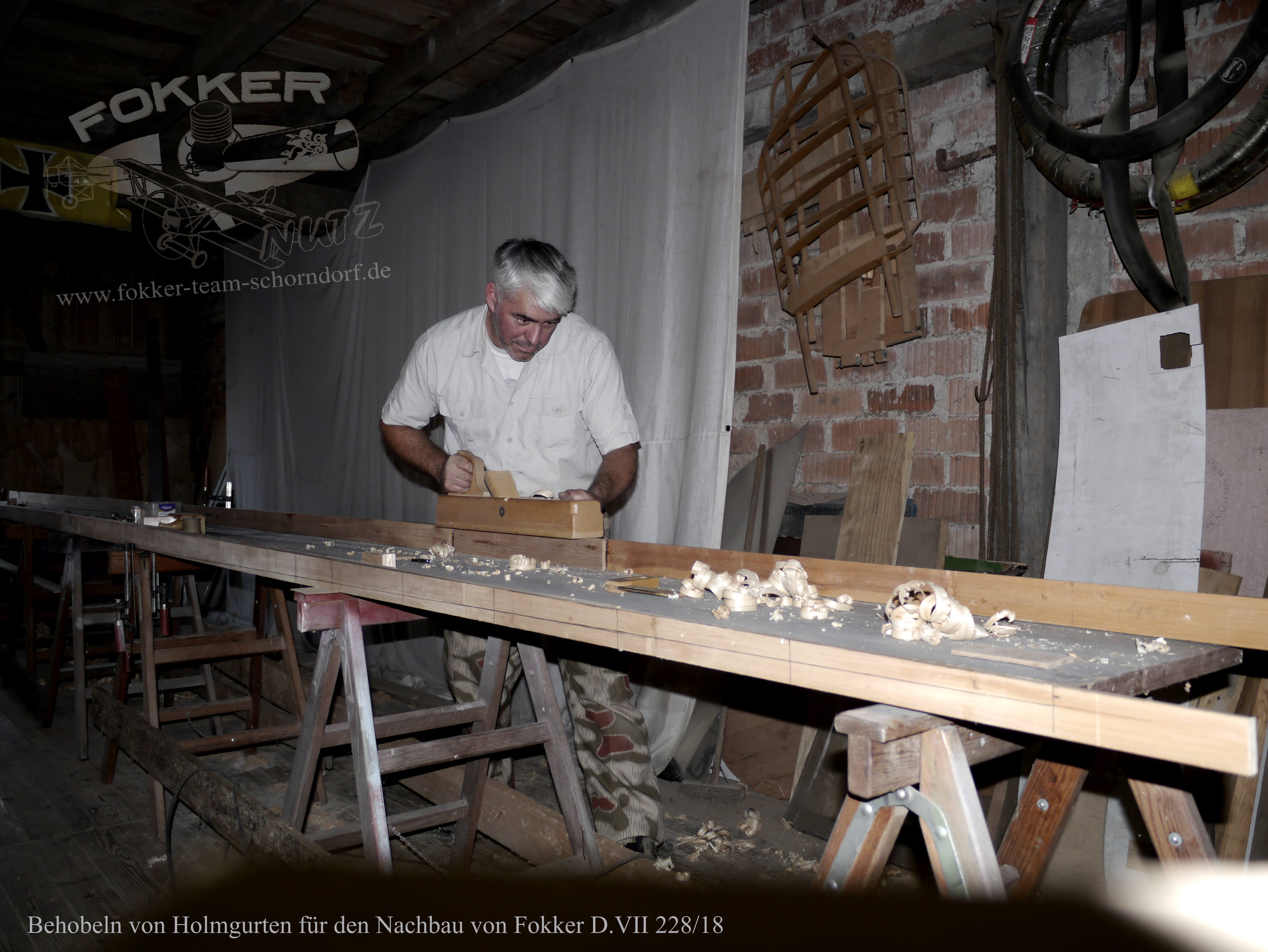
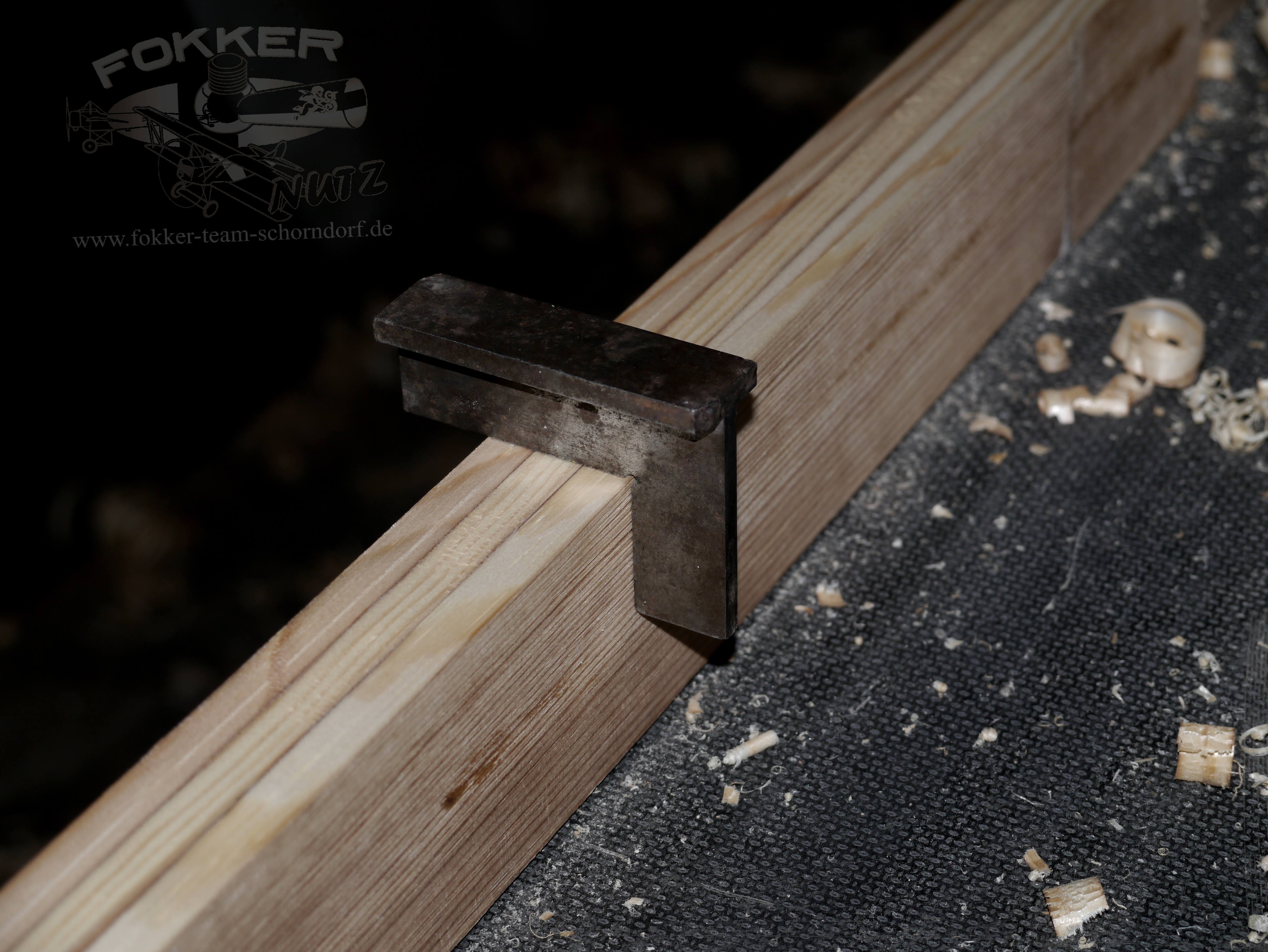
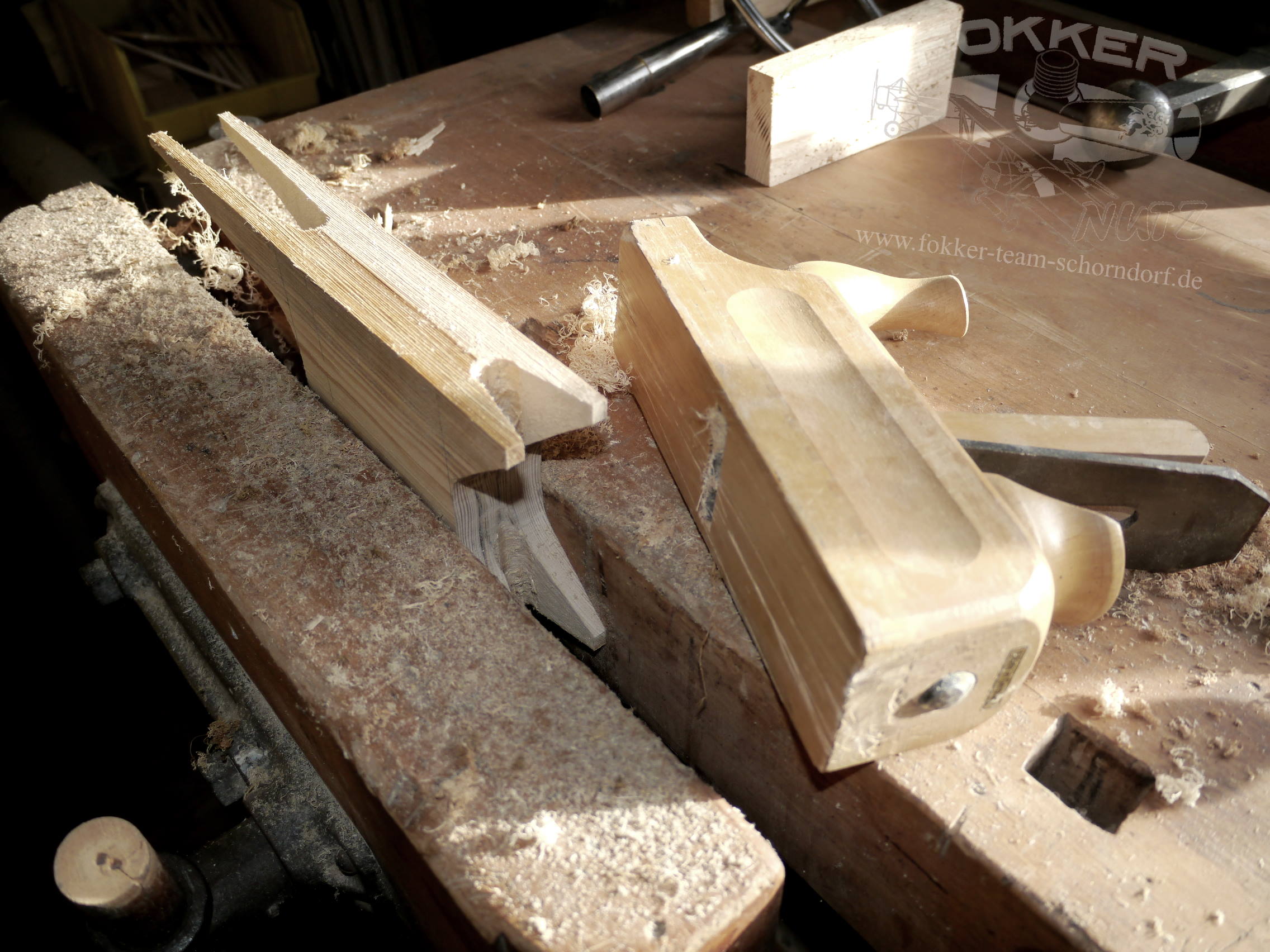
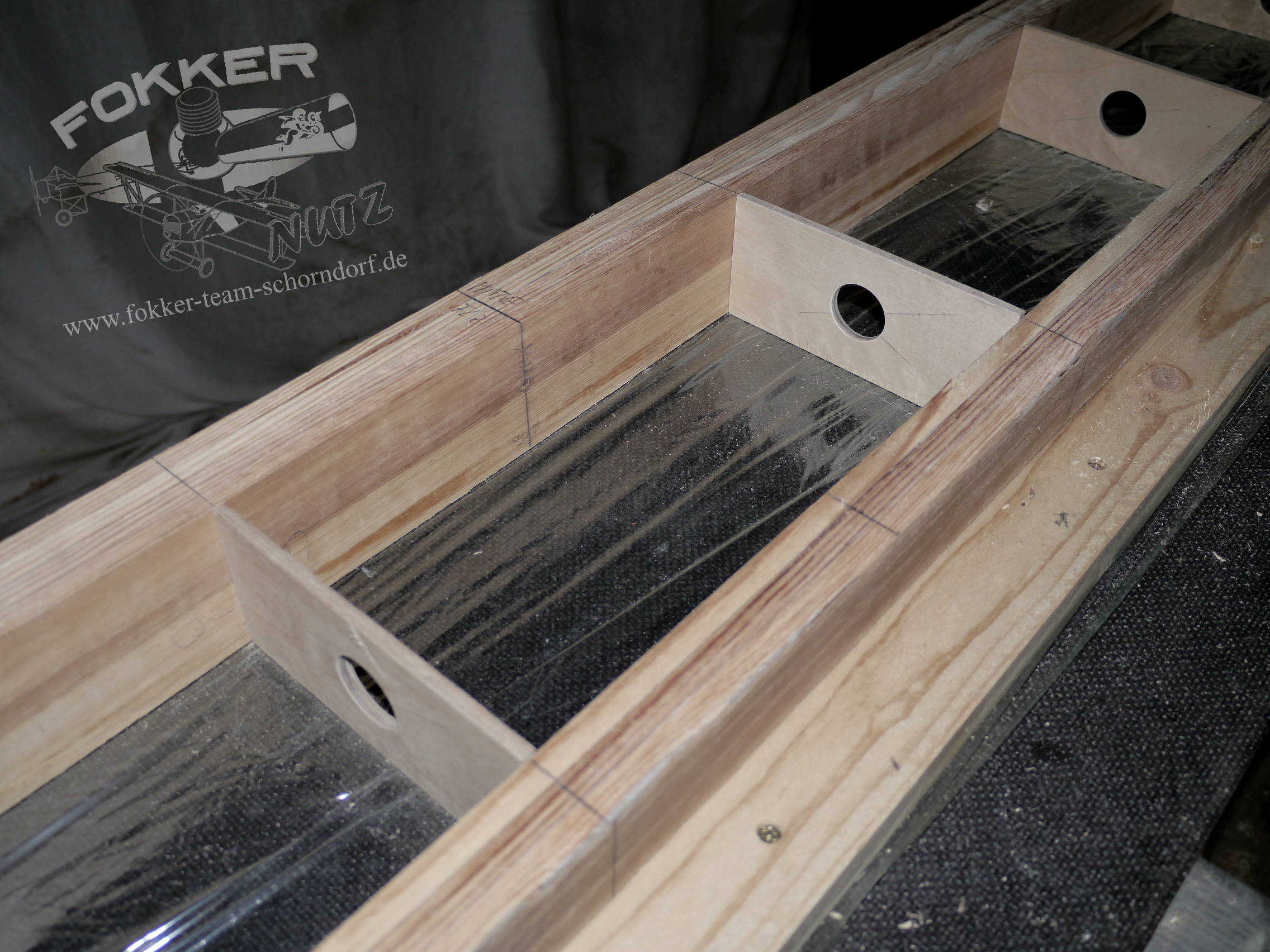
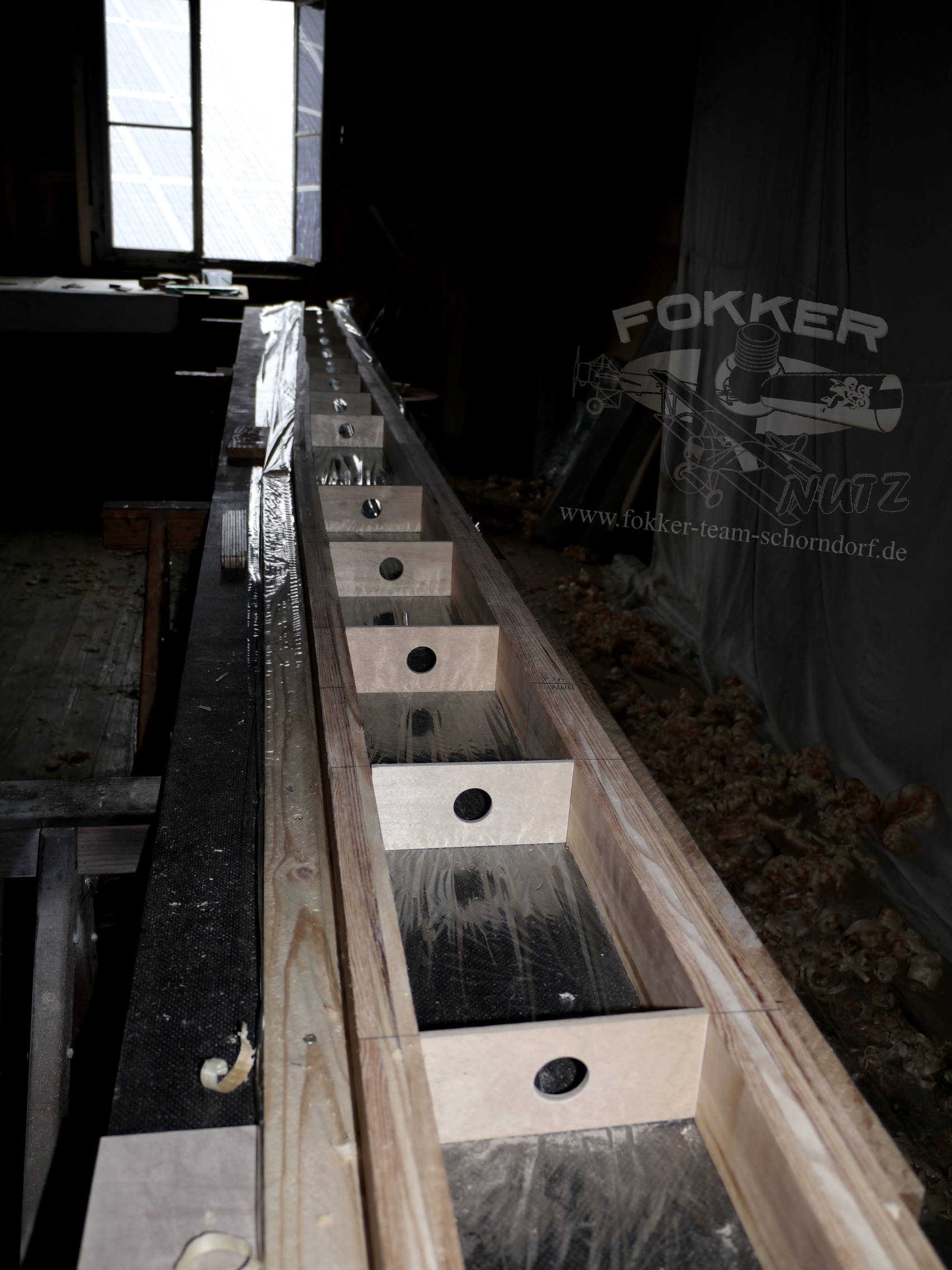
22nd of September 2020:
As many of you may know, my dear Alexandra passed away a few months ago. At that time we were in the middle of the creation of our new book about the Fokker D.VII in our "In Detail" series. She was very fond of the project and wanted to see it, but this did not happen.
There is still lots of work to do, but I will now resume work on it. Volume 1 is almost complete and proofread. This volume deals with the structurel details of the various aircraft of the type I built.
Volume 2 may still take some time since my interest is to work out all the historic data we have collected over the past decates and to show all the historic details of it´s development.
September 21st 2020::
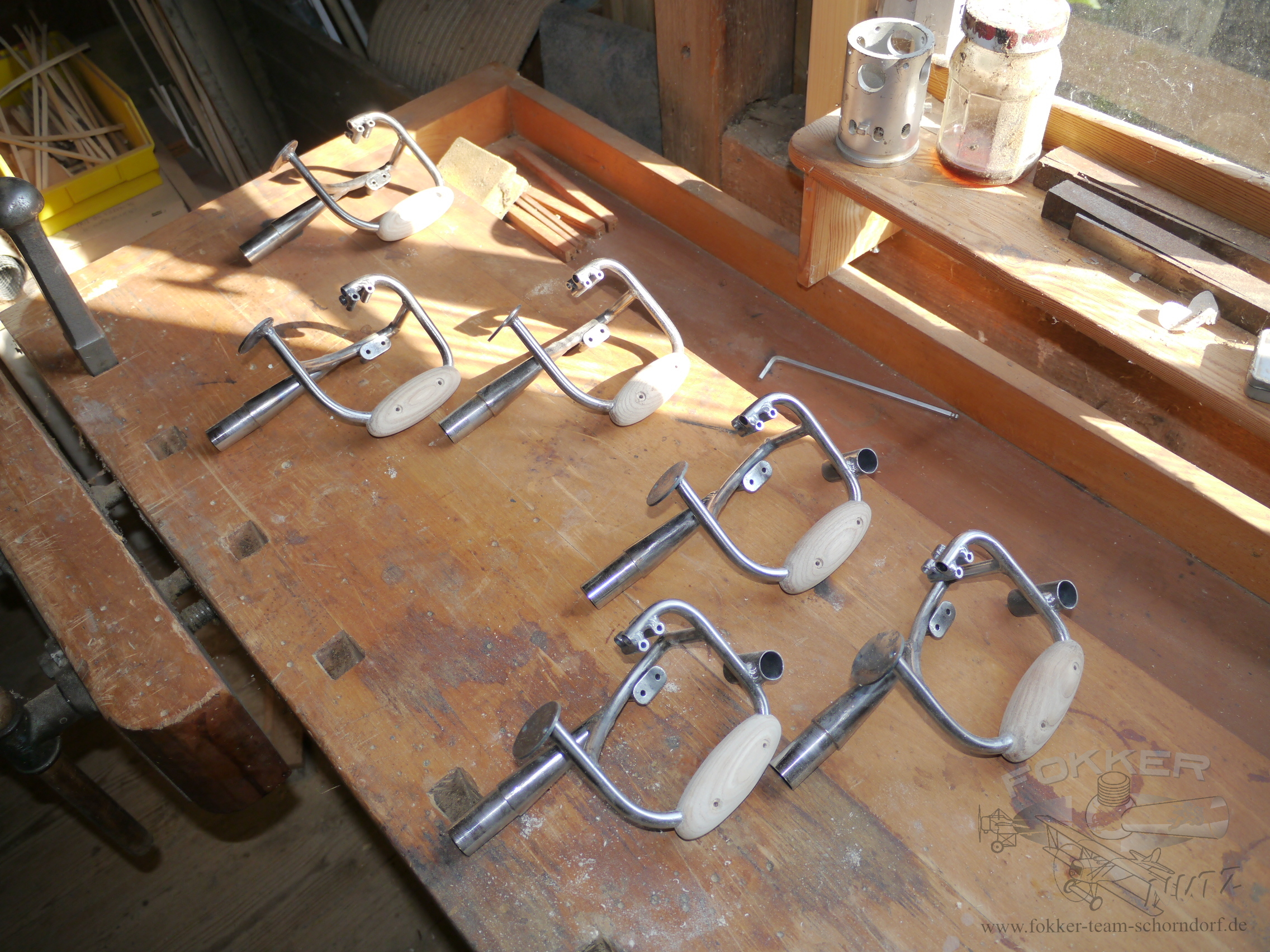
Riveting wooden handles to the steel tube structures of Fokker control grips. This style of grip was used with the very late Dr.Is, the D.VI and the D.VIII as well as with very few very early Fokker D.VIIs.
Fokker-Team-Schorndorf offers some of these for sale/trade. Only as long as they are available. Of the five of each in the making one of each is already gone.
.jpg)
19th of September 2020:
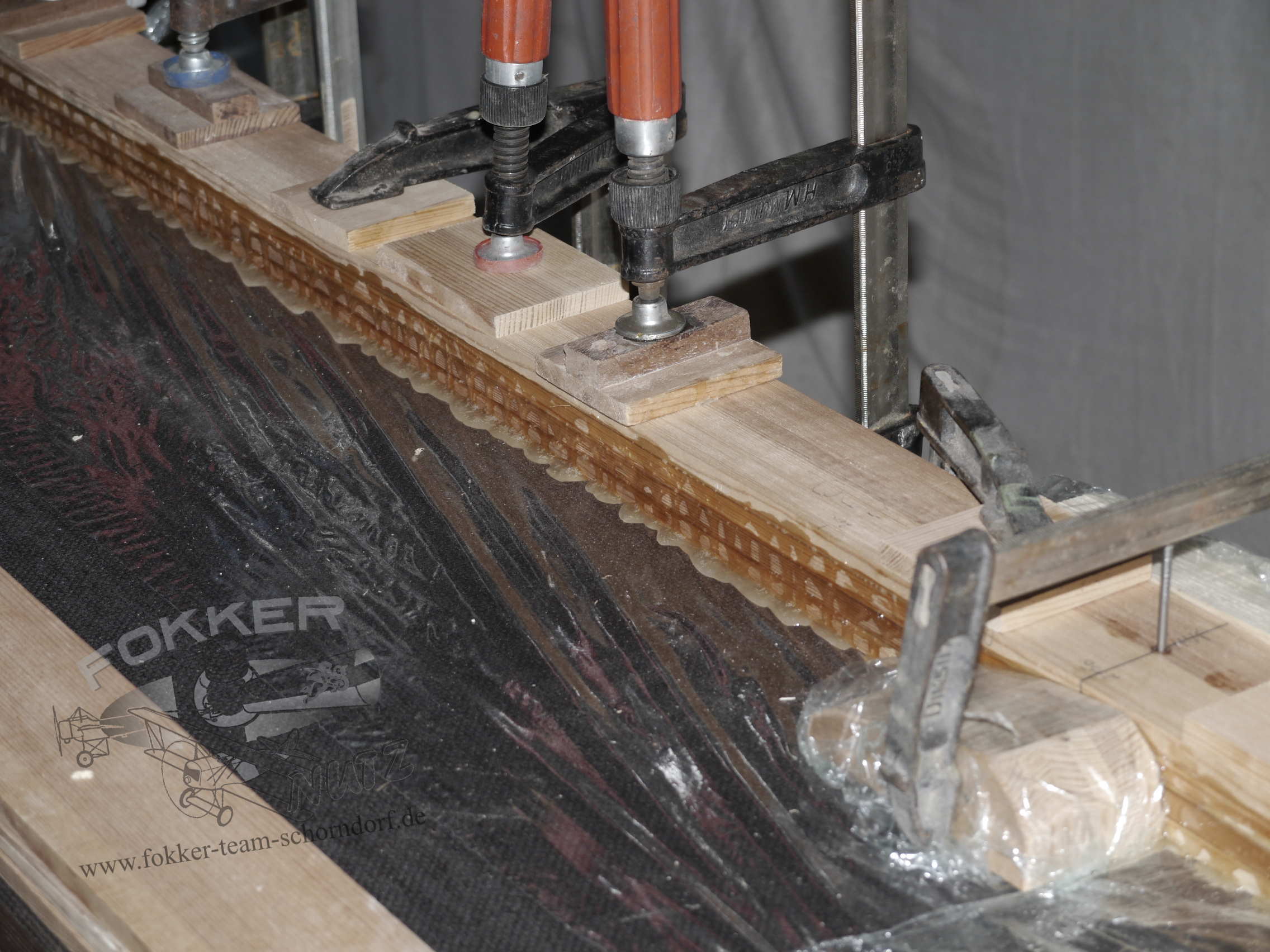
I am laminating the wing spar main beams for the front spar of the Upper wing of my reproduction of Fokker D.VII 228/18.
16th of September 2020:
Current work: All ribs for the new Engels E.6 (Fokker D.VIII) are done. This airplane is available for a trade. In case of interest contact me.
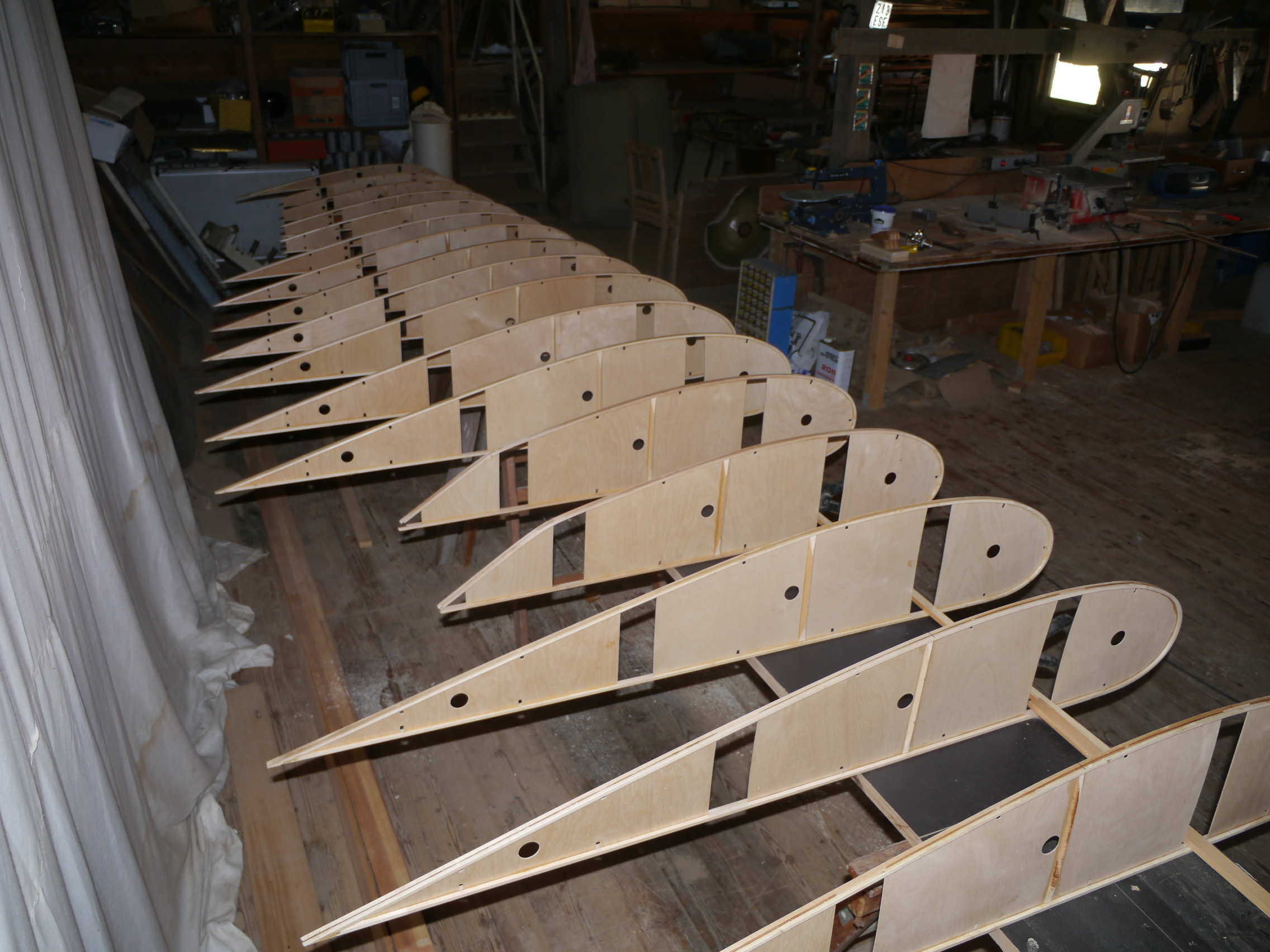
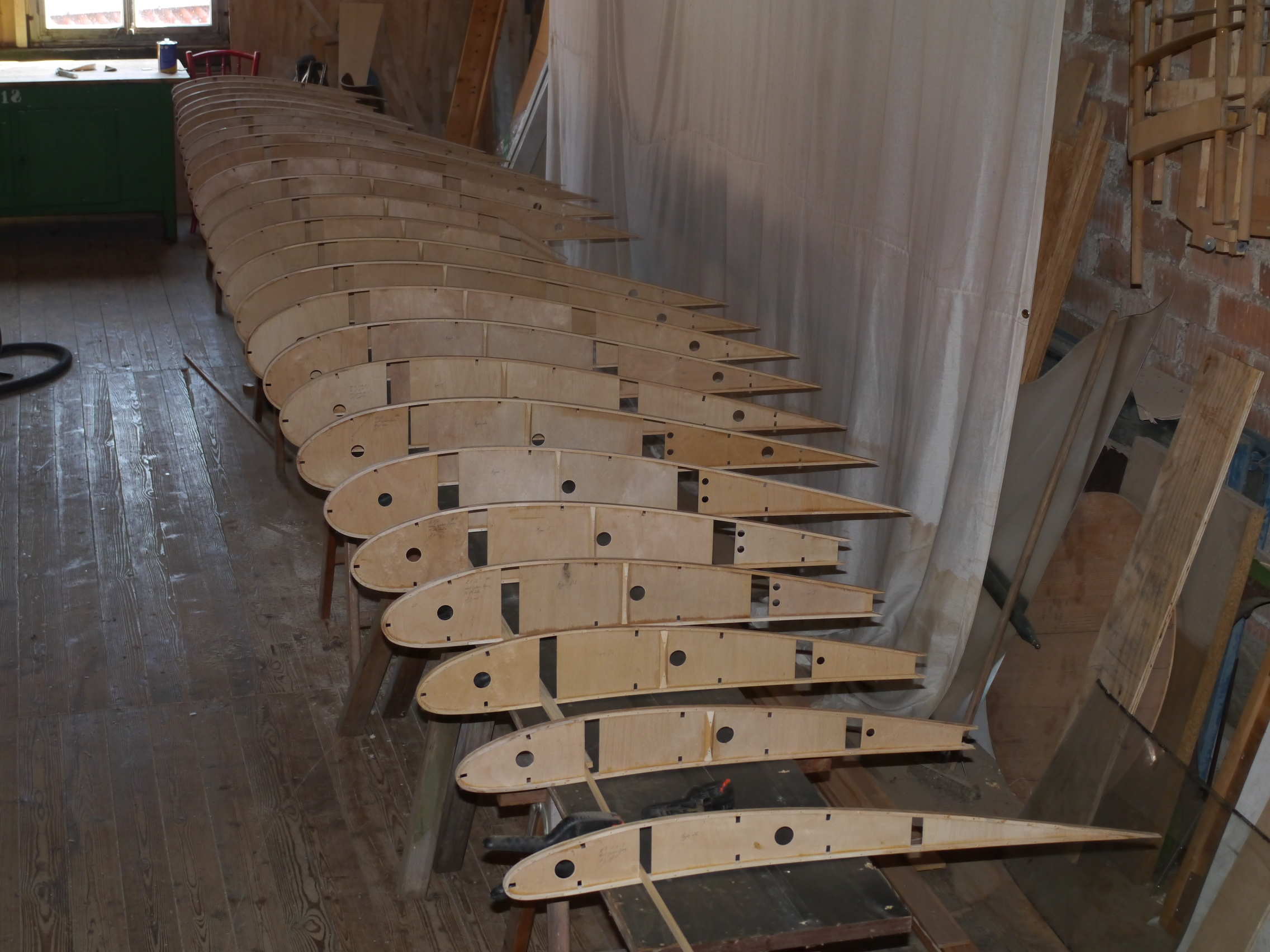
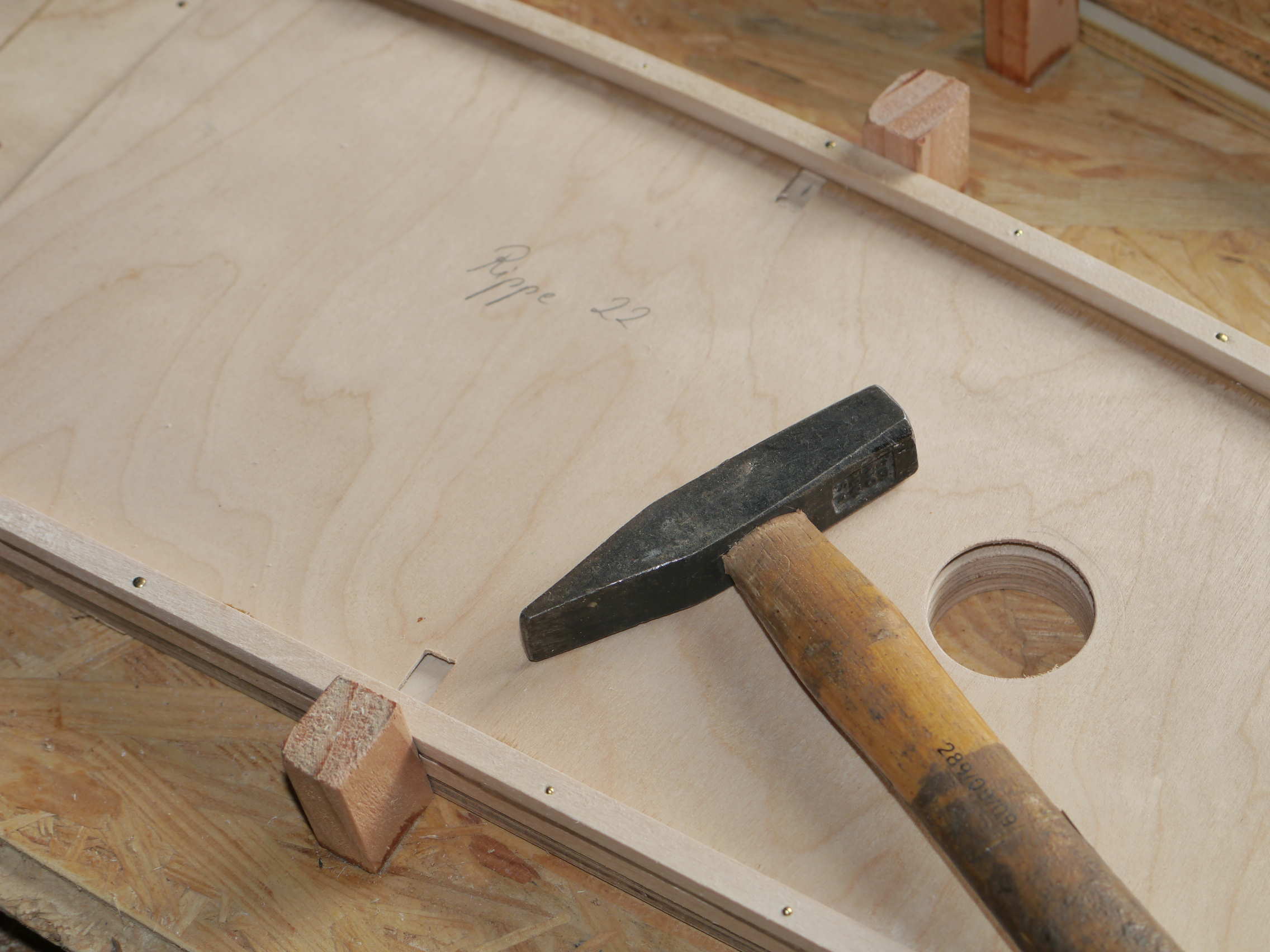
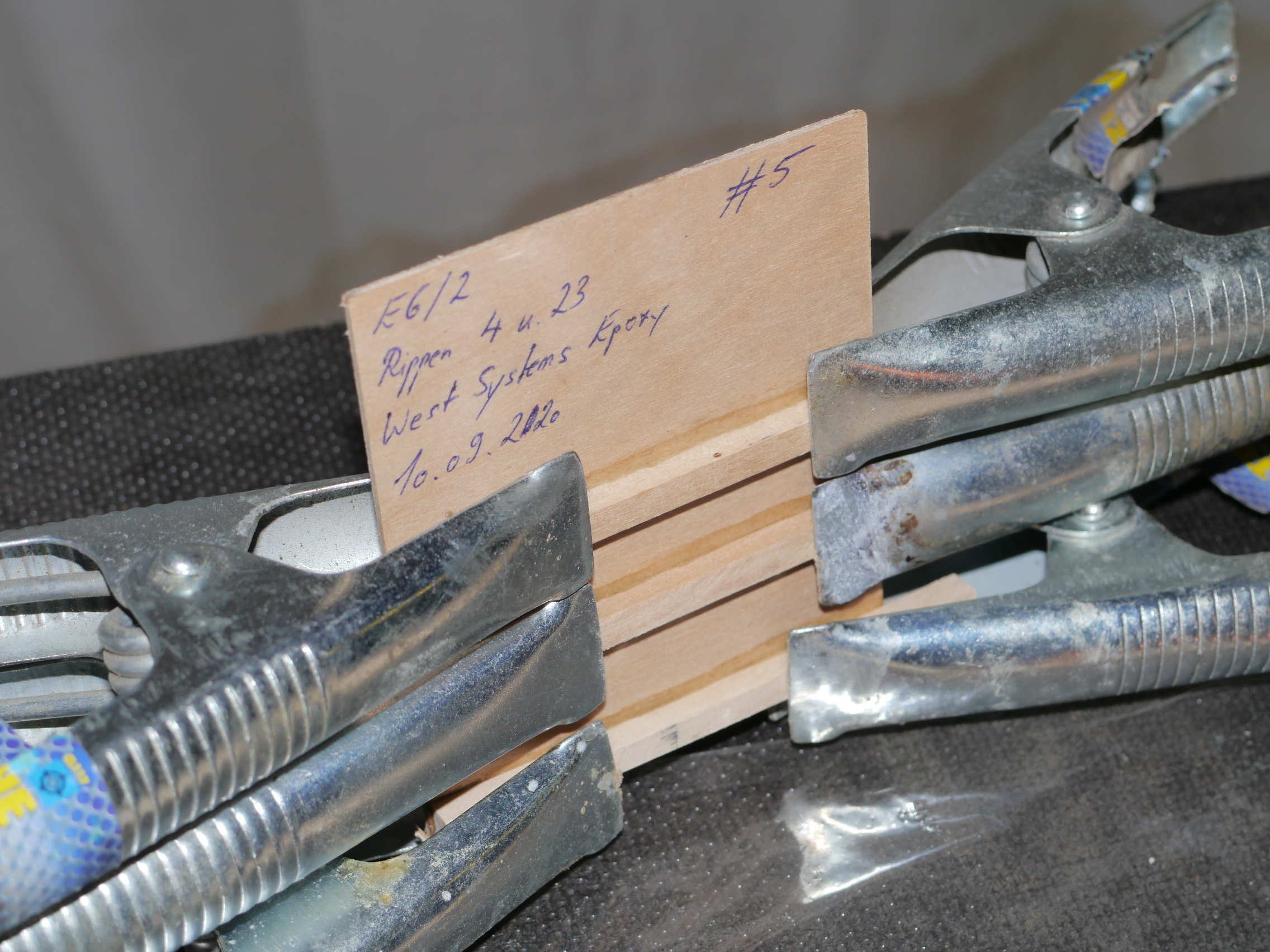
All steps are recorded properly and glueing samples are made for a future registration of the project.
10th of September 2020:
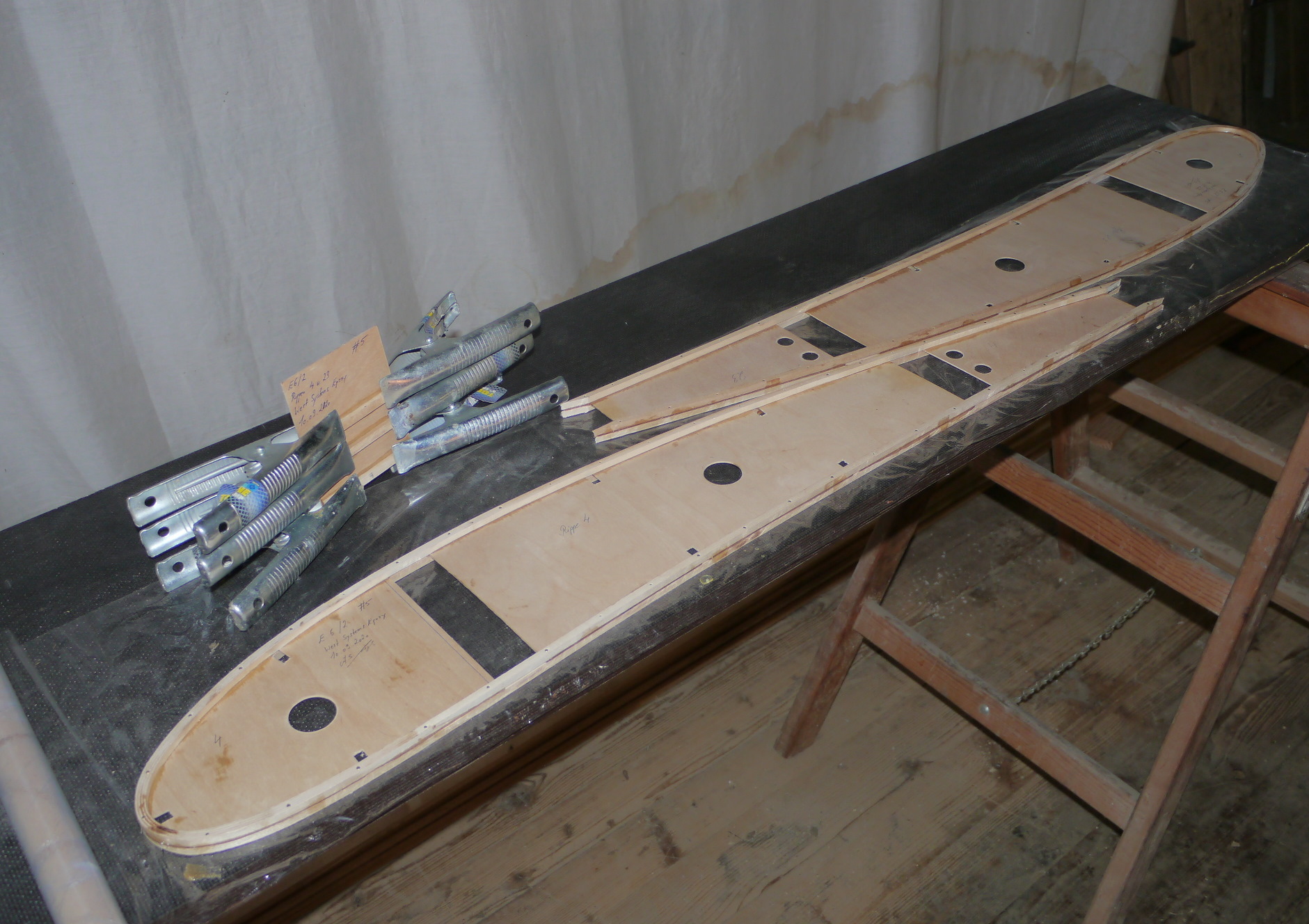
Current work: Building of wing ribs for the Engels E.6 (Fokker D.VIII). Click on the image to see the whole project on Facebook
7th of September
2020:
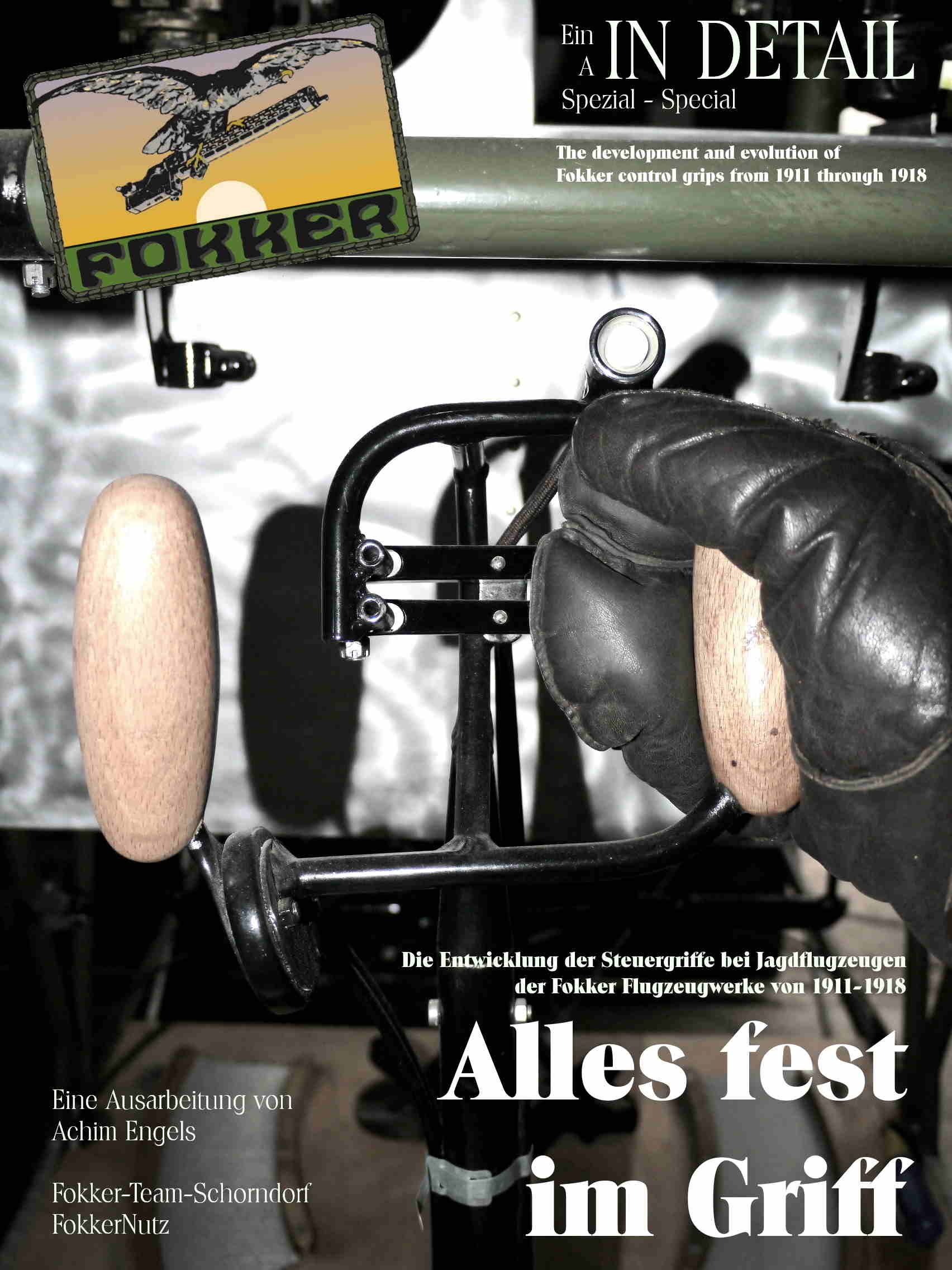
My latest work is now available. It details the development and evolution of control coloumn grips of Fokker fighter aircraft up to 1918.
This si the very first time in over 100 years that anybody takes care of this topic, and this although it is quite of interest.
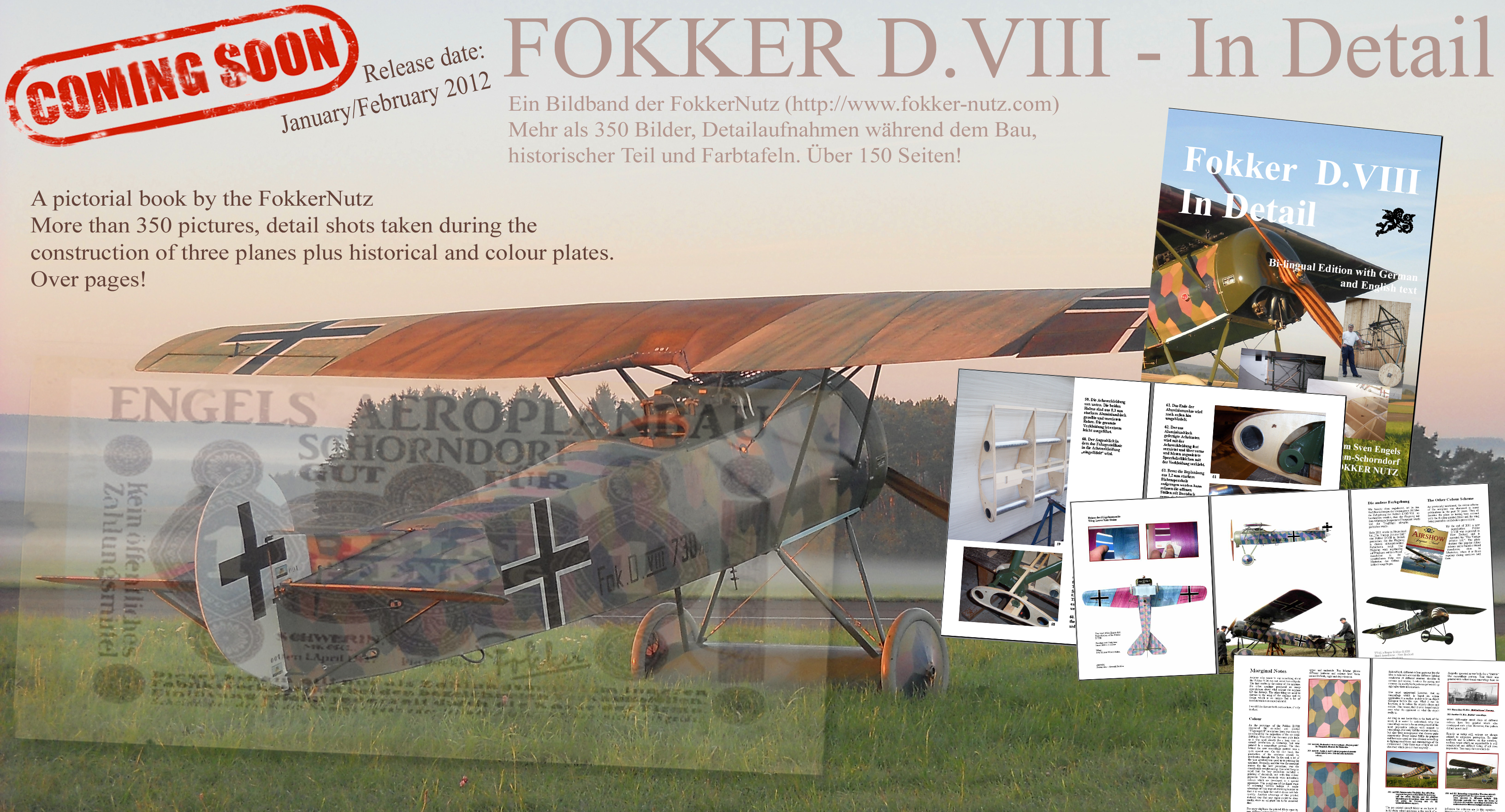
"Fokker D.VIII - In Detail"
Now
availiable
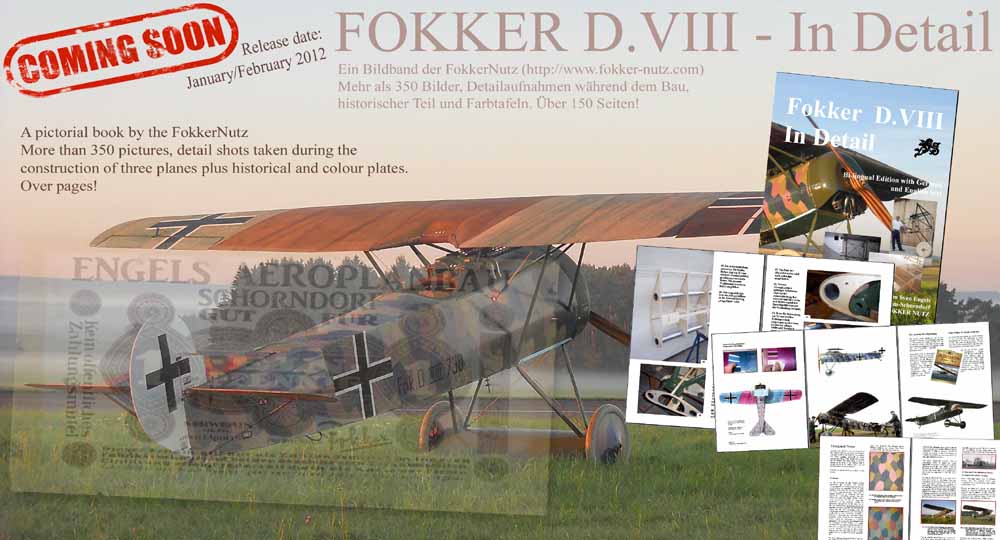
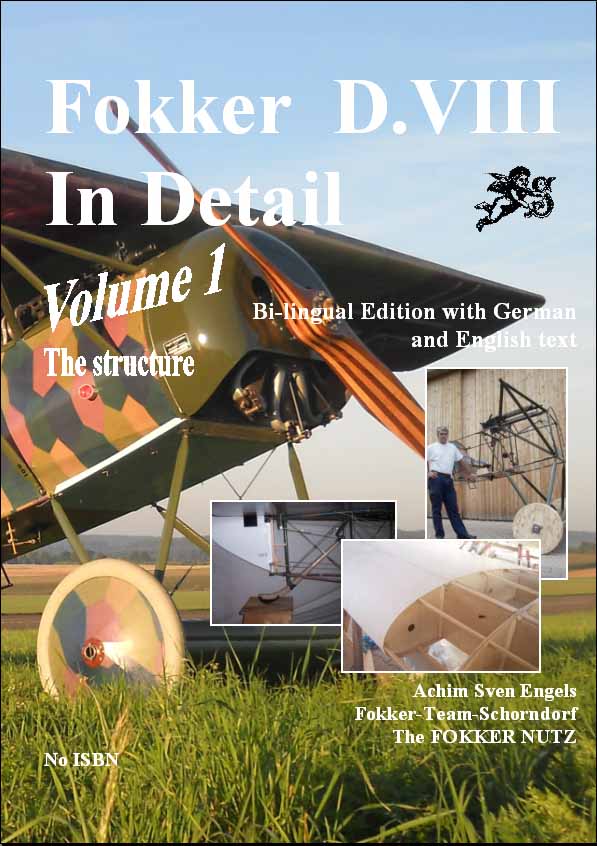
Volume 1 - The structure
278 Fotos auf 120 Seiten.
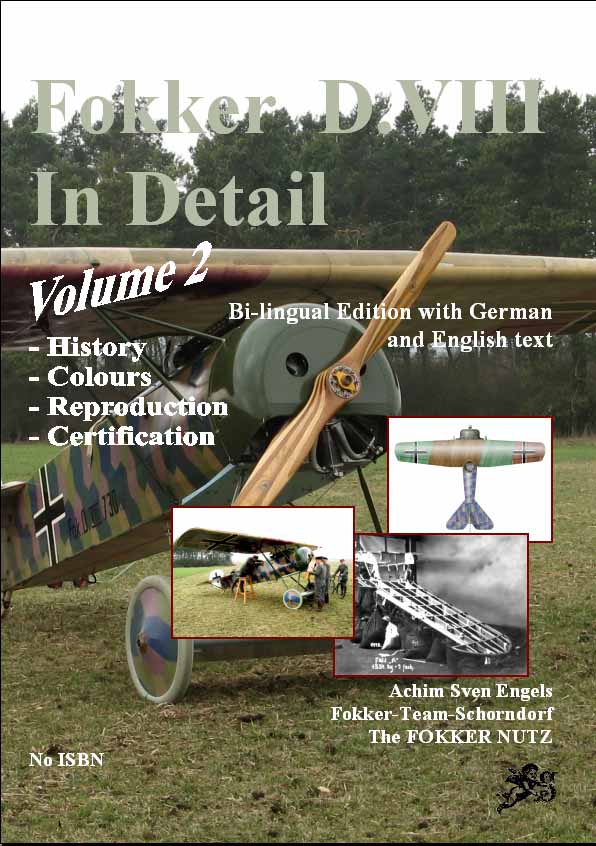
Volume 2 - history, colour schemes, reproduction, certification...
80 Photographs, history text, colour plates, use... ... 60 pages.
Both books appear as downloadable files. The quality is much improoved
over previous releases in the same series.
missed some back news?